Recalibrating Gratitude


I sometimes catch myself being ungrateful.
Not in a loud, stomping-my-feet kind of way. Not in a way that would be obvious to anyone watching. But in the quiet way where I start overlooking what’s good and fixating only on what’s wrong.
The past few months have been particularly rough — financially, emotionally, physically. I still don’t have real answers about the left flank pain, though it has improved, and for that I am thankful. The heart issues? They seem to have been a fluke… or maybe a warning shot across the bow. Either way, my heart is strong, my blood pressure has normalized, and that is no small gift.
Emotionally and physically, though? It’s felt like one of those rickety carnival rides — the kind that jerks you around without warning. Up, down, sideways, spinning just fast enough to make you question your equilibrium.
And somewhere in the middle of all that, I caught myself.
Not focusing on solutions. Not leaning into my usual “everything is figure-outable” mantra. Not scanning for silver linings or mapping out next steps.
I was wallowing.
And honestly? That’s not like me at all.
I’m the one who finds the bright side. I’m the one who reframes. I’m the one who says, “Okay, this is hard — now what are we going to do about it?”
But even the strong ones get tired. Even the optimistic ones have days where the weight feels heavier than usual.
So I did what I know to do when I feel myself drifting off course.
I recalibrated.
I carved out a little time each day to be alone. To reflect. To sit with my life and my circumstances without judgment. And somewhere in that quiet, I found something steady again.
Gratitude.
Not the fluffy, hashtag kind. The grounded kind. The kind that says: I am still here.
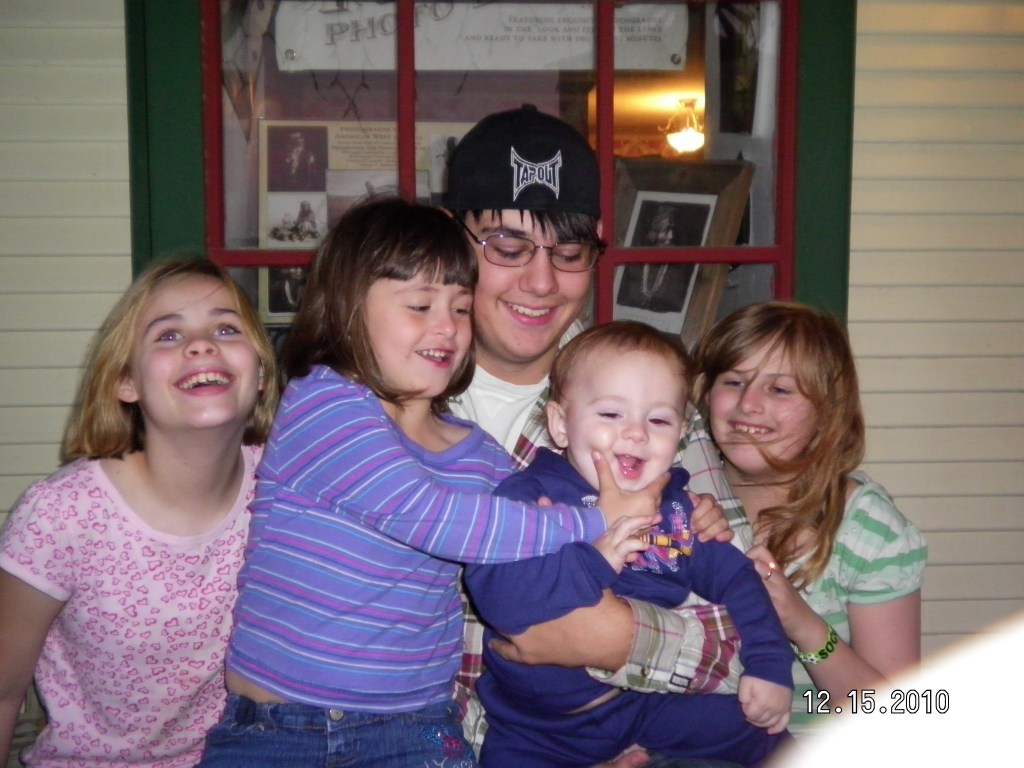
I am still able to spend time with my mostly grown kids.
I get to hear my sweet Aubree call me “Grand-ma-ma!”
I get to feel Charlotte slip her little hand into mine and lean in for a forehead kiss.
That is not small. That is everything.
I am fortunate. I am blessed. Even on the bad days. Even when the money feels tight. Even when my body feels unpredictable. Even when I have a moment (or two) of wallowing.
Gratitude doesn’t mean pretending things aren’t hard. It means refusing to let the hard things be the only things I see.
Perspective, y’all.
If you are weary, you are not alone. If you’ve been riding your own version of a bad carnival ride, I see you. But take a moment. Look around. Find one thing — just one — that anchors you back to what’s still good.
Recalibrate.
Because bitterness is heavy. Despair is suffocating. But gratitude? Gratitude steadies the ride.
We’ve got this.
Love and light, folks.

Becoming and Unbecoming

2026 has already been a doozy.
We welcomed January with a whole host of breaks—some expected, some not. Now we’re stepping into February, and the old groundhog has seen his shadow. Six more weeks of winter, and honestly? I’m not mad about it.
I prefer cooler temperatures. Always have. But the darkness—sometimes that gets to me. Not in a seasonal depression kind of way, more like a please give me a little more daylight so I can get things done kind of way. Still, this in-between season matters. Transition always does.
Maybe that’s why this time feels so significant—because I am transitioning too.
I’m becoming a better version of myself. A more complete self. One who is no longer trying to mask big feelings or tuck disappointments neatly out of sight for the comfort of others. I am becoming more. And if I’m too loud, too much, too intense for some people—as Elyse Myers so perfectly put it—“Go find less.”
I will happily apologize for past wrongs, for mistakes I’ve made, for moments where I fell short. But I will not apologize for being myself. If that means some people fall away, I will let them. I’ll grieve a little—because loss is still loss—but I also understand now that not everyone is meant to go where I’m headed.
This season is about becoming and unbecoming.
Letting go of what no longer fits.
Shedding versions of myself that were built for survival, not peace.
I will always fiercely defend my children and my chosen family. That part of me is immovable. But I am no longer clinging to blood ties simply because they exist. Those ties have been complicated—heavy—and loyalty owed solely to blood has caused me deep harm. I’m untangling that now. I’m lowering my expectations of people who have shown me, repeatedly, who they are.
And here’s the quiet power in that:
What I’m building next—what’s coming for me—cannot be touched or taken. It will be mine. And it will become a legacy for the family I created, not the one I was born into.
Winter can linger a little longer.
So can this becoming.
I’m not rushing it.

Winter blues

Winter, Short Days, and the Quiet Weight They Carry

*What the darker season does to our moods—and what nature gently teaches us in return*

Winter has a way of sneaking up on us.

One day the light lingers into the evening, and the next it feels like darkness settles in before dinner is even started. The days shrink. The air sharpens. Schedules remain the same, but our energy quietly changes. For many people, winter is not just a season—it’s a shift in mood, motivation, and mental health.

And for some, it’s really hard.

Why Winter Can Affect Our Moods

There’s a very real, biological reason winter feels heavier for many of us. Shorter days mean less exposure to sunlight, which directly affects how our brains function.

Sunlight helps regulate:

* **Serotonin**, a neurotransmitter that stabilizes mood and promotes feelings of well-being
* **Melatonin**, the hormone that controls sleep cycles
* **Circadian rhythms**, our internal clock that tells us when to wake, sleep, eat, and rest

When daylight decreases, serotonin levels can drop while melatonin production increases—leading to fatigue, low mood, disrupted sleep, and a sense of emotional fog.

For some people, this shows up as:

* Low energy or constant tiredness
* Difficulty concentrating
* Increased irritability or sadness
* Wanting to withdraw socially
* Changes in appetite (often cravings for carbs and comfort foods)

For others, it can be more intense and clinical, known as **Seasonal Affective Disorder (SAD)**. But even without a diagnosis, many people feel the winter blues deeply and personally.

And here’s the part that matters most: **struggling in winter doesn’t mean you’re weak or ungrateful or failing at life.** It means you’re human.

The Emotional Toll of Shorter Days

Beyond biology, winter brings a psychological shift.

The world feels quieter. Social plans slow down. Cold weather limits movement and spontaneity. We spend more time indoors, often alone with our thoughts. If you’re already navigating grief, stress, loneliness, or burnout, winter can amplify those feelings.

There’s also pressure—spoken and unspoken—to “push through” as if productivity should remain unchanged year-round. But humans were never meant to operate at full speed in every season.

Nature certainly doesn’t.

Ways to Cope When Winter Feels Heavy

Coping with winter isn’t about forcing happiness or pretending the darkness doesn’t exist. It’s about **meeting yourself where you are** and making small, supportive adjustments.

Here are some ways to soften the season:

**1. Seek light intentionally**
Open curtains as soon as you wake up. Step outside during daylight, even if it’s cold. Consider a light therapy lamp if winter hits you hard—many people find real relief with consistent use.

**2. Adjust expectations, not just schedules**
Winter is not the time to demand peak performance. It’s okay to slow down, simplify, and rest more. Productivity doesn’t have to look the same in January as it does in July.

**3. Keep your body moving gently**
Movement helps regulate mood, but it doesn’t need to be intense. Walks, stretching, yoga, or even dancing in your kitchen count. Consistency matters more than intensity.

**4. Protect your sleep**
Short days can disrupt sleep patterns. Try to keep regular sleep and wake times, limit late-night scrolling, and create a calming evening routine that signals your body it’s time to rest.

**5. Stay connected, even when you want to isolate**
Winter can make withdrawal tempting. Gentle connection—texts, phone calls, coffee with a trusted person—can make a huge difference. You don’t need big social events, just meaningful touchpoints.

**6. Nourish yourself intentionally**
Craving comfort foods is normal in winter. Balance them with meals that include protein, healthy fats, and warm vegetables. Warm, nourishing foods are grounding for both body and mind.

**7. Name what you’re feeling**
Sometimes the hardest part is pretending we’re fine. Saying “winter is hard for me” is not complaining—it’s honest. Naming it often reduces its power.

What Nature Teaches Us About Seasons

Nature does not fight winter.

Trees don’t cling desperately to leaves that no longer serve them. Animals don’t shame themselves for hibernating. The earth rests—quietly, purposefully—trusting that growth will return.

Winter exists for a reason.

It is a season of:

* **Rest**
* **Reflection**
* **Conservation of energy**
* **Invisible preparation**

Beneath frozen ground, roots are strengthening. Seeds are waiting. Nothing looks productive on the surface, but essential work is happening out of sight.

Humans are part of nature, even if modern life tries to convince us otherwise. When winter asks us to slow down, it isn’t punishing us—it’s inviting us to listen.

Lessons We Can Carry Forward

Winter reminds us that:

* Rest is not laziness
* Stillness has value
* Darkness does not mean permanence
* Growth does not always look loud or visible

It teaches patience. It teaches compassion—for ourselves and others. It teaches that survival itself is enough some days.

And perhaps most importantly, winter teaches us that **every season passes**. The light does return. The days lengthen. Energy slowly resurfaces. What felt unbearable becomes survivable—and then softer.

A Gentle Closing Thought

If winter is hard for you, you are not broken.

You are responding exactly as a sensitive, thoughtful human might to a season that asks a lot while giving less light. Honor where you are. Take what you need. Learn from the quiet without judging yourself for it.

Spring will come.
But until then, resting is allowed.

The Realities of Family Bonds


Family Is Complicated

My husband recently asked me to write a blog post about him—more specifically, about the very different families we came from. The conversation that sparked it was lighthearted at first, one of those “what if” discussions that start as fun and end up revealing something much deeper.

We were talking about winning the lottery. A huge sum. Life-changing money. And the question was simple: Who would we invite to ride with us on a party bus to go collect our winnings?

On the surface, the answer seems obvious—siblings, their spouses, our kids. The people closest to us. But then the real question emerged:
Who would be there simply to be happy for us… and who would be there because they think they might get something out of it?

That’s where the differences between our families became impossible to ignore.

My husband is one of five siblings, just like me. His family relationships are… complicated. His youngest sister is someone I never want to share oxygen with again—ever. That bridge isn’t just burned; it’s gone. His older sister and her husband, though, are genuinely good humans. Even when we don’t agree, I love them. They are kind, decent people.

His two brothers are also good people—but I don’t think they’d appreciate the invitation, nor would they accept it under the simple premise of come and celebrate with us. That kind of uncomplicated joy isn’t really how things work in his family.

My family, on the other hand? They’d be there—all of them.

All of my kids and their significant others.Nephews, nieces. My older sister, my brother, my two other sisters, and their spouses. Not because they expect anything, but because that’s how my family has always been. Through good times and bad, joy and grief, stability and chaos—they’ve shown up. Emotionally. Financially. In the best ways they can and know how.

And I’ll admit—I take that for granted sometimes.

Moments like this remind me that not everyone grows up with that kind of family. Not everyone has people who love them even when they aren’t very lovable. Not everyone has a safe place to land.

My husband’s family is very different. Relationships are strained. There’s a lot of water under the bridge, and I don’t think anyone really knows how to fix it—or if they even want to. For me, at least where the youngest sister is concerned, reconciliation isn’t on the table.

What hurts the most for my husband isn’t just angry words or apologies that went nowhere. It’s what he sees as deliberate exclusion—certain children left out by their own parents, “family” events that don’t include all of the family.

The last time everyone was invited to something was his dad’s 70th birthday. He’s 76 now.

Something changed. No one will explain why. And it hurts.

He’s asked his older siblings. He’s tried to understand. He’s no longer speaking to his parents. And while time has passed, the wound hasn’t healed.

I remember one particularly difficult season. He called his mother, needing to talk, needing comfort. She said, “I don’t want to hear it.”
I heard it. From her own mouth.
And it broke my heart.

That was four years ago. Things aren’t much better now.

Family is complicated. It’s messy. But it should be the place you go when things fall apart. It should be the place where you can ask for help, an ear, a shoulder. For my husband, it hasn’t been that.

I am one of five.
My husband is one of five.
We came together nearly ten years ago—baggage and all.

I am deeply grateful for the family I came from. I love them. I’m proud of them. I’m grateful for the family I’ve created too—five humans I gave birth to and two I claim as my own. They are good, decent people, and I know they will look out for one another long after I’m gone.

My husband, even after all this time—after being welcomed and accepted into my family long ago—still struggles with the contrast. Sometimes he’s in awe of the relationships I have with my siblings. Sometimes, I think he’s a little envious.

And honestly? I get it.

Because while he didn’t come from that kind of family, he does have one now. They love him. They root for him. They pray for him. And that matters—even if it doesn’t erase the damage from where he came from.

So if we ever win the lottery?

T and T can ride the party bus with us. All of my family can ride along too, fly my girls and their guys in to make the trip with us, maybe include Curtis and Shelly and just roll out and have fun together. 

The rest can hear about it after the fact and wonder why they didn’t get an invite.

Family is complicated.

Love and Light. Hang tight.

The Becoming : Pride in the midst of chaos

Both Things Can Be True

This past week felt like a culmination of so many moments for my niece.

She is my older sister’s only child, and she is truly a gem of a human—kind, smart, hardworking, and quick with a perfectly timed sassy comeback when the moment calls for it. It’s her senior year, and with that comes all the lasts of high school, not just for her, but for her mom too. Anyone who has parented a senior knows those endings hit in unexpected ways.

My niece is a 4-H and FFA gal, a band kid, and a Girl Scout. Through these programs she has learned responsibility, leadership, grit, creativity, and how to show up even when things are hard. I am so incredibly proud of her accomplishments. At her last county show, she earned Reserve Champion with pickled beets (yes—pickled beets!), and her market broilers made the sale. Those are not small wins. They are the result of years of early mornings, late nights, dirty boots, careful planning, and persistence.

Another “last” arrived quietly when I had the chance to talk with my sister about what comes next for her baby—her everything. And make no mistake, this kid has options. Several schools have already accepted her, and some came with scholarship packages. That is huge. That is exciting. That is the payoff for all those years of busyness and commitment.

It sent me straight back in time to my own years as a mom with kids who showed. The careful choosing of recipes. The guarding of certain ones like state secrets (banana butter, I’m looking at you). The pride of watching your kids take ownership of their work. Even my two older daughters—without any guidance from me—entered items and won prizes. There is something deeply satisfying about watching your children surprise you with who they are becoming.

All of that nostalgia, love, and pride has been swirling around me this week… while my own life looks a bit like a shit show.

Our water heater quit and is limping along on a temporary fix after days without hot water. I’m dealing with a kidney infection and a pharmacy run that couldn’t come soon enough. Our car is broken down and has a flat tire. My husband had a job lined up, attended orientation, only to be told days later that the position had already been filled. And just to round things out, I sliced my fingers open trying to pry a tin can (yes, I absolutely should know better), which earned me an ER visit, a tetanus shot, glued fingers, a wrapped thumb, and the loss of a good portion of my thumb pad. Goodbye thumbprint.

And yet—both things can be true.

I can feel immense love and pride for my niece and her accomplishments while my own world feels messy, loud, painful, and frustrating. I won’t fall into woe is me. This is my life. It is complicated and exhausting and sometimes downright ridiculous. There are days I want to strangle someone (figuratively… mostly). But then there are days when I glance in the rearview mirror and realize how far I’ve come.

I’ve survived every single thing I thought would break me.
That survival rate? 100%.

Am I the same person I once was? Absolutely not. But isn’t that the point? Life is about the becoming. About collecting skills, wisdom, scars, and stories. About learning how to stand back up. About making the world a little better where we can—just like my lovely niece is already doing.

And yes, you’d better believe I can still recite the 4-H pledge, parts of the FFA Creed, and the Girl Scout Promise.

Here’s to the becoming in 2026.
Love and light, y’all 🕯️