Navigating Grief: Lessons from a Year Without Audra

Coping with Grief: A Year Without Audra

It’s been nearly a year now—a year since Audra passed. It was a Wednesday. We had already spoken twice that morning, talking about life, laughing about how much she hated Walmart and self-checkouts. Then my phone rang again. This time, it was different. “I don’t feel right,” she said. “Bring the blood pressure cuff.”

It was Spring Break, and I was home, not teaching. I ran next door, frantic, to find her slurring her words, sweet little Hayden trying to help Moomoo. Her blood pressure was too high. I called 911. She started throwing up. By the time the paramedics arrived, she was somewhat coherent. I had gotten Hunter and Nick there. Thomas was on the phone. It was bad.

By the time they loaded her into the ambulance, I saw it—Hunter saw it. The drooping side of her face. We knew. But we held onto hope. Strokes can be survived. Audra was tough and ornery. She could pull through. But it all happened so fast. Some days, the scene replays in my head. Some nights, it haunts my dreams.

I visited her in the hospital. Thomas said the prognosis was grim. We knew. She knew. She had made it clear she never wanted machines to keep her alive if there was no real quality of life. And so, we waited. We grieved even before she was gone. And then, she slipped away.

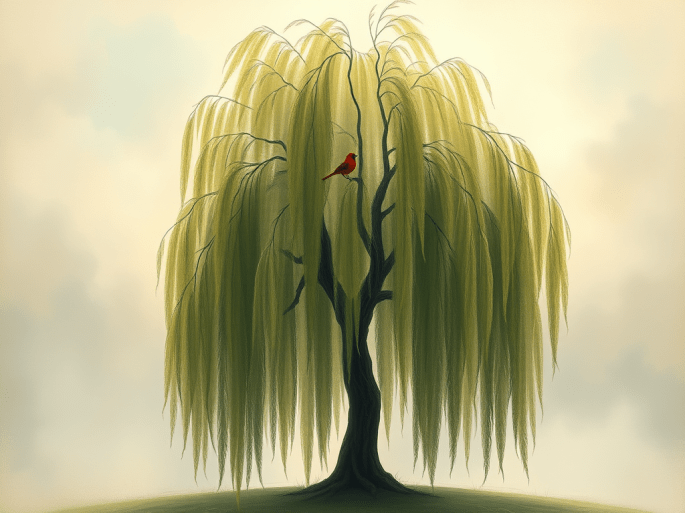
Now, nearly a year later, everything has changed, and yet, nothing has. I haven’t stepped foot next door since her memorial service. I see her willow tree—the one thing her black thumb didn’t kill. Some days, it makes me smile. Other days, it makes me cry. She should still be here. She should be helping Nick with his schoolwork, swapping recipes with me, planning our gardens together. But she isn’t. And as March 18th approaches, the weight of her absence grows heavier.

She was more than a friend. She was my sister in every way except blood. My confidante, my reality check, my protector. And now, she’s gone. There’s no one to fill her shoes. The grief is raw. The reality of outliving those we love is a harsh lesson, one I’ve always known but never fully embraced: No one is promised another day.

Finding Ways to Cope

Grief is a journey, not a destination. It changes shape but never fully disappears. If you’re walking this path, too, here are some ways to navigate the pain:

1. Allow Yourself to Feel There is no timeline for grief. Some days, you’ll laugh at a memory. Other days, the pain will take your breath away. Let it. Don’t rush healing. There’s no right or wrong way to grieve.

2. Honor Their Memory Find ways to keep their spirit alive. Cook their favorite meal. Plant something in their honor. Share their stories. Audra’s willow tree reminds me that she was here, that she mattered.

3. Lean on Your People Grief can feel isolating, but you don’t have to carry it alone. Talk to someone who understands. Share your pain, your memories, your love. Let others support you.

4. Find Purpose in the Pain Loss has a way of reshaping our priorities. I choose to love more fiercely, forgive more freely, and live more intentionally. Life is too short to do more damage.

5. Give Yourself Grace There’s no “moving on,” only moving forward. Some days will be harder than others. That’s okay. Be patient with yourself.

Grief is love with nowhere to go. And in that love, Audra remains. She may not be here to call me and tell me to snap out of it, but I hear her voice in my heart. I honor her by living, by loving, by carrying her with me in all the ways that matter.

And if there was a phone line to heaven, I know she’d be on my butt about it.

The Weight of Empathy: Finding Balance in a Painful World

I oopsidentally published this on the wrong site Thursday. Check back Monday for more insight into the path I am on….Love and light ❤

Cautiously Optimistic: Navigating the Weight of Others’ Pain

I’ve often described myself as a cautiously optimistic person. It’s a way of being that helps me face the challenges of life with hope but without completely abandoning my awareness of how fragile things can be. I try to hold on to the belief that things will get better, that there is light at the end of every dark tunnel. Yet, beneath this cautious optimism is something much deeper—an empathy that can feel all-consuming. I feel everything, and when I say everything, I mean everything.

It’s as if my heart is finely attuned to the pain of the world. When I see someone struggling, whether it’s a close friend or a stranger, I feel their burden. I feel their sadness, their frustration, their fear. It’s hard to explain to those who don’t share this experience, but it’s almost as if I can physically feel their emotions in my own body. And with this heightened sense of empathy comes a natural desire to help. If I’m in, I’m all in. When someone I care about is hurting, I will do everything within my power to ease their pain. But here’s where the challenge lies: No matter how much I want to help, no matter how deeply I feel their suffering, I can’t fix everything.

And that’s the part that has become so difficult. Everywhere I go, I see people struggling. Whether it’s a friend facing a personal crisis, a family member dealing with loss, or a stranger encountering hardships I’ll never fully understand, it feels like there is a constant presence of pain in the world. It’s overwhelming at times. And as much as I want to be there for everyone, as much as I want to ease their suffering and show them that they are not alone, I feel a sense of helplessness that gnaws at me.

I think the hardest part is that the more I care, the more I absorb. I can’t turn off my empathy. When someone is hurting, I can’t just ignore it or pretend it doesn’t affect me. So, I carry these burdens with me. I hold space for others’ pain even when I have nothing left to give. This emotional weight becomes part of my daily existence, and sometimes, it feels like it’s a battle to simply get through the day without being overwhelmed.

Coping has become a process—a continuous, daily, and sometimes hourly, practice. I’ve learned to breathe through moments of heaviness, to step back and remind myself that it’s okay not to have all the answers. I’ve had to accept that my capacity to help is limited, that sometimes, the best thing I can offer is simply my presence, my listening ear, and my unwavering support. But that doesn’t always feel like enough. I want to do more—to take away the pain, to find a solution, to make it all better. The frustration of knowing that I can’t is, at times, unbearable.

But as I reflect on these feelings, I realize that my cautious optimism isn’t about ignoring the pain or pretending that everything is fine. It’s about holding space for hope, even in the face of suffering. It’s about recognizing that while I may not have the power to fix everything, I do have the ability to show up, to care, and to be a source of light in the lives of others.

The truth is, I may never be able to ease all of the burdens that I see around me, and that’s something I have to come to terms with. But I also believe that even the smallest acts of kindness, empathy, and support can make a difference. They may not erase the pain, but they can help carry it for a little while. And maybe, just maybe, that’s enough.

So, I’ll continue to navigate the world with this cautious optimism—holding space for the pain I encounter, but also holding space for the hope that one day, things will get better. I’ll keep doing what I can, even when it feels like it’s not enough, because I know that the journey of healing is a shared one. We may not always have the power to solve each other’s problems, but we can always choose to walk alongside each other, offering empathy, understanding, and love. And in the end, maybe that’s the most important thing we can do.

Navigating Online Conversations with Kindness

A Powerful Tool, A Costly Battlefield

The internet is one of the most powerful tools ever created. It connects people across the globe, provides access to endless knowledge, and enables communities to grow in ways that were once unimaginable. However, with its power comes responsibility—a responsibility many forget when they engage in conversations online, particularly on social media.

Social media has given everyone a voice, which is both a blessing and a curse. While it allows for the exchange of ideas, advocacy, and connection, it has also become a space where snap judgments, personal attacks, and unkind words are all too common. Many use the veil of online anonymity or distance to say things they would never express in person. The cost of kindness, however, remains the same: absolutely nothing.

The Rise of Online Hostility

The ease of instant communication has brought about an unfortunate trend: the rapid-fire delivery of opinions without thought or empathy. Platforms such as Twitter, Facebook, and Instagram have become battlegrounds where people aggressively defend their views, often at the expense of others. It is not uncommon to see heated arguments escalate into personal insults, with individuals tearing each other down over differences in opinion.

While passionate discussion is an essential part of free speech and progress, it crosses a line when it turns into hostility. The problem is not the expression of opinions, but the manner in which they are expressed. There is a significant difference between constructive criticism and a personal attack. Rather than engaging in meaningful debate, many resort to name-calling, shaming, or ridiculing others simply for having a different perspective.

The Hidden Struggles Behind the Screen

We must remember that behind every profile picture and username is a real person with real struggles. Many individuals are fighting battles we cannot see—whether it’s financial instability, mental health issues, job insecurity, or personal trauma. A single harsh comment may be the breaking point for someone who is already experiencing hardship. Words have weight, and thoughtless negativity only adds to the burden someone is carrying.

Online bullying and cyber harassment have real-world consequences. Studies have shown that negative online interactions contribute to increased stress, anxiety, and depression. Some individuals have even been driven to self-harm or suicide due to the relentless negativity they face online. It is crucial that we become more mindful of our digital interactions and recognize that our words can either uplift or destroy.

The Power of Scrolling Past and Choosing Kindness

One of the simplest yet most effective tools we have in the digital world is the ability to scroll past content we do not agree with. Not every post requires a response. We do not have to engage with every opinion that contradicts our own, especially if doing so will lead to hostility. The ability to disengage from negativity is a sign of wisdom, not weakness.

Choosing kindness does not mean we have to agree with everyone. It means expressing our thoughts in a way that is firm yet respectful. We can stand our ground, challenge harmful narratives, and engage in discussions without resorting to insults or cruelty. The most effective communicators are those who present their arguments with grace, intelligence, and empathy.

The True Cost of Online Cruelty

The cost of unkindness is much greater than we often realize. When we attack others online, we not only harm the person on the receiving end but also damage our own credibility. When discussions devolve into personal insults, the original point being made is often lost. People are far less likely to take seriously those who resort to aggressive tactics rather than thoughtful discourse.

Furthermore, toxic online environments discourage meaningful participation. When people witness hostility, they may become hesitant to share their thoughts, fearing they will become the next target. This results in a less diverse exchange of ideas and ultimately limits the potential for progress and understanding.

Shaping a More Positive Online Culture

The internet is a reflection of humanity. If we want it to be a better place, we must actively contribute to making it so. Here are some practical ways to promote kindness and positivity online:

  • Pause Before You Post: Take a moment to think about the impact of your words before commenting or responding.
  • Engage Constructively: Offer insights, ask questions, and encourage open discussion rather than resorting to insults.
  • Avoid Reacting Emotionally: If a post makes you angry, step away before responding. Cooler heads prevail in meaningful discussions.
  • Report Toxic Behavior: Most platforms allow users to report harassment and bullying. Use these tools to help maintain a safer online environment.
  • Be the Example: Lead by example by maintaining a respectful and kind online presence. Positivity is contagious, and small efforts can create a ripple effect.

A Final Thought: Kindness is Free

Kindness is one of the few things in life that costs nothing but has immeasurable value. The internet is filled with enough negativity; let us choose to be a source of light rather than darkness. When we engage with others online, let us do so with integrity, respect, and empathy. Strong beliefs can still be expressed without cruelty. Constructive discussions can take place without personal attacks.

We have the power to shape the digital world into a more respectful and supportive space. It begins with each of us choosing to be mindful of our words and their impact. Engage, discuss, debate, and stand your ground—but do it with kindness. The world, both online and offline, needs more of that.

Finding Balance: Overcoming the Need to Constantly Achieve

The Illusion of “Not Enough”:

Have you ever collapsed at the end of the day, feeling exhausted but still haunted by the thought that you didn’t do enough? Maybe you checked off multiple tasks, met deadlines, and even tackled a few extra chores, yet there’s a nagging voice whispering, You could have done more.

This feeling is so common, yet it’s rarely questioned. Why do we feel this way? Why does our brain insist on measuring our worth by how much we accomplish?

The Name for That Nagging Feeling

What you’re experiencing has a name: productivity guilt. It’s the psychological burden of feeling like you haven’t done enough, even when you’ve been productive. It often stems from a mix of societal pressure, personal expectations, and the ever-present hustle culture that tells us we should always be striving for more.

A close cousin of this feeling is imposter syndrome, where no matter how much you achieve, it never seems sufficient. Both can create a cycle of self-doubt, stress, and burnout—an exhausting loop where you’re never truly satisfied with your efforts.

Why Do We Feel This Way?

Our modern world thrives on output, measuring success in terms of productivity. We’re conditioned to believe that our value is tied to what we do, rather than who we are. Social media doesn’t help—scrolling through endless posts of people seemingly achieving more can fuel the belief that we’re falling behind.

But here’s the truth: you are not a machine. You are not meant to operate at peak efficiency all the time. Rest, slowness, and even unproductive days are part of being human.

Some Days Will Be This Way—And That’s Okay

Not every day will be a high-output day. Some days, your energy will be lower. Some days, your body or mind will demand rest. And some days, despite your best efforts, things just won’t go as planned.

That doesn’t mean you’ve failed. It means you’re living.

Be gentle with yourself. Progress isn’t about constant motion; it’s about balance. Your worth isn’t defined by how much you accomplish in a single day.

So, if today didn’t go as planned, take a deep breath. You are enough. You have done enough. And tomorrow is a new day.

Finding Calm When Feeling Stuck

What can you do when you feel helpless? Maybe your job search is dragging out and you feel like it’s never-ending, maybe your kid is sick and you don’t have answers to why, maybe things are rough in a friendship, family, or marriage and you have done every possible thing you know to do….what can you do next? What will be helpful?

It can be hard to feel helpless. To have to be still and wait for answers or just waiting at all can take so much energy. When things feel out of your control, and you’ve already tried everything you can think of, it’s easy to feel stuck, like there’s no next step. But there are ways to move forward, even if they’re small steps.

I do want to say I think it’s key to acknowledge that it’s okay to not have all the answers or to feel like you’ve reached a limit. Feeling helpless is a very human experience, and being kind to yourself during that time is huge. When you’re in a tough spot, here are some things that might help:

  1. Take a Break and Breathe: Sometimes, when we’re so deep in the weeds of a difficult situation, we forget to step back and take a breather. It doesn’t mean ignoring the issue, but giving yourself a moment of mental clarity to recharge. Simple practices like deep breathing, meditation, or even taking a walk can reset your nervous system and give you a fresh perspective.
  2. Talk to Someone You Trust: Whether it’s a friend, family member, or a therapist, sharing how you’re feeling can be a huge relief. Sometimes just verbalizing the weight of everything you’re carrying can make it feel lighter. You don’t need someone to have all the answers – you just need someone who will listen. And sometimes maybe you just talk to yourself. Yup. I said it, talk to yourself, sometimes saying things out loud helps you to feel better about the in between, the waiting, the PAUSE if you will. 
  3. Let Go of What’s Beyond Your Control: It’s difficult, but part of feeling helpless comes from trying to control everything. If you’ve done everything you can and you’re still not seeing results, sometimes the best thing you can do is surrender a bit. Trust that things will work out in their own time. It’s not giving up – it’s giving yourself permission to stop shouldering the weight of things you can’t fix right now.
  4. Focus on Small Wins: If the big picture feels overwhelming, try to break things down into smaller, more manageable pieces. Is there one small action you can take today to improve your situation, even just a little? Maybe that’s applying for one more job, researching new treatment options for your child, or reaching out to a friend to have a real conversation about what’s going on.
  5. Seek New Resources or Perspectives: Sometimes we can feel stuck because we’re too close to a problem, or we’ve exhausted the usual ways of looking at it. Maybe it’s time to seek out a new perspective – whether that’s reading a book on personal growth, talking to a mentor, or exploring new treatment options or support groups for your situation.
  6. Practice Patience and Self-Compassion: Growth or healing isn’t always linear. Sometimes things get worse before they get better, and that’s hard to deal with when you’re in the middle of it. Being gentle with yourself during these moments and remembering that things won’t always feel like this can help maintain hope.