Redefining Success: Finding Peace in Life’s Surprises

Facing Life’s Uncertainties: Embracing the Next Chapter

At some point in our lives, we all find ourselves in that moment of reflection—the one where we look around and say, “This isn’t what I expected my life to be.” It doesn’t matter what age you are; this feeling can creep up on anyone. Whether you’re 25, 35, 45, or even nearing 60 or 65, you might find yourself questioning the trajectory of your life. Perhaps you’re not where you thought you would be. Maybe your dreams didn’t quite unfold the way you envisioned, or unexpected changes like a career shift, a loss, or a new phase of life are making you ask, “What’s next?”

Life is a journey full of unexpected twists and turns, and as we grow older, we often find ourselves facing moments of doubt and uncertainty. These feelings of questioning and reflection are commonly referred to as an “existential crisis,” and they can come at any age. Whether it’s a mid-life crisis, a career change, the loss of a loved one, or just an overwhelming sense that things aren’t where they should be, this feeling is universal. However, that doesn’t mean it has to be a negative or immobilizing experience. In fact, it can be a powerful opportunity for growth and reinvention.

So, what can you do when you feel like life hasn’t gone as expected? How can you navigate these moments of doubt and find peace and purpose moving forward?

1. Acknowledge Your Feelings

First and foremost, it’s essential to acknowledge that feeling uncertain or disillusioned is normal. There’s no shame in having moments of doubt. If anything, it shows that you are human. These moments are often accompanied by frustration, regret, or even sadness—but these emotions are valid, and you don’t need to suppress them. Allowing yourself to feel them without judgment is the first step to moving forward.

Take time to process these emotions, whether it’s through journaling, talking with a trusted friend, or simply sitting with your thoughts. Reflect on what led you to this point and recognize that it’s okay to have expectations that evolve as life changes.

2. Reframe Your Perspective

One of the most important things you can do when facing an existential crisis is to reframe your perspective. Instead of seeing this period of uncertainty as a failure or missed opportunity, consider it as an invitation to reevaluate your goals, dreams, and values.

The truth is, life rarely unfolds in a straight line. It’s often full of detours, challenges, and moments where we stray from the original path. But these detours can offer new perspectives and experiences that are equally as valuable—if not more so—than the original plan. Look at your life as a work in progress, not a finished product. Each stage and each change has brought you to where you are, and this is part of the adventure.

3. Redefine Success

We often define success based on societal standards: a certain career, financial security, family life, or status. But as you get older, you begin to realize that success is a deeply personal experience. What once seemed like the perfect blueprint for happiness may no longer hold the same allure. This is your opportunity to redefine what success means for you.

Ask yourself: What truly matters to me? Is it happiness? Freedom? Creativity? Fulfillment? Health? Relationships? Redefining success based on your own values rather than external expectations will bring you greater satisfaction and peace of mind as you move forward.

4. Embrace Change and Let Go of the Past

The fear of change often holds us back from taking the necessary steps to move forward. We can get so attached to our past choices, relationships, and circumstances that we resist change, even when it’s for the better. However, change is inevitable, and sometimes it’s necessary for growth.

If you’re stuck in a place of regret or resentment, it’s important to work through these feelings and find a way to let go. Holding on to the past only keeps you anchored in a time that no longer serves you. Forgive yourself for the things you didn’t know or the decisions you wish you could take back. Life is about learning and evolving, and each decision, whether good or bad, has contributed to who you are today.

5. Take Small Steps Toward a New Beginning

When facing an existential crisis, it can feel overwhelming to think about making big changes all at once. Instead of focusing on the end goal, take small steps toward what’s next. Start with something simple, whether it’s taking up a new hobby, learning a new skill, or revisiting an old passion that brought you joy.

You don’t have to make dramatic life-altering decisions overnight. Change is often most sustainable when it’s gradual and intentional. These small steps will help you rediscover what excites and motivates you. Over time, they’ll lead to a greater sense of fulfillment and confidence.

6. Seek Support

You don’t have to go through this alone. Seek out support from friends, family, or a therapist who can help you navigate these difficult emotions. Sometimes, just talking about what you’re feeling can provide clarity and a fresh perspective. If you’re facing significant life changes, such as retirement or loss, talking with others who are going through similar experiences can be incredibly comforting and reassuring.

Remember that no matter how isolated you may feel, you are not alone. Many people have faced moments of uncertainty and emerged stronger, wiser, and more at peace with who they are. Having a support system is key to maintaining your mental and emotional well-being.

7. Embrace the Unknown

One of the most liberating things you can do when faced with an existential crisis is to embrace the unknown. Life is unpredictable, and while we may want to have everything mapped out, the beauty of life often lies in its uncertainty. It’s okay not to have all the answers.

By embracing uncertainty, you open yourself up to new possibilities and opportunities. You might not know exactly what the future holds, but that’s where the adventure lies. By remaining open to change, you allow space for creativity, growth, and the unexpected joys that life can bring.

8. Focus on What You Can Control

During times of uncertainty, it’s easy to become overwhelmed by the things outside of your control. However, focusing on what you can control—your mindset, your actions, and your attitude—can empower you to take charge of your future. When life feels chaotic, focusing on small, actionable steps can provide a sense of stability and purpose.

Take care of your mental and physical health, nurture your relationships, and pursue goals that are meaningful to you. The more you focus on the areas where you have agency, the more empowered you’ll feel to navigate whatever life throws your way.

Conclusion: Live and Light

Life will never unfold exactly as we expect it, and that’s okay. What matters most is how we respond to the curveballs life throws at us. If you find yourself feeling stuck or questioning where you are in life, remember that it’s not the end of the road—it’s the beginning of something new.

Take a deep breath, acknowledge your feelings, and know that the next chapter is yours to write. Embrace change, redefine your success, seek support, and take small steps toward the future you desire. Life is about growth, reinvention, and embracing whatever comes next.

Sign off with a sense of lightness. You are not alone in this journey, and every step forward—no matter how small—is progress. Keep living, keep evolving, and keep finding the joy in the unexpected.
Simple Steps to Cope When Life Becomes a Disaster

When Your Life Is a Shitstorm: How to Pull Yourself Back from the Edge

You’re doomscrolling again. Your thumb moves, the screen refreshes, and more bad news floods in. It’s easier than thinking about your own life because, let’s face it, your life is a mess right now. Maybe it’s a slow, painful unraveling, or maybe everything collapsed at once. Either way, you’re here, trying to escape into the abyss of the internet, trying to feel something or nothing or anything other than what you are feeling right now.

First things first: Stop.

Not everything. Not forever. Just pause for a moment. Put the phone down, even if it’s just for a few seconds. You don’t have to fix everything right now. You don’t even have to do anything right now. But you do have to breathe. Not the automatic, shallow breathing that keeps you technically alive, but the kind where you take control of your own body again.

Breathe Like You Mean It

Breathe in deeply, slowly, deliberately. Feel the air fill your lungs. Hold it for a moment, then let it out. Do it again. And again. Because when everything feels out of control, this is the one thing you can control. You can’t change the past, you can’t predict the future, and you can’t force other people to act the way you want them to. But you can breathe, right now, in this moment.

Eat Something. No, Really.

Have you eaten today? No, coffee doesn’t count. Neither does the handful of crackers you barely noticed shoving into your mouth. Eat something real. It doesn’t have to be healthy. It just has to be food. A sandwich, a bowl of cereal, some fruit, even a damn granola bar—just something with actual calories and nutrients. When life is a wreck, basic self-care falls by the wayside, and eating is one of the first things to go. But you need fuel. You wouldn’t expect a car to run on an empty tank, so why are you expecting your body and mind to function when you haven’t given them anything to work with?

Drink Some Water. Yes, Right Now.

Dehydration sneaks up on you. It makes you foggy, sluggish, and more irritable. It messes with your mood and your ability to think clearly. And when you’re in crisis mode, drinking enough water is often the last thing on your mind. Grab a glass, a bottle, anything. It doesn’t have to be perfect. It doesn’t have to be lemon-infused or electrolyte-enhanced. Just drink.

Be Still.

This one is hard. We live in a world that screams at us to always be doing something, fixing something, achieving something. But when everything is a disaster, sometimes the best thing you can do is nothing. Be still. Let your body settle, let your mind settle. Give yourself permission to not have the answers, to not have a plan, to not know what comes next. Sometimes, the storm has to pass before you can even see the ground beneath your feet again.

Being still doesn’t mean you’re giving up. It means you’re letting your nervous system catch up, allowing your emotions to level out so that when you do move forward, you’re doing so with a clearer head and steadier hands.

You Are Still Here.

Life is not always fair. It is not always kind. Sometimes, it throws things at you that you never asked for and don’t deserve. But you are still here. And as long as you are here, you have choices. Maybe not the ones you wish you had, maybe not the ones that make everything magically better, but some choices.

Start with the small ones. The ones that remind you that you are, in fact, still in control of something. Breathe. Eat. Drink. Be still. And when you’re ready, take the next step. One moment, one breath, one tiny act of care at a time.

You’ve survived 100% of your worst days so far. You can survive this one too.

One of Those Days: Tips to Handle Life’s Challenges

One of Those Mornings: When Everything Goes Wrong and It Just Hurts

We all have them—those mornings where nothing seems to go right, where life seems to pile up problem after problem before we’ve even had a sip of coffee. You wake up feeling just as awful as you did when you went to bed, and as the day begins to unfold, you start to wonder if the universe is testing you. Today is one of those days for me.

I woke up hurting. Not just a little ache here and there, but full-body pain—the kind that makes you question everything. Is it perimenopause creeping in? Arthritis? The remnants of a cold or even COVID? Who knows, but all I know is that I hurt. It’s one thing to wake up a little stiff, but this? This is a deep, unrelenting soreness that makes every movement feel like a struggle. I rolled out of bed hoping a hot shower might help, but little did I know what awaited me.

As I trudged through the house, trying to shake off the grogginess, I discovered yet another unwelcome surprise: a leak in the kids’ bathroom shower. And not just a little drip-drip situation—oh no, the copper pipe had split at a joint. The kind of plumbing disaster that instantly sends your heart racing, your brain spiraling through mental checklists of what to do next, and your wallet weeping before you’ve even picked up the phone to call a plumber.

And because, of course, bad things come in clusters, my son isn’t feeling great after his EGD and colonoscopy. The good news is that he’s not throwing up daily anymore, which is a huge relief, but he’s still not himself. I know it’ll take time for his body to heal, for things to regulate, for him to start feeling like himself again. But as a mother, waiting for that improvement is agonizing. We want to fix, to heal, to make things better instantly. Watching him go through discomfort, exhaustion, and lingering symptoms makes me feel powerless.

So, yeah. What a morning!

The Emotional Weight of “One of Those Days”

Mornings like these make you wonder how much a person can take. It’s like standing in the ocean during a storm, trying to brace yourself against wave after wave, just praying for a moment to catch your breath. But when everything hurts—physically, emotionally, and mentally—catching your breath feels impossible.

If you’ve ever had a day like this, you know what I mean. The kind of day where you start questioning if Mercury is in retrograde (again), if the full moon is messing with the energy of the universe, or if you somehow unknowingly offended the plumbing gods. The kind of day where you feel like you’re carrying the weight of the world on your shoulders, and all you want to do is crawl back into bed and try again tomorrow.

But life doesn’t work that way.

The shower still leaks, my son still needs care, my body still aches, and the world keeps spinning whether I feel up to it or not. So what do we do on these days? How do we keep going when everything feels heavy?

Everything Is Figure-Outable

One of my favorite mantras is, everything is figure-outable. It’s a reminder that even in the midst of chaos, there are solutions. The leak? It’s annoying, frustrating, and expensive, but it’s fixable. My body’s aches and pains? They may not have an immediate answer, but I can take steps toward finding out what’s going on. My son’s recovery? It’s a process, but healing is happening, even if it’s slower than I’d like.

When life throws these curveballs, it’s easy to spiral into frustration and despair. It’s tempting to sit in that space of “Why me? Why today?” And honestly, sometimes you just need to feel that frustration for a bit. But once you’ve allowed yourself that moment, you have to remind yourself that you’ve handled tough days before, and you’ll handle this one too.

Just Keep Swimming

Dory from Finding Nemo had it right—just keep swimming. Some days, that’s all we can do. Even when our bodies hurt, even when the to-do list feels insurmountable, even when we’re exhausted, overwhelmed, and ready to throw in the towel. One step at a time, one breath at a time, one small victory at a time.

On days like today, the victories might look different. Maybe the win is simply making that plumber appointment. Maybe it’s drinking an extra glass of water. Maybe it’s letting yourself rest without guilt. Maybe it’s calling a friend and venting for a bit. Whatever it is, no matter how small, it’s a step forward.

Finding Light in the Chaos

Even in the worst mornings, there’s always something to be grateful for. Today, I’m grateful that my son is showing some improvement, even if it’s slow. I’m grateful that I have the knowledge and resources to handle this plumbing mess. I’m grateful for a body that, while aching, still allows me to move, to get things done, to be present.

When everything feels overwhelming, gratitude is the anchor that keeps us grounded. It doesn’t erase the problems, but it shifts the focus, even if just for a moment. And sometimes, a moment is all we need to reset, to breathe, to remind ourselves that this day will pass, just like every other tough day we’ve faced before.

A Reminder to Be Kind to Yourself

If you’re having one of these mornings, I see you. I feel you. And I want to remind you to be kind to yourself. It’s okay if today isn’t productive. It’s okay if you need extra rest. It’s okay if all you accomplish is making it through the day. Some days are about thriving, but others are just about surviving—and both are okay.

So, to anyone else out there who’s having one of those mornings, let’s take a deep breath together. Let’s remind ourselves that we are strong, resilient, and capable. Let’s find a little light in the mess, a little humor in the madness, and a little grace for ourselves in the struggle.

Love and light, y’all. Keep going. Everything is figure-outable, and just keep swimming.

Navigating Grief: Lessons from a Year Without Audra

Coping with Grief: A Year Without Audra

It’s been nearly a year now—a year since Audra passed. It was a Wednesday. We had already spoken twice that morning, talking about life, laughing about how much she hated Walmart and self-checkouts. Then my phone rang again. This time, it was different. “I don’t feel right,” she said. “Bring the blood pressure cuff.”

It was Spring Break, and I was home, not teaching. I ran next door, frantic, to find her slurring her words, sweet little Hayden trying to help Moomoo. Her blood pressure was too high. I called 911. She started throwing up. By the time the paramedics arrived, she was somewhat coherent. I had gotten Hunter and Nick there. Thomas was on the phone. It was bad.

By the time they loaded her into the ambulance, I saw it—Hunter saw it. The drooping side of her face. We knew. But we held onto hope. Strokes can be survived. Audra was tough and ornery. She could pull through. But it all happened so fast. Some days, the scene replays in my head. Some nights, it haunts my dreams.

I visited her in the hospital. Thomas said the prognosis was grim. We knew. She knew. She had made it clear she never wanted machines to keep her alive if there was no real quality of life. And so, we waited. We grieved even before she was gone. And then, she slipped away.

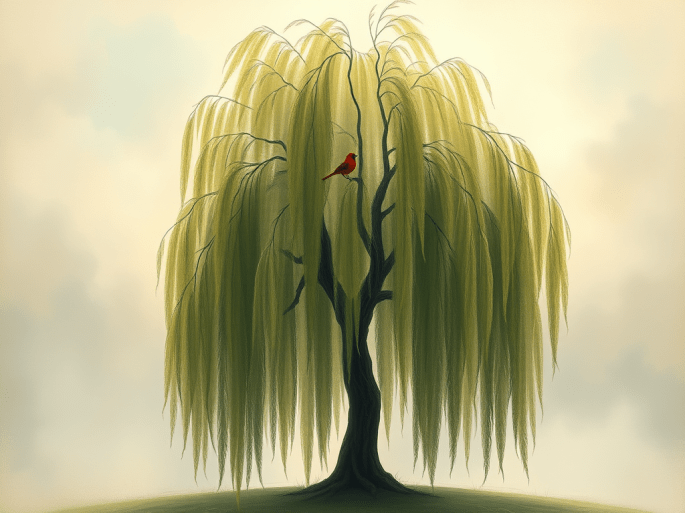
Now, nearly a year later, everything has changed, and yet, nothing has. I haven’t stepped foot next door since her memorial service. I see her willow tree—the one thing her black thumb didn’t kill. Some days, it makes me smile. Other days, it makes me cry. She should still be here. She should be helping Nick with his schoolwork, swapping recipes with me, planning our gardens together. But she isn’t. And as March 18th approaches, the weight of her absence grows heavier.

She was more than a friend. She was my sister in every way except blood. My confidante, my reality check, my protector. And now, she’s gone. There’s no one to fill her shoes. The grief is raw. The reality of outliving those we love is a harsh lesson, one I’ve always known but never fully embraced: No one is promised another day.

Finding Ways to Cope

Grief is a journey, not a destination. It changes shape but never fully disappears. If you’re walking this path, too, here are some ways to navigate the pain:

1. Allow Yourself to Feel There is no timeline for grief. Some days, you’ll laugh at a memory. Other days, the pain will take your breath away. Let it. Don’t rush healing. There’s no right or wrong way to grieve.

2. Honor Their Memory Find ways to keep their spirit alive. Cook their favorite meal. Plant something in their honor. Share their stories. Audra’s willow tree reminds me that she was here, that she mattered.

3. Lean on Your People Grief can feel isolating, but you don’t have to carry it alone. Talk to someone who understands. Share your pain, your memories, your love. Let others support you.

4. Find Purpose in the Pain Loss has a way of reshaping our priorities. I choose to love more fiercely, forgive more freely, and live more intentionally. Life is too short to do more damage.

5. Give Yourself Grace There’s no “moving on,” only moving forward. Some days will be harder than others. That’s okay. Be patient with yourself.

Grief is love with nowhere to go. And in that love, Audra remains. She may not be here to call me and tell me to snap out of it, but I hear her voice in my heart. I honor her by living, by loving, by carrying her with me in all the ways that matter.

And if there was a phone line to heaven, I know she’d be on my butt about it.

The Weight of Empathy: Finding Balance in a Painful World

I oopsidentally published this on the wrong site Thursday. Check back Monday for more insight into the path I am on….Love and light ❤

Cautiously Optimistic: Navigating the Weight of Others’ Pain

I’ve often described myself as a cautiously optimistic person. It’s a way of being that helps me face the challenges of life with hope but without completely abandoning my awareness of how fragile things can be. I try to hold on to the belief that things will get better, that there is light at the end of every dark tunnel. Yet, beneath this cautious optimism is something much deeper—an empathy that can feel all-consuming. I feel everything, and when I say everything, I mean everything.

It’s as if my heart is finely attuned to the pain of the world. When I see someone struggling, whether it’s a close friend or a stranger, I feel their burden. I feel their sadness, their frustration, their fear. It’s hard to explain to those who don’t share this experience, but it’s almost as if I can physically feel their emotions in my own body. And with this heightened sense of empathy comes a natural desire to help. If I’m in, I’m all in. When someone I care about is hurting, I will do everything within my power to ease their pain. But here’s where the challenge lies: No matter how much I want to help, no matter how deeply I feel their suffering, I can’t fix everything.

And that’s the part that has become so difficult. Everywhere I go, I see people struggling. Whether it’s a friend facing a personal crisis, a family member dealing with loss, or a stranger encountering hardships I’ll never fully understand, it feels like there is a constant presence of pain in the world. It’s overwhelming at times. And as much as I want to be there for everyone, as much as I want to ease their suffering and show them that they are not alone, I feel a sense of helplessness that gnaws at me.

I think the hardest part is that the more I care, the more I absorb. I can’t turn off my empathy. When someone is hurting, I can’t just ignore it or pretend it doesn’t affect me. So, I carry these burdens with me. I hold space for others’ pain even when I have nothing left to give. This emotional weight becomes part of my daily existence, and sometimes, it feels like it’s a battle to simply get through the day without being overwhelmed.

Coping has become a process—a continuous, daily, and sometimes hourly, practice. I’ve learned to breathe through moments of heaviness, to step back and remind myself that it’s okay not to have all the answers. I’ve had to accept that my capacity to help is limited, that sometimes, the best thing I can offer is simply my presence, my listening ear, and my unwavering support. But that doesn’t always feel like enough. I want to do more—to take away the pain, to find a solution, to make it all better. The frustration of knowing that I can’t is, at times, unbearable.

But as I reflect on these feelings, I realize that my cautious optimism isn’t about ignoring the pain or pretending that everything is fine. It’s about holding space for hope, even in the face of suffering. It’s about recognizing that while I may not have the power to fix everything, I do have the ability to show up, to care, and to be a source of light in the lives of others.

The truth is, I may never be able to ease all of the burdens that I see around me, and that’s something I have to come to terms with. But I also believe that even the smallest acts of kindness, empathy, and support can make a difference. They may not erase the pain, but they can help carry it for a little while. And maybe, just maybe, that’s enough.

So, I’ll continue to navigate the world with this cautious optimism—holding space for the pain I encounter, but also holding space for the hope that one day, things will get better. I’ll keep doing what I can, even when it feels like it’s not enough, because I know that the journey of healing is a shared one. We may not always have the power to solve each other’s problems, but we can always choose to walk alongside each other, offering empathy, understanding, and love. And in the end, maybe that’s the most important thing we can do.