It’s the Little Things That Matter

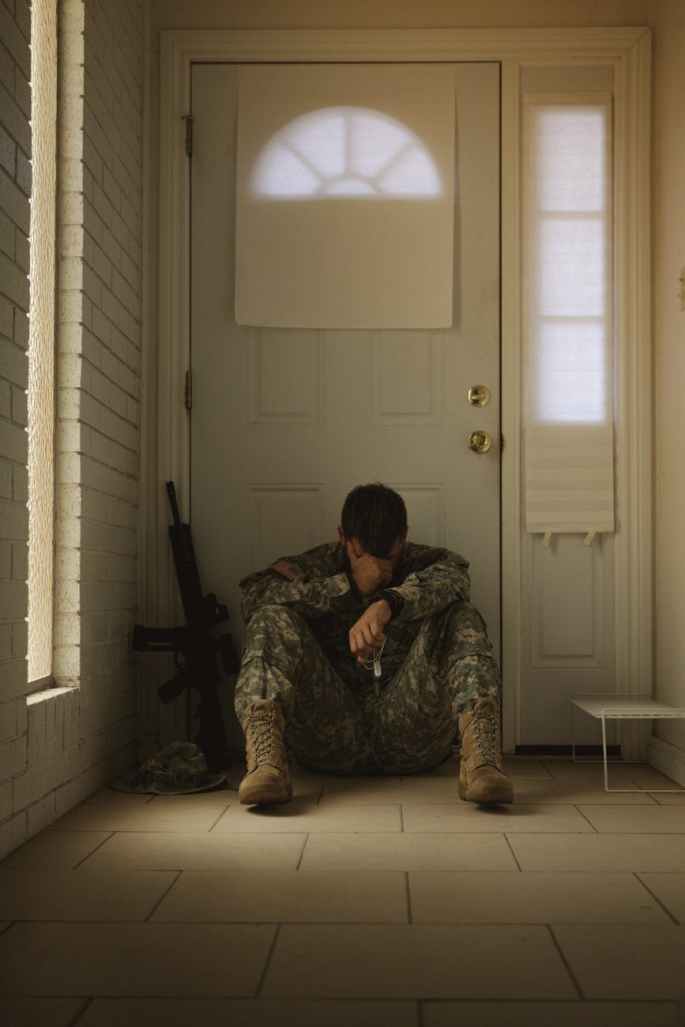
Life can be overwhelming. We all face challenges that sometimes feel impossible to overcome. Whether it’s the end of a relationship, the loss of a job, or the passing of a loved one, it’s easy to get lost in the weight of our struggles. But here’s the thing: you’ve made it through 100% of the hard days you thought might break you. And you’re still here.

Sometimes, we forget to give ourselves credit for just surviving. Life has a way of throwing curveballs, but no matter what, you’re still standing, reading this, and doing what you can to keep moving forward. That is something worth being proud of.

It’s easy to focus on what’s wrong, what’s missing, or what hasn’t gone right. But if you can, try to shift your attention to the little things—the moments of joy and comfort that we often overlook. Those small acts of self-care that may seem insignificant in the grand scheme of things actually mean so much.

So, take a deep breath. You deserve it. Maybe it’s enjoying a cup of coffee or tea in peace. Maybe it’s stepping outside for a few minutes of fresh air. Perhaps it’s treating yourself to something simple, like ordering your favorite meal or watching a show you love. Whatever it is, give yourself permission to enjoy those moments without guilt.

Taking time for yourself isn’t selfish. It’s necessary. The things you do, no matter how small, matter to you. They are reminders of what you’ve endured and what you are capable of. You are allowed to take breaks. You are allowed to rest. You are allowed to find joy in the simple things.

Remember, you can do this. Even on the hardest days, when you feel like you’re just barely holding on, you’re doing better than you think. Don’t forget to be proud of yourself for getting through each moment, each challenge. You are strong, and you deserve to celebrate the small victories.

The journey may not always be easy, but the little things along the way are what can keep you grounded, remind you of your strength, and help you keep moving forward. So take a moment to be proud of yourself, because you’ve earned it. You are here. And that’s enough.

Functional Freeze: How we get unstuck


Understanding Functional Freeze: Its Impact on Mental and Physical Well-Being and How to Break Free


We all experience moments of feeling stuck or unable to move forward, especially when faced with overwhelming stress, uncertainty, or even mundane daily pressures. However, sometimes this feeling becomes more than just a brief moment of hesitation—it can manifest as a state known as functional freeze. This state can have profound effects on our mental and physical health, making it harder to take action and feel motivated. In this post, we’ll explore what functional freeze is, how it affects us, and practical steps to help break free from it.
What is Functional Freeze?
Functional freeze is a psychological and physiological response that often occurs when our brains perceive a threat or challenge, but we feel incapable of dealing with it. It’s a state of immobilization, where we feel stuck in place—unable to move forward, make decisions, or take action. Unlike the more familiar fight-or-flight response, freeze often leads to an overall sense of stagnation rather than heightened energy.
This freeze response can be triggered by any number of factors, such as:
Overwhelm from too many tasks or responsibilities
Uncertainty or fear about the future
A traumatic or emotional event that leaves you feeling paralyzed
Anxiety or depression that creates a mental block
How Functional Freeze Affects Us
Mentally: When we experience functional freeze, our minds can become foggy, and decision-making becomes increasingly difficult. We may ruminate on problems without being able to take constructive steps to address them. This mental paralysis can also fuel anxiety and self-doubt, making us question our abilities and decisions.
Physically: On a physical level, functional freeze often results in a lack of energy or motivation. You might feel exhausted even though you haven’t done anything strenuous. This leads to a cycle of inactivity that further exacerbates feelings of helplessness or frustration. Long-term, the freeze response can also affect sleep patterns, appetite, and overall health, making it harder for your body to recover from stress.
Steps to Break Free from Functional Freeze
Acknowledge and Accept
The first step to overcoming functional freeze is acknowledging it without judgment. Recognizing that you’re in a freeze state can reduce the shame or frustration that often accompanies it. It’s important to remind yourself that this is a natural response, not a personal failure.


Start Small
When overwhelmed, the sheer scale of tasks can seem impossible. Begin by breaking things down into smaller, manageable pieces. Focus on completing a small, easy task that you know you can accomplish. The act of doing something, no matter how small, will trigger a sense of accomplishment and help you gain momentum.


Mindful Movement
Physical movement can help “reset” the body and break the freeze cycle. This doesn’t have to mean a strenuous workout—gentle stretching, yoga, or even a short walk can help release tension and get your blood flowing. Movement stimulates the release of dopamine and serotonin, which can help shift your mood and energy levels.


Limit Distractions and Create a Routine
Creating structure can reduce feelings of chaos and uncertainty. Try setting a simple daily routine to provide some sense of control. Focus on one task at a time, and eliminate unnecessary distractions (like excessive phone use or social media) that can increase feelings of overwhelm.


Talk to Someone
Sometimes, the best way to snap out of functional freeze is by talking it out. Find a friend, family member, or therapist to express how you’re feeling. Speaking about your thoughts can provide clarity, help you process emotions, and even offer new perspectives on your situation.


Practice Self-Compassion
Don’t be hard on yourself if you’re feeling stuck. Functional freeze doesn’t mean you’re lazy or incapable—it’s simply a natural response to stress. Give yourself grace, and understand that breaking free from this state is a process. Be patient with yourself as you take small steps toward recovery.


Seek Professional Help if Needed
If you find that functional freeze is affecting your day-to-day life for an extended period of time, it may be helpful to talk to a mental health professional. Therapy can provide you with tools to manage stress, anxiety, and depression, as well as help you address the root causes of your freeze response.


Final Thoughts
Functional freeze is a challenging state that many of us face at different points in our lives. While it can feel isolating and overwhelming, it’s important to remember that there are ways to break free. By acknowledging the freeze, taking small actions, and practicing self-care, you can regain your sense of control and start moving forward again—mentally, physically, and emotionally.
If you’re currently in a freeze state, take a deep breath, and remember: You are not alone, and you have the power to move past this.

September – A personal Story

Suicide Awareness Month

Here we are smack dab in the middle of September!! Here in Texas the weather is starting to change, but we know it’s just a false fall, so we hold out for the real thing. It will be here before you know it. Today the sun shone through my blinds in my bedroom creating an effect that was ethereal. I figure it was time to post one of our stories.

Suicide Prevention and Awareness Month– who is not aware of suicide? We know it happens. We know someone who has attempted. We may even know someone who succumbed to their struggle. I am a mother of adult children who attempted suicide in adolescence. Let’s have that conversation. But, before I get too deep into this conversation, please be advised it might be triggering, or it may be healing. My child has given me permission to speak about their struggles with mental health because they want to try to get rid of the stigma. They believe we HAVE to talk about it or it gets ignored and ignoring leads to so many bad outcomes. 

I could begin with explaining that they have diagnoses as far back as the 5th grade. They struggled with social cues, bullying, mood swings, meltdowns, overstimulation and so much more. School was hard for them. Kids can be cruel and for a child that felt that everyone that smiled to their face was their friend, the reality was hard to digest. They felt betrayed, and I was Momma Bear and giving the school what for trying to protect my baby. I felt the school was not doing enough to stop the bullying so I took it to the parents. The results were mixed, from “boys will be boys” to “my child would never” I got to hear all of the excuses for these children being mean spirited and discovered that they had learned the behavior at home, from their families. That broke my heart too. These were what I believed to be good people and their children were essentially torturing my child in school and no one would do anything to stop it.

 So to save them the grief, I took a proactive approach,I pulled them from public school towards the end of 5th grade and sent them to a day program in a mental health facility. The idea was that I know being a teen is tough enough. Add in the mental health struggles they were already facing; I wanted them to have an arsenal of coping strategies to face those difficult years. It worked for a while. They were homeschooled, partly because of the struggles, partly because there were so many appointments to keep. We had to see a psychiatrist for prescriptions for anxiety and ADHD, a neurologist for the migraines and abdominal migraines, gastroenterology for GERD, the PCP for basic check ups and bloodwork. There was also cognitive behavioral therapy to work in conjunction with the medications for getting through everything from house fire trauma to basic meltdowns due to overstimulation. 

It was so much at times, and keep in mind while they were going through this there were 4 other children with their own needs that had to be met and soccer, football, band, church, 4-H, FFA, and just life in general. I didn’t sleep much while they went through all of this, typically 4 hours or so each night. I got through on caffeine and adrenaline I suppose. Looking back there is so much of it a blur for them. They don’t remember certain things with much clarity when I ask, but other things they remember with perfect clarity. I think we were both in some sort of survival mode.

And then came 2016. It all caught up to everyone. My husband at the time had given up hope on ever getting better, he refused to attend any further physical therapy. He told me that he “couldn’t afford to get better.” I lost it. I decided right then and there that my children deserved better, that I deserved better and if he wasn’t going to work on being better; he needed to leave. He left and really never looked back.

Cue returning the kids to public school. By this point they were a freshman, the older two had moved out of our home. The oldest son was in Lubbock with his girl-friend and my oldest daughter had decided to move to Kansas with her aunt. 

The struggles were almost immediate, they tried to jump from the mezzanine at the school. Police and school counselor insisted that they be placed in a mental health facility. It was hard, they were locked up away from us and the doctors switched up meds and had them in group therapy. It helped for a little while but about 6 months later, it happens again, another facility and again roughly six months after that. In September 2019, my beautiful, loving, sweet, intuitive, kind “child” (they were over 18 at this point), dissolved the psychiatric meds in a glass of water. They drank that water, behaved as though everything was normal, announced they were going to get in the shower and walked through the house. A few minutes later they are screaming “Mommy” and they are laying in the tub telling me they don’t want to die. 911 is called. While waiting for them to arrive, their sister and I attempt to at least get them out of the tub and a t-shirt and shorts on them. The paramedics secure their airway and by the time they are wheeled out on a gurney, they are completely unconscious. 4 days. 4 days sitting by their bedside while they are unconscious, while the meds work their way out of their system and medical staff ensure that medically they are stable. They survived. They went through this and came out the other side. It changed everything for us. 

We learned through their recovery from this near death experience that they didn’t really want to die. They wanted to stop suffering from mental illness. They wanted the hurting to stop. They wanted to be “normal.” They learned that normal is just a setting on a washing machine. We learned not to take 1 single second of this precious life for granted. They learned to embrace their differences and find their village of people. We became part of that village, but let go of the idea that WE were the only ones in that village. Letting go of the baggage of the past, moving forward into better things for us all. 

We learned so much in this season and we are all the better for it. Letting go is still the hard part. They had to figure some things out for themselves, and it hurt to watch. But they had to learn in their own way, in their own time. I couldn’t protect them forever as much as I would have liked to do that, it just wasn’t possible. They wasted time and energy and LOVE on the wrong people, but it made them appreciate the people who have always been there. The people who didn’t waver in their love and support. 

We survived that September and all of the months thereafter, learning as we go and learning to let go. 

Yes September is suicide awareness month, but for us it is every month. Although they have been true to their word and they have not made another attempt to end things, the struggle didn’t end. They still need support. There are still bad days, bad weeks even. We just handle them better; we use our coping skills. They take a walk, take a shower, eat a favorite meal. All of these things, these coping skills they have acquired, reminds them that they do actually enjoy being alive. They traveled to Canada; they have taken road trips with friends. They are currently travelling with their significant other, who is a kind and compassionate person. They are exploring the world around them and taking care of themselves, I never thought I would see this day!! They have learned to embrace themselves and the struggle, but not let the struggles keep them down. They got THAT from their Memaw! And Memaw would be proud!

If you are struggling or feel overwhelmed:

Crisis line 988 text or call

Crisis Text   HELLO to 741741

For teens: Text teen2teen to 839863, or call 1-877-968-8491

National Domestic Violence Hotline: Text “START” to 88788 or call 1-800-799-7233