It’s Okay to Be Selfish with Your Time—In Fact, You *Should* Be

Time is the one resource we can never get back. We can earn more money. We can rebuild relationships. But once a moment passes, it’s gone forever. That’s why being *intentional*—and sometimes unapologetically selfish—with your time is not just okay, it’s essential.We live in a world that glorifies being busy. We’re constantly asked to do more, give more, be more. But constantly pouring into others without refilling yourself is a recipe for burnout, resentment, and even health issues. Here’s the truth: you can’t pour from an empty cup.

It’s okay to say no to that fundraiser. It’s okay to skip the party, even if everyone else is going. It’s okay to let a friend know, “Hey, I love you, but my social battery is low right now. I need to rest.” This isn’t being selfish in the negative sense—it’s *self-preservation*. Protecting your peace, your energy, and your time is an act of self-respect. Every commitment you make—every “yes”—costs you something. Time, energy, money, mental bandwidth. And those things are finite.When you protect your time, you’re actually being honest about your priorities. And sometimes, those priorities need to be **you**: your health, your mental wellbeing, your finances, your peace. That’s not only acceptable—it’s *wise*.Because when you’re well-rested, grounded, and financially stable, you’re *better* for everyone around you. You’re a better friend, parent, partner, coworker, neighbor. Boundaries aren’t walls; they’re filters. They help you protect what matters most.

So let this be your permission slip:

Say no.

Stay home.

Log off.

Take the nap.

Prioritize the workout.

Decline the call.

Your time is precious. Treat it like it is. You deserve to be the main character in your own life—not just a supporting role in everyone else’s.–love and light y’all

Redefining Success: Finding Peace in Life’s Surprises

Facing Life’s Uncertainties: Embracing the Next Chapter

At some point in our lives, we all find ourselves in that moment of reflection—the one where we look around and say, “This isn’t what I expected my life to be.” It doesn’t matter what age you are; this feeling can creep up on anyone. Whether you’re 25, 35, 45, or even nearing 60 or 65, you might find yourself questioning the trajectory of your life. Perhaps you’re not where you thought you would be. Maybe your dreams didn’t quite unfold the way you envisioned, or unexpected changes like a career shift, a loss, or a new phase of life are making you ask, “What’s next?”

Life is a journey full of unexpected twists and turns, and as we grow older, we often find ourselves facing moments of doubt and uncertainty. These feelings of questioning and reflection are commonly referred to as an “existential crisis,” and they can come at any age. Whether it’s a mid-life crisis, a career change, the loss of a loved one, or just an overwhelming sense that things aren’t where they should be, this feeling is universal. However, that doesn’t mean it has to be a negative or immobilizing experience. In fact, it can be a powerful opportunity for growth and reinvention.

So, what can you do when you feel like life hasn’t gone as expected? How can you navigate these moments of doubt and find peace and purpose moving forward?

1. Acknowledge Your Feelings

First and foremost, it’s essential to acknowledge that feeling uncertain or disillusioned is normal. There’s no shame in having moments of doubt. If anything, it shows that you are human. These moments are often accompanied by frustration, regret, or even sadness—but these emotions are valid, and you don’t need to suppress them. Allowing yourself to feel them without judgment is the first step to moving forward.

Take time to process these emotions, whether it’s through journaling, talking with a trusted friend, or simply sitting with your thoughts. Reflect on what led you to this point and recognize that it’s okay to have expectations that evolve as life changes.

2. Reframe Your Perspective

One of the most important things you can do when facing an existential crisis is to reframe your perspective. Instead of seeing this period of uncertainty as a failure or missed opportunity, consider it as an invitation to reevaluate your goals, dreams, and values.

The truth is, life rarely unfolds in a straight line. It’s often full of detours, challenges, and moments where we stray from the original path. But these detours can offer new perspectives and experiences that are equally as valuable—if not more so—than the original plan. Look at your life as a work in progress, not a finished product. Each stage and each change has brought you to where you are, and this is part of the adventure.

3. Redefine Success

We often define success based on societal standards: a certain career, financial security, family life, or status. But as you get older, you begin to realize that success is a deeply personal experience. What once seemed like the perfect blueprint for happiness may no longer hold the same allure. This is your opportunity to redefine what success means for you.

Ask yourself: What truly matters to me? Is it happiness? Freedom? Creativity? Fulfillment? Health? Relationships? Redefining success based on your own values rather than external expectations will bring you greater satisfaction and peace of mind as you move forward.

4. Embrace Change and Let Go of the Past

The fear of change often holds us back from taking the necessary steps to move forward. We can get so attached to our past choices, relationships, and circumstances that we resist change, even when it’s for the better. However, change is inevitable, and sometimes it’s necessary for growth.

If you’re stuck in a place of regret or resentment, it’s important to work through these feelings and find a way to let go. Holding on to the past only keeps you anchored in a time that no longer serves you. Forgive yourself for the things you didn’t know or the decisions you wish you could take back. Life is about learning and evolving, and each decision, whether good or bad, has contributed to who you are today.

5. Take Small Steps Toward a New Beginning

When facing an existential crisis, it can feel overwhelming to think about making big changes all at once. Instead of focusing on the end goal, take small steps toward what’s next. Start with something simple, whether it’s taking up a new hobby, learning a new skill, or revisiting an old passion that brought you joy.

You don’t have to make dramatic life-altering decisions overnight. Change is often most sustainable when it’s gradual and intentional. These small steps will help you rediscover what excites and motivates you. Over time, they’ll lead to a greater sense of fulfillment and confidence.

6. Seek Support

You don’t have to go through this alone. Seek out support from friends, family, or a therapist who can help you navigate these difficult emotions. Sometimes, just talking about what you’re feeling can provide clarity and a fresh perspective. If you’re facing significant life changes, such as retirement or loss, talking with others who are going through similar experiences can be incredibly comforting and reassuring.

Remember that no matter how isolated you may feel, you are not alone. Many people have faced moments of uncertainty and emerged stronger, wiser, and more at peace with who they are. Having a support system is key to maintaining your mental and emotional well-being.

7. Embrace the Unknown

One of the most liberating things you can do when faced with an existential crisis is to embrace the unknown. Life is unpredictable, and while we may want to have everything mapped out, the beauty of life often lies in its uncertainty. It’s okay not to have all the answers.

By embracing uncertainty, you open yourself up to new possibilities and opportunities. You might not know exactly what the future holds, but that’s where the adventure lies. By remaining open to change, you allow space for creativity, growth, and the unexpected joys that life can bring.

8. Focus on What You Can Control

During times of uncertainty, it’s easy to become overwhelmed by the things outside of your control. However, focusing on what you can control—your mindset, your actions, and your attitude—can empower you to take charge of your future. When life feels chaotic, focusing on small, actionable steps can provide a sense of stability and purpose.

Take care of your mental and physical health, nurture your relationships, and pursue goals that are meaningful to you. The more you focus on the areas where you have agency, the more empowered you’ll feel to navigate whatever life throws your way.

Conclusion: Live and Light

Life will never unfold exactly as we expect it, and that’s okay. What matters most is how we respond to the curveballs life throws at us. If you find yourself feeling stuck or questioning where you are in life, remember that it’s not the end of the road—it’s the beginning of something new.

Take a deep breath, acknowledge your feelings, and know that the next chapter is yours to write. Embrace change, redefine your success, seek support, and take small steps toward the future you desire. Life is about growth, reinvention, and embracing whatever comes next.

Sign off with a sense of lightness. You are not alone in this journey, and every step forward—no matter how small—is progress. Keep living, keep evolving, and keep finding the joy in the unexpected.

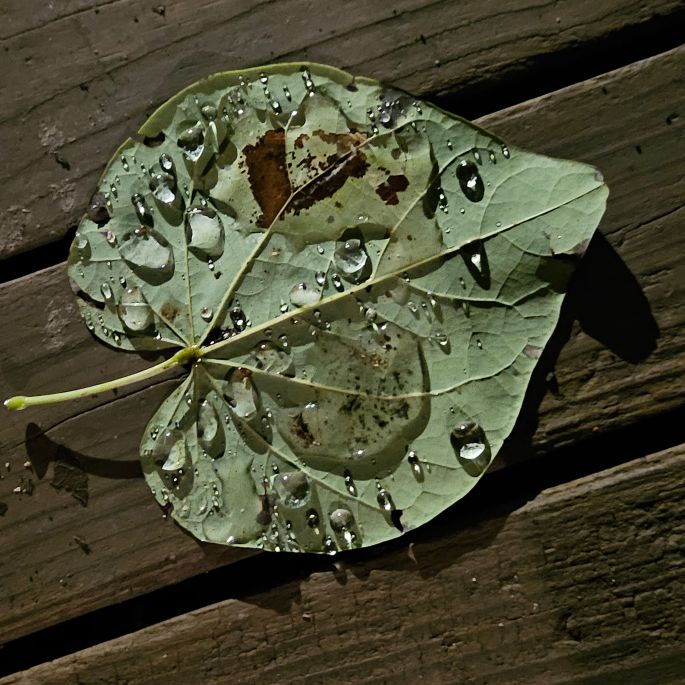
Simple Steps to Cope When Life Becomes a Disaster

When Your Life Is a Shitstorm: How to Pull Yourself Back from the Edge

You’re doomscrolling again. Your thumb moves, the screen refreshes, and more bad news floods in. It’s easier than thinking about your own life because, let’s face it, your life is a mess right now. Maybe it’s a slow, painful unraveling, or maybe everything collapsed at once. Either way, you’re here, trying to escape into the abyss of the internet, trying to feel something or nothing or anything other than what you are feeling right now.

First things first: Stop.

Not everything. Not forever. Just pause for a moment. Put the phone down, even if it’s just for a few seconds. You don’t have to fix everything right now. You don’t even have to do anything right now. But you do have to breathe. Not the automatic, shallow breathing that keeps you technically alive, but the kind where you take control of your own body again.

Breathe Like You Mean It

Breathe in deeply, slowly, deliberately. Feel the air fill your lungs. Hold it for a moment, then let it out. Do it again. And again. Because when everything feels out of control, this is the one thing you can control. You can’t change the past, you can’t predict the future, and you can’t force other people to act the way you want them to. But you can breathe, right now, in this moment.

Eat Something. No, Really.

Have you eaten today? No, coffee doesn’t count. Neither does the handful of crackers you barely noticed shoving into your mouth. Eat something real. It doesn’t have to be healthy. It just has to be food. A sandwich, a bowl of cereal, some fruit, even a damn granola bar—just something with actual calories and nutrients. When life is a wreck, basic self-care falls by the wayside, and eating is one of the first things to go. But you need fuel. You wouldn’t expect a car to run on an empty tank, so why are you expecting your body and mind to function when you haven’t given them anything to work with?

Drink Some Water. Yes, Right Now.

Dehydration sneaks up on you. It makes you foggy, sluggish, and more irritable. It messes with your mood and your ability to think clearly. And when you’re in crisis mode, drinking enough water is often the last thing on your mind. Grab a glass, a bottle, anything. It doesn’t have to be perfect. It doesn’t have to be lemon-infused or electrolyte-enhanced. Just drink.

Be Still.

This one is hard. We live in a world that screams at us to always be doing something, fixing something, achieving something. But when everything is a disaster, sometimes the best thing you can do is nothing. Be still. Let your body settle, let your mind settle. Give yourself permission to not have the answers, to not have a plan, to not know what comes next. Sometimes, the storm has to pass before you can even see the ground beneath your feet again.

Being still doesn’t mean you’re giving up. It means you’re letting your nervous system catch up, allowing your emotions to level out so that when you do move forward, you’re doing so with a clearer head and steadier hands.

You Are Still Here.

Life is not always fair. It is not always kind. Sometimes, it throws things at you that you never asked for and don’t deserve. But you are still here. And as long as you are here, you have choices. Maybe not the ones you wish you had, maybe not the ones that make everything magically better, but some choices.

Start with the small ones. The ones that remind you that you are, in fact, still in control of something. Breathe. Eat. Drink. Be still. And when you’re ready, take the next step. One moment, one breath, one tiny act of care at a time.

You’ve survived 100% of your worst days so far. You can survive this one too.

The Weight of Empathy: Finding Balance in a Painful World

I oopsidentally published this on the wrong site Thursday. Check back Monday for more insight into the path I am on….Love and light ❤

Cautiously Optimistic: Navigating the Weight of Others’ Pain

I’ve often described myself as a cautiously optimistic person. It’s a way of being that helps me face the challenges of life with hope but without completely abandoning my awareness of how fragile things can be. I try to hold on to the belief that things will get better, that there is light at the end of every dark tunnel. Yet, beneath this cautious optimism is something much deeper—an empathy that can feel all-consuming. I feel everything, and when I say everything, I mean everything.

It’s as if my heart is finely attuned to the pain of the world. When I see someone struggling, whether it’s a close friend or a stranger, I feel their burden. I feel their sadness, their frustration, their fear. It’s hard to explain to those who don’t share this experience, but it’s almost as if I can physically feel their emotions in my own body. And with this heightened sense of empathy comes a natural desire to help. If I’m in, I’m all in. When someone I care about is hurting, I will do everything within my power to ease their pain. But here’s where the challenge lies: No matter how much I want to help, no matter how deeply I feel their suffering, I can’t fix everything.

And that’s the part that has become so difficult. Everywhere I go, I see people struggling. Whether it’s a friend facing a personal crisis, a family member dealing with loss, or a stranger encountering hardships I’ll never fully understand, it feels like there is a constant presence of pain in the world. It’s overwhelming at times. And as much as I want to be there for everyone, as much as I want to ease their suffering and show them that they are not alone, I feel a sense of helplessness that gnaws at me.

I think the hardest part is that the more I care, the more I absorb. I can’t turn off my empathy. When someone is hurting, I can’t just ignore it or pretend it doesn’t affect me. So, I carry these burdens with me. I hold space for others’ pain even when I have nothing left to give. This emotional weight becomes part of my daily existence, and sometimes, it feels like it’s a battle to simply get through the day without being overwhelmed.

Coping has become a process—a continuous, daily, and sometimes hourly, practice. I’ve learned to breathe through moments of heaviness, to step back and remind myself that it’s okay not to have all the answers. I’ve had to accept that my capacity to help is limited, that sometimes, the best thing I can offer is simply my presence, my listening ear, and my unwavering support. But that doesn’t always feel like enough. I want to do more—to take away the pain, to find a solution, to make it all better. The frustration of knowing that I can’t is, at times, unbearable.

But as I reflect on these feelings, I realize that my cautious optimism isn’t about ignoring the pain or pretending that everything is fine. It’s about holding space for hope, even in the face of suffering. It’s about recognizing that while I may not have the power to fix everything, I do have the ability to show up, to care, and to be a source of light in the lives of others.

The truth is, I may never be able to ease all of the burdens that I see around me, and that’s something I have to come to terms with. But I also believe that even the smallest acts of kindness, empathy, and support can make a difference. They may not erase the pain, but they can help carry it for a little while. And maybe, just maybe, that’s enough.

So, I’ll continue to navigate the world with this cautious optimism—holding space for the pain I encounter, but also holding space for the hope that one day, things will get better. I’ll keep doing what I can, even when it feels like it’s not enough, because I know that the journey of healing is a shared one. We may not always have the power to solve each other’s problems, but we can always choose to walk alongside each other, offering empathy, understanding, and love. And in the end, maybe that’s the most important thing we can do.

Navigating Online Conversations with Kindness

A Powerful Tool, A Costly Battlefield

The internet is one of the most powerful tools ever created. It connects people across the globe, provides access to endless knowledge, and enables communities to grow in ways that were once unimaginable. However, with its power comes responsibility—a responsibility many forget when they engage in conversations online, particularly on social media.

Social media has given everyone a voice, which is both a blessing and a curse. While it allows for the exchange of ideas, advocacy, and connection, it has also become a space where snap judgments, personal attacks, and unkind words are all too common. Many use the veil of online anonymity or distance to say things they would never express in person. The cost of kindness, however, remains the same: absolutely nothing.

The Rise of Online Hostility

The ease of instant communication has brought about an unfortunate trend: the rapid-fire delivery of opinions without thought or empathy. Platforms such as Twitter, Facebook, and Instagram have become battlegrounds where people aggressively defend their views, often at the expense of others. It is not uncommon to see heated arguments escalate into personal insults, with individuals tearing each other down over differences in opinion.

While passionate discussion is an essential part of free speech and progress, it crosses a line when it turns into hostility. The problem is not the expression of opinions, but the manner in which they are expressed. There is a significant difference between constructive criticism and a personal attack. Rather than engaging in meaningful debate, many resort to name-calling, shaming, or ridiculing others simply for having a different perspective.

The Hidden Struggles Behind the Screen

We must remember that behind every profile picture and username is a real person with real struggles. Many individuals are fighting battles we cannot see—whether it’s financial instability, mental health issues, job insecurity, or personal trauma. A single harsh comment may be the breaking point for someone who is already experiencing hardship. Words have weight, and thoughtless negativity only adds to the burden someone is carrying.

Online bullying and cyber harassment have real-world consequences. Studies have shown that negative online interactions contribute to increased stress, anxiety, and depression. Some individuals have even been driven to self-harm or suicide due to the relentless negativity they face online. It is crucial that we become more mindful of our digital interactions and recognize that our words can either uplift or destroy.

The Power of Scrolling Past and Choosing Kindness

One of the simplest yet most effective tools we have in the digital world is the ability to scroll past content we do not agree with. Not every post requires a response. We do not have to engage with every opinion that contradicts our own, especially if doing so will lead to hostility. The ability to disengage from negativity is a sign of wisdom, not weakness.

Choosing kindness does not mean we have to agree with everyone. It means expressing our thoughts in a way that is firm yet respectful. We can stand our ground, challenge harmful narratives, and engage in discussions without resorting to insults or cruelty. The most effective communicators are those who present their arguments with grace, intelligence, and empathy.

The True Cost of Online Cruelty

The cost of unkindness is much greater than we often realize. When we attack others online, we not only harm the person on the receiving end but also damage our own credibility. When discussions devolve into personal insults, the original point being made is often lost. People are far less likely to take seriously those who resort to aggressive tactics rather than thoughtful discourse.

Furthermore, toxic online environments discourage meaningful participation. When people witness hostility, they may become hesitant to share their thoughts, fearing they will become the next target. This results in a less diverse exchange of ideas and ultimately limits the potential for progress and understanding.

Shaping a More Positive Online Culture

The internet is a reflection of humanity. If we want it to be a better place, we must actively contribute to making it so. Here are some practical ways to promote kindness and positivity online:

  • Pause Before You Post: Take a moment to think about the impact of your words before commenting or responding.
  • Engage Constructively: Offer insights, ask questions, and encourage open discussion rather than resorting to insults.
  • Avoid Reacting Emotionally: If a post makes you angry, step away before responding. Cooler heads prevail in meaningful discussions.
  • Report Toxic Behavior: Most platforms allow users to report harassment and bullying. Use these tools to help maintain a safer online environment.
  • Be the Example: Lead by example by maintaining a respectful and kind online presence. Positivity is contagious, and small efforts can create a ripple effect.

A Final Thought: Kindness is Free

Kindness is one of the few things in life that costs nothing but has immeasurable value. The internet is filled with enough negativity; let us choose to be a source of light rather than darkness. When we engage with others online, let us do so with integrity, respect, and empathy. Strong beliefs can still be expressed without cruelty. Constructive discussions can take place without personal attacks.

We have the power to shape the digital world into a more respectful and supportive space. It begins with each of us choosing to be mindful of our words and their impact. Engage, discuss, debate, and stand your ground—but do it with kindness. The world, both online and offline, needs more of that.