Simple Steps to Cope When Life Becomes a Disaster

When Your Life Is a Shitstorm: How to Pull Yourself Back from the Edge

You’re doomscrolling again. Your thumb moves, the screen refreshes, and more bad news floods in. It’s easier than thinking about your own life because, let’s face it, your life is a mess right now. Maybe it’s a slow, painful unraveling, or maybe everything collapsed at once. Either way, you’re here, trying to escape into the abyss of the internet, trying to feel something or nothing or anything other than what you are feeling right now.

First things first: Stop.

Not everything. Not forever. Just pause for a moment. Put the phone down, even if it’s just for a few seconds. You don’t have to fix everything right now. You don’t even have to do anything right now. But you do have to breathe. Not the automatic, shallow breathing that keeps you technically alive, but the kind where you take control of your own body again.

Breathe Like You Mean It

Breathe in deeply, slowly, deliberately. Feel the air fill your lungs. Hold it for a moment, then let it out. Do it again. And again. Because when everything feels out of control, this is the one thing you can control. You can’t change the past, you can’t predict the future, and you can’t force other people to act the way you want them to. But you can breathe, right now, in this moment.

Eat Something. No, Really.

Have you eaten today? No, coffee doesn’t count. Neither does the handful of crackers you barely noticed shoving into your mouth. Eat something real. It doesn’t have to be healthy. It just has to be food. A sandwich, a bowl of cereal, some fruit, even a damn granola bar—just something with actual calories and nutrients. When life is a wreck, basic self-care falls by the wayside, and eating is one of the first things to go. But you need fuel. You wouldn’t expect a car to run on an empty tank, so why are you expecting your body and mind to function when you haven’t given them anything to work with?

Drink Some Water. Yes, Right Now.

Dehydration sneaks up on you. It makes you foggy, sluggish, and more irritable. It messes with your mood and your ability to think clearly. And when you’re in crisis mode, drinking enough water is often the last thing on your mind. Grab a glass, a bottle, anything. It doesn’t have to be perfect. It doesn’t have to be lemon-infused or electrolyte-enhanced. Just drink.

Be Still.

This one is hard. We live in a world that screams at us to always be doing something, fixing something, achieving something. But when everything is a disaster, sometimes the best thing you can do is nothing. Be still. Let your body settle, let your mind settle. Give yourself permission to not have the answers, to not have a plan, to not know what comes next. Sometimes, the storm has to pass before you can even see the ground beneath your feet again.

Being still doesn’t mean you’re giving up. It means you’re letting your nervous system catch up, allowing your emotions to level out so that when you do move forward, you’re doing so with a clearer head and steadier hands.

You Are Still Here.

Life is not always fair. It is not always kind. Sometimes, it throws things at you that you never asked for and don’t deserve. But you are still here. And as long as you are here, you have choices. Maybe not the ones you wish you had, maybe not the ones that make everything magically better, but some choices.

Start with the small ones. The ones that remind you that you are, in fact, still in control of something. Breathe. Eat. Drink. Be still. And when you’re ready, take the next step. One moment, one breath, one tiny act of care at a time.

You’ve survived 100% of your worst days so far. You can survive this one too.

Navigating Grief: Lessons from a Year Without Audra

Coping with Grief: A Year Without Audra

It’s been nearly a year now—a year since Audra passed. It was a Wednesday. We had already spoken twice that morning, talking about life, laughing about how much she hated Walmart and self-checkouts. Then my phone rang again. This time, it was different. “I don’t feel right,” she said. “Bring the blood pressure cuff.”

It was Spring Break, and I was home, not teaching. I ran next door, frantic, to find her slurring her words, sweet little Hayden trying to help Moomoo. Her blood pressure was too high. I called 911. She started throwing up. By the time the paramedics arrived, she was somewhat coherent. I had gotten Hunter and Nick there. Thomas was on the phone. It was bad.

By the time they loaded her into the ambulance, I saw it—Hunter saw it. The drooping side of her face. We knew. But we held onto hope. Strokes can be survived. Audra was tough and ornery. She could pull through. But it all happened so fast. Some days, the scene replays in my head. Some nights, it haunts my dreams.

I visited her in the hospital. Thomas said the prognosis was grim. We knew. She knew. She had made it clear she never wanted machines to keep her alive if there was no real quality of life. And so, we waited. We grieved even before she was gone. And then, she slipped away.

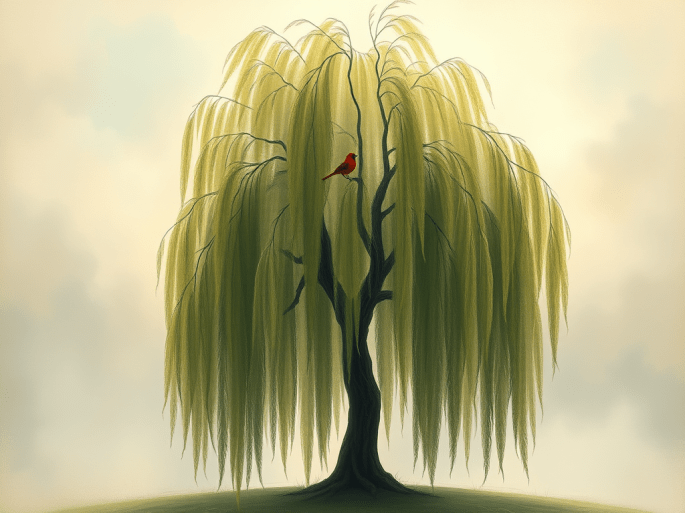
Now, nearly a year later, everything has changed, and yet, nothing has. I haven’t stepped foot next door since her memorial service. I see her willow tree—the one thing her black thumb didn’t kill. Some days, it makes me smile. Other days, it makes me cry. She should still be here. She should be helping Nick with his schoolwork, swapping recipes with me, planning our gardens together. But she isn’t. And as March 18th approaches, the weight of her absence grows heavier.

She was more than a friend. She was my sister in every way except blood. My confidante, my reality check, my protector. And now, she’s gone. There’s no one to fill her shoes. The grief is raw. The reality of outliving those we love is a harsh lesson, one I’ve always known but never fully embraced: No one is promised another day.

Finding Ways to Cope

Grief is a journey, not a destination. It changes shape but never fully disappears. If you’re walking this path, too, here are some ways to navigate the pain:

1. Allow Yourself to Feel There is no timeline for grief. Some days, you’ll laugh at a memory. Other days, the pain will take your breath away. Let it. Don’t rush healing. There’s no right or wrong way to grieve.

2. Honor Their Memory Find ways to keep their spirit alive. Cook their favorite meal. Plant something in their honor. Share their stories. Audra’s willow tree reminds me that she was here, that she mattered.

3. Lean on Your People Grief can feel isolating, but you don’t have to carry it alone. Talk to someone who understands. Share your pain, your memories, your love. Let others support you.

4. Find Purpose in the Pain Loss has a way of reshaping our priorities. I choose to love more fiercely, forgive more freely, and live more intentionally. Life is too short to do more damage.

5. Give Yourself Grace There’s no “moving on,” only moving forward. Some days will be harder than others. That’s okay. Be patient with yourself.

Grief is love with nowhere to go. And in that love, Audra remains. She may not be here to call me and tell me to snap out of it, but I hear her voice in my heart. I honor her by living, by loving, by carrying her with me in all the ways that matter.

And if there was a phone line to heaven, I know she’d be on my butt about it.

The Weight of Empathy: Finding Balance in a Painful World

I oopsidentally published this on the wrong site Thursday. Check back Monday for more insight into the path I am on….Love and light ❤

Cautiously Optimistic: Navigating the Weight of Others’ Pain

I’ve often described myself as a cautiously optimistic person. It’s a way of being that helps me face the challenges of life with hope but without completely abandoning my awareness of how fragile things can be. I try to hold on to the belief that things will get better, that there is light at the end of every dark tunnel. Yet, beneath this cautious optimism is something much deeper—an empathy that can feel all-consuming. I feel everything, and when I say everything, I mean everything.

It’s as if my heart is finely attuned to the pain of the world. When I see someone struggling, whether it’s a close friend or a stranger, I feel their burden. I feel their sadness, their frustration, their fear. It’s hard to explain to those who don’t share this experience, but it’s almost as if I can physically feel their emotions in my own body. And with this heightened sense of empathy comes a natural desire to help. If I’m in, I’m all in. When someone I care about is hurting, I will do everything within my power to ease their pain. But here’s where the challenge lies: No matter how much I want to help, no matter how deeply I feel their suffering, I can’t fix everything.

And that’s the part that has become so difficult. Everywhere I go, I see people struggling. Whether it’s a friend facing a personal crisis, a family member dealing with loss, or a stranger encountering hardships I’ll never fully understand, it feels like there is a constant presence of pain in the world. It’s overwhelming at times. And as much as I want to be there for everyone, as much as I want to ease their suffering and show them that they are not alone, I feel a sense of helplessness that gnaws at me.

I think the hardest part is that the more I care, the more I absorb. I can’t turn off my empathy. When someone is hurting, I can’t just ignore it or pretend it doesn’t affect me. So, I carry these burdens with me. I hold space for others’ pain even when I have nothing left to give. This emotional weight becomes part of my daily existence, and sometimes, it feels like it’s a battle to simply get through the day without being overwhelmed.

Coping has become a process—a continuous, daily, and sometimes hourly, practice. I’ve learned to breathe through moments of heaviness, to step back and remind myself that it’s okay not to have all the answers. I’ve had to accept that my capacity to help is limited, that sometimes, the best thing I can offer is simply my presence, my listening ear, and my unwavering support. But that doesn’t always feel like enough. I want to do more—to take away the pain, to find a solution, to make it all better. The frustration of knowing that I can’t is, at times, unbearable.

But as I reflect on these feelings, I realize that my cautious optimism isn’t about ignoring the pain or pretending that everything is fine. It’s about holding space for hope, even in the face of suffering. It’s about recognizing that while I may not have the power to fix everything, I do have the ability to show up, to care, and to be a source of light in the lives of others.

The truth is, I may never be able to ease all of the burdens that I see around me, and that’s something I have to come to terms with. But I also believe that even the smallest acts of kindness, empathy, and support can make a difference. They may not erase the pain, but they can help carry it for a little while. And maybe, just maybe, that’s enough.

So, I’ll continue to navigate the world with this cautious optimism—holding space for the pain I encounter, but also holding space for the hope that one day, things will get better. I’ll keep doing what I can, even when it feels like it’s not enough, because I know that the journey of healing is a shared one. We may not always have the power to solve each other’s problems, but we can always choose to walk alongside each other, offering empathy, understanding, and love. And in the end, maybe that’s the most important thing we can do.

Finding Balance: Overcoming the Need to Constantly Achieve

The Illusion of “Not Enough”:

Have you ever collapsed at the end of the day, feeling exhausted but still haunted by the thought that you didn’t do enough? Maybe you checked off multiple tasks, met deadlines, and even tackled a few extra chores, yet there’s a nagging voice whispering, You could have done more.

This feeling is so common, yet it’s rarely questioned. Why do we feel this way? Why does our brain insist on measuring our worth by how much we accomplish?

The Name for That Nagging Feeling

What you’re experiencing has a name: productivity guilt. It’s the psychological burden of feeling like you haven’t done enough, even when you’ve been productive. It often stems from a mix of societal pressure, personal expectations, and the ever-present hustle culture that tells us we should always be striving for more.

A close cousin of this feeling is imposter syndrome, where no matter how much you achieve, it never seems sufficient. Both can create a cycle of self-doubt, stress, and burnout—an exhausting loop where you’re never truly satisfied with your efforts.

Why Do We Feel This Way?

Our modern world thrives on output, measuring success in terms of productivity. We’re conditioned to believe that our value is tied to what we do, rather than who we are. Social media doesn’t help—scrolling through endless posts of people seemingly achieving more can fuel the belief that we’re falling behind.

But here’s the truth: you are not a machine. You are not meant to operate at peak efficiency all the time. Rest, slowness, and even unproductive days are part of being human.

Some Days Will Be This Way—And That’s Okay

Not every day will be a high-output day. Some days, your energy will be lower. Some days, your body or mind will demand rest. And some days, despite your best efforts, things just won’t go as planned.

That doesn’t mean you’ve failed. It means you’re living.

Be gentle with yourself. Progress isn’t about constant motion; it’s about balance. Your worth isn’t defined by how much you accomplish in a single day.

So, if today didn’t go as planned, take a deep breath. You are enough. You have done enough. And tomorrow is a new day.

My Gardening Plan: Growing for Health and Family

Gardening is more than just a pastime for me; it’s a therapeutic practice that benefits both my mind and body. I live in Zone 8b, and although I’ve only had one truly successful garden, that one year was fantastic for my whole family. The fresh food, time spent outdoors, and sense of accomplishment made a lasting impact, and I’m excited to plan another great growing season.

Why Gardening Matters to Me

  1. Stress Reduction – Digging in the soil, planting seeds, and tending to plants help me unwind after a long day.
  2. Mindfulness and Relaxation – Gardening allows me to slow down and connect with nature, making me more present in the moment.
  3. Exercise and Outdoor Time – Spending time outside moving around in the garden is a great way to stay active and soak up some vitamin D.
  4. Family Connection – My family loved having fresh produce at home, and it became something we all enjoyed together.

My Plan for This Year’s Garden

Finding My Growing Zone

Since I’m in Zone 8b, I have a long growing season with mild winters, which means I can grow a wide variety of crops. If you’re unsure of your zone, check it here: USDA Plant Hardiness Zone Map.

1. Starting Seeds Indoors

Since my successful year taught me that starting early is key, I’ll begin seeds indoors 6-8 weeks before the last frost date. Here’s what I plan to start early:

  • Tomatoes
  • Peppers
  • Broccoli
  • Cabbage
  • Herbs (basil, thyme, parsley)

I’ll use seed trays with high-quality seed-starting mix and keep them near a sunny window or under grow lights.

2. Preparing the Soil

Last time, I realized healthy soil made a big difference. This year, I’m preparing by:

  • Adding compost for nutrients
  • Testing soil pH and adjusting if necessary
  • Mulching to retain moisture and suppress weeds

For container gardening, I’ll use high-quality potting soil mixed with compost.

3. Choosing Onion and Potato Starts

Since my family loved fresh onions and potatoes, I’m making them a priority this year. In Zone 8b, late winter to early spring is the best time for planting:

  • Onions – I’ll buy onion sets or transplants and plant them in well-drained soil.
  • Potatoes – I’ll purchase seed potatoes and plant them in trenches, gradually covering them with soil as they grow.

4. Companion Planting & Crop Grouping

I want to maximize my garden space and reduce pests naturally, so I’m pairing plants strategically:

  • Tomatoes, Basil, Marigolds – Basil enhances tomato flavor, and marigolds deter pests.
  • Carrots & Onions – Onions help keep carrot flies away.
  • Beans & Corn – Beans fix nitrogen in the soil, which benefits corn.
  • Lettuce & Radishes – Radishes help loosen the soil for lettuce.

My Approach to Small-Space Gardening

Even though I have space for a garden, I also love growing in containers for easy access to fresh produce. This year, I’m growing:

  • Cherry Tomatoes – In 5-gallon buckets or large pots.
  • Lettuce & Spinach – In shallow containers for quick harvests.
  • Strawberries – In hanging baskets for fresh picking.
  • Herbs – Basil, mint, and rosemary in small pots near the kitchen.
  • Peppers – Compact and productive in containers.

Vertical Gardening

To make the most of my space, I’m using vertical planters, trellises, and hanging baskets. Climbing plants like cucumbers, beans, and peas will thrive in this setup.

Expanding to a Larger Garden

Last time, my garden was relatively small, but this year, I’m expanding. Here’s how I’ll set up my new space:

  • Crop rotation to maintain soil health
  • Irrigation systems for efficient watering
  • Square-foot gardening to optimize space and production

Visual Guides for Planning

I rely on visual references to keep my plan on track:

  • A seasonal planting guide for Zone 8b
  • Companion planting chart
  • Container gardening layouts
  • Raised bed designs

Final Thoughts

My first successful garden was a game-changer for my family. Now, I’m excited to refine my plan and build on what worked. Whether you’re just starting or looking to improve your garden, I encourage you to take small steps and enjoy the process.

What’s Next?

  • Check local frost dates and plan accordingly.
  • Gather seeds, soil, and containers.
  • Start small and expand as confidence grows.

Here’s to another great growing season—happy gardening from Zone 8b!