

Addiction.
Just sit with that word for a moment.
It carries weight. It sounds heavy. Shame-filled. Final. I can’t think of many positive things we associate with it.
I personally smoke cigarettes (working toward quitting), and I am absolutely a caffeine addict — and probably sugar too. But beyond my own habits, I have loved addicts. Not just romantically. Friends. Family. People I would go to the ends of the earth for.
So let’s ask the question plainly:
Is addiction a disease? A condition to be treated? Something recovery is possible from?
Yeah. Yes. It is.
What Is Addiction?
The American Society of Addiction Medicine defines addiction as:
A treatable, chronic medical disease involving complex interactions among brain circuits, genetics, the environment, and an individual’s life experiences. People with addiction use substances or engage in behaviors that become compulsive and often continue despite harmful consequences.
The National Institute on Drug Abuse explains it similarly — addiction is a chronic, relapsing disorder characterized by compulsive drug seeking and use despite negative consequences.
Chronic.
Medical.
Treatable.
Those words matter.
And here’s something else that matters:
In the United States, about 1 in 6 people struggle with a substance use disorder each year.
Millions more struggle with nicotine dependence.
Caffeine dependence is widely recognized.
Studies show that highly processed foods can trigger brain reward systems in ways similar to addictive substances.
This isn’t rare. This isn’t “those people.” This is us. Our neighbors. Our families.
We Joke About It… But Should We?
People casually say, “I’m a coffee addict.”
Or “I’m addicted to Diet Coke.”
Or “Don’t talk to me before my sugar.”
But do we understand the weight of that word?
Yes — you really can be addicted to sugar, caffeine, nicotine, and highly processed foods. That doesn’t make you weak. It makes you human with a brain wired for reward.
Our brains are designed to remember what feels good and to repeat it. Dopamine — the “feel good” neurotransmitter — reinforces behaviors that provide pleasure or relief. Over time, repetition becomes reliance. Reliance becomes dependence.
And dependence, when disrupted, becomes withdrawal.
The Logan Story
Let me tell you a story.
Logan was 10. His mom wasn’t much of a cook, so meals were mostly pre-packaged, fast food, convenient — and let me say clearly: fed is fed. No judgment. Survival comes first.
But when summer came, Logan went to stay with Dad and stepmom. They cooked fresh food. Fruits. Vegetables. Homemade meals. Grilled burgers and hot dogs.
Within days, Logan had what looked like the flu. Headaches. Fatigue. Irritability. Just not himself.
His big sister picked him up, took him to the movies and — yes — McDonald’s.
Miraculous recovery.
Until a week later, when the “flu” returned.
He wasn’t sick. He was withdrawing.
His body had become accustomed to high levels of sugar, sodium, and processed additives. When they disappeared, his system reacted.
Dad refused to reintroduce the fast food. They let his body recalibrate. It was uncomfortable. It was eye-opening. And it was very real.
Logan didn’t know he was dependent.
But his body did.
It’s All the Same Brain
Opioids.
Nicotine.
Methamphetamine.
Alcohol.
Sugar.
Caffeine.
Different substances. Same reward circuitry.
When we remove what the brain has grown used to, the body protests.
Withdrawal can look like:
Headaches
Fatigue
Anxiety
Irritability
Nausea
Depression
Physical pain
Some withdrawals are uncomfortable. Some are dangerous. Some are life-threatening.
But the mechanism? The brain wanting what it has been trained to expect.
So Where Do We Start?
We start by naming it.
Without shame.
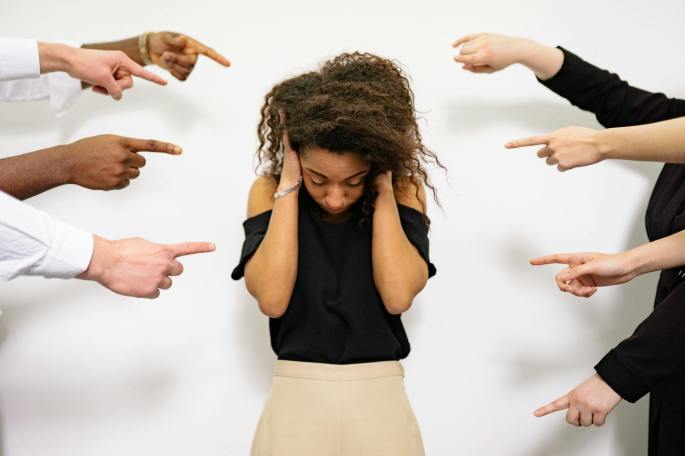
We stop whispering about addiction like it’s a moral failure. We stop labeling people as “weak” or “lacking willpower.”
We start asking:
What pain is this numbing?
What pattern is this reinforcing?
What support is missing?
Addiction thrives in isolation. Recovery thrives in connection.
Somewhere, there has to be a conscious decision to become mindful of what we are putting into our bodies — and why.
Not with judgment.
With curiosity.
My Truth
I am a caffeine addict.
I am nicotine dependent.
I am working on both.
And I have loved addicts.
Deeply.
We need to help one another make better choices instead of judging someone’s struggle. Because it could be you. It could be me. It could be someone you love.
Addiction is not a character flaw.
It is a condition.
It is treatable.
Recovery is possible.
And compassion? That should be non-negotiable
 Mothersense and Miscellaneous