Addiction.


Just sit with that word for a moment.
It carries weight. It sounds heavy. Shame-filled. Final. I can’t think of many positive things we associate with it.
I personally smoke cigarettes (working toward quitting), and I am absolutely a caffeine addict — and probably sugar too. But beyond my own habits, I have loved addicts. Not just romantically. Friends. Family. People I would go to the ends of the earth for.


So let’s ask the question plainly:
Is addiction a disease? A condition to be treated? Something recovery is possible from?
Yeah. Yes. It is.


What Is Addiction?
The American Society of Addiction Medicine defines addiction as:
A treatable, chronic medical disease involving complex interactions among brain circuits, genetics, the environment, and an individual’s life experiences. People with addiction use substances or engage in behaviors that become compulsive and often continue despite harmful consequences.


The National Institute on Drug Abuse explains it similarly — addiction is a chronic, relapsing disorder characterized by compulsive drug seeking and use despite negative consequences.
Chronic.
Medical.
Treatable.


Those words matter.


And here’s something else that matters:


In the United States, about 1 in 6 people struggle with a substance use disorder each year.
Millions more struggle with nicotine dependence.
Caffeine dependence is widely recognized.
Studies show that highly processed foods can trigger brain reward systems in ways similar to addictive substances.
This isn’t rare. This isn’t “those people.” This is us. Our neighbors. Our families.


We Joke About It… But Should We?
People casually say, “I’m a coffee addict.”
Or “I’m addicted to Diet Coke.”
Or “Don’t talk to me before my sugar.”
But do we understand the weight of that word?


Yes — you really can be addicted to sugar, caffeine, nicotine, and highly processed foods. That doesn’t make you weak. It makes you human with a brain wired for reward.
Our brains are designed to remember what feels good and to repeat it. Dopamine — the “feel good” neurotransmitter — reinforces behaviors that provide pleasure or relief. Over time, repetition becomes reliance. Reliance becomes dependence.
And dependence, when disrupted, becomes withdrawal.


The Logan Story
Let me tell you a story.
Logan was 10. His mom wasn’t much of a cook, so meals were mostly pre-packaged, fast food, convenient — and let me say clearly: fed is fed. No judgment. Survival comes first.
But when summer came, Logan went to stay with Dad and stepmom. They cooked fresh food. Fruits. Vegetables. Homemade meals. Grilled burgers and hot dogs.
Within days, Logan had what looked like the flu. Headaches. Fatigue. Irritability. Just not himself.
His big sister picked him up, took him to the movies and — yes — McDonald’s.
Miraculous recovery.
Until a week later, when the “flu” returned.
He wasn’t sick. He was withdrawing.
His body had become accustomed to high levels of sugar, sodium, and processed additives. When they disappeared, his system reacted.
Dad refused to reintroduce the fast food. They let his body recalibrate. It was uncomfortable. It was eye-opening. And it was very real.
Logan didn’t know he was dependent.
But his body did.


It’s All the Same Brain
Opioids.
Nicotine.
Methamphetamine.
Alcohol.
Sugar.
Caffeine.


Different substances. Same reward circuitry.
When we remove what the brain has grown used to, the body protests.


Withdrawal can look like:
Headaches
Fatigue
Anxiety
Irritability
Nausea
Depression
Physical pain


Some withdrawals are uncomfortable. Some are dangerous. Some are life-threatening.
But the mechanism? The brain wanting what it has been trained to expect.


So Where Do We Start?


We start by naming it.


Without shame.


We stop whispering about addiction like it’s a moral failure. We stop labeling people as “weak” or “lacking willpower.”
We start asking:
What pain is this numbing?
What pattern is this reinforcing?
What support is missing?
Addiction thrives in isolation. Recovery thrives in connection.
Somewhere, there has to be a conscious decision to become mindful of what we are putting into our bodies — and why.


Not with judgment.
With curiosity.


My Truth
I am a caffeine addict.
I am nicotine dependent.
I am working on both.
And I have loved addicts.


Deeply.


We need to help one another make better choices instead of judging someone’s struggle. Because it could be you. It could be me. It could be someone you love.
Addiction is not a character flaw.


It is a condition.
It is treatable.
Recovery is possible.


And compassion? That should be non-negotiable
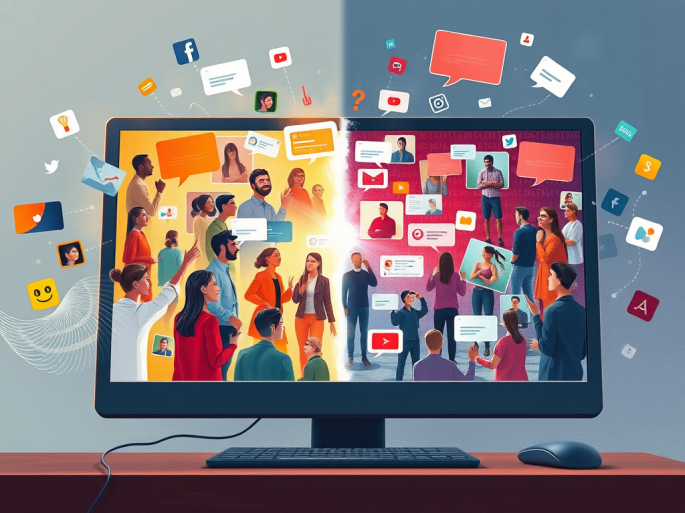
Navigating Online Conversations with Kindness

A Powerful Tool, A Costly Battlefield

The internet is one of the most powerful tools ever created. It connects people across the globe, provides access to endless knowledge, and enables communities to grow in ways that were once unimaginable. However, with its power comes responsibility—a responsibility many forget when they engage in conversations online, particularly on social media.

Social media has given everyone a voice, which is both a blessing and a curse. While it allows for the exchange of ideas, advocacy, and connection, it has also become a space where snap judgments, personal attacks, and unkind words are all too common. Many use the veil of online anonymity or distance to say things they would never express in person. The cost of kindness, however, remains the same: absolutely nothing.

The Rise of Online Hostility

The ease of instant communication has brought about an unfortunate trend: the rapid-fire delivery of opinions without thought or empathy. Platforms such as Twitter, Facebook, and Instagram have become battlegrounds where people aggressively defend their views, often at the expense of others. It is not uncommon to see heated arguments escalate into personal insults, with individuals tearing each other down over differences in opinion.

While passionate discussion is an essential part of free speech and progress, it crosses a line when it turns into hostility. The problem is not the expression of opinions, but the manner in which they are expressed. There is a significant difference between constructive criticism and a personal attack. Rather than engaging in meaningful debate, many resort to name-calling, shaming, or ridiculing others simply for having a different perspective.

The Hidden Struggles Behind the Screen

We must remember that behind every profile picture and username is a real person with real struggles. Many individuals are fighting battles we cannot see—whether it’s financial instability, mental health issues, job insecurity, or personal trauma. A single harsh comment may be the breaking point for someone who is already experiencing hardship. Words have weight, and thoughtless negativity only adds to the burden someone is carrying.

Online bullying and cyber harassment have real-world consequences. Studies have shown that negative online interactions contribute to increased stress, anxiety, and depression. Some individuals have even been driven to self-harm or suicide due to the relentless negativity they face online. It is crucial that we become more mindful of our digital interactions and recognize that our words can either uplift or destroy.

The Power of Scrolling Past and Choosing Kindness

One of the simplest yet most effective tools we have in the digital world is the ability to scroll past content we do not agree with. Not every post requires a response. We do not have to engage with every opinion that contradicts our own, especially if doing so will lead to hostility. The ability to disengage from negativity is a sign of wisdom, not weakness.

Choosing kindness does not mean we have to agree with everyone. It means expressing our thoughts in a way that is firm yet respectful. We can stand our ground, challenge harmful narratives, and engage in discussions without resorting to insults or cruelty. The most effective communicators are those who present their arguments with grace, intelligence, and empathy.

The True Cost of Online Cruelty

The cost of unkindness is much greater than we often realize. When we attack others online, we not only harm the person on the receiving end but also damage our own credibility. When discussions devolve into personal insults, the original point being made is often lost. People are far less likely to take seriously those who resort to aggressive tactics rather than thoughtful discourse.

Furthermore, toxic online environments discourage meaningful participation. When people witness hostility, they may become hesitant to share their thoughts, fearing they will become the next target. This results in a less diverse exchange of ideas and ultimately limits the potential for progress and understanding.

Shaping a More Positive Online Culture

The internet is a reflection of humanity. If we want it to be a better place, we must actively contribute to making it so. Here are some practical ways to promote kindness and positivity online:

  • Pause Before You Post: Take a moment to think about the impact of your words before commenting or responding.
  • Engage Constructively: Offer insights, ask questions, and encourage open discussion rather than resorting to insults.
  • Avoid Reacting Emotionally: If a post makes you angry, step away before responding. Cooler heads prevail in meaningful discussions.
  • Report Toxic Behavior: Most platforms allow users to report harassment and bullying. Use these tools to help maintain a safer online environment.
  • Be the Example: Lead by example by maintaining a respectful and kind online presence. Positivity is contagious, and small efforts can create a ripple effect.

A Final Thought: Kindness is Free

Kindness is one of the few things in life that costs nothing but has immeasurable value. The internet is filled with enough negativity; let us choose to be a source of light rather than darkness. When we engage with others online, let us do so with integrity, respect, and empathy. Strong beliefs can still be expressed without cruelty. Constructive discussions can take place without personal attacks.

We have the power to shape the digital world into a more respectful and supportive space. It begins with each of us choosing to be mindful of our words and their impact. Engage, discuss, debate, and stand your ground—but do it with kindness. The world, both online and offline, needs more of that.