My Gardening Plan: Growing for Health and Family

Gardening is more than just a pastime for me; it’s a therapeutic practice that benefits both my mind and body. I live in Zone 8b, and although I’ve only had one truly successful garden, that one year was fantastic for my whole family. The fresh food, time spent outdoors, and sense of accomplishment made a lasting impact, and I’m excited to plan another great growing season.

Why Gardening Matters to Me

  1. Stress Reduction – Digging in the soil, planting seeds, and tending to plants help me unwind after a long day.
  2. Mindfulness and Relaxation – Gardening allows me to slow down and connect with nature, making me more present in the moment.
  3. Exercise and Outdoor Time – Spending time outside moving around in the garden is a great way to stay active and soak up some vitamin D.
  4. Family Connection – My family loved having fresh produce at home, and it became something we all enjoyed together.

My Plan for This Year’s Garden

Finding My Growing Zone

Since I’m in Zone 8b, I have a long growing season with mild winters, which means I can grow a wide variety of crops. If you’re unsure of your zone, check it here: USDA Plant Hardiness Zone Map.

1. Starting Seeds Indoors

Since my successful year taught me that starting early is key, I’ll begin seeds indoors 6-8 weeks before the last frost date. Here’s what I plan to start early:

  • Tomatoes
  • Peppers
  • Broccoli
  • Cabbage
  • Herbs (basil, thyme, parsley)

I’ll use seed trays with high-quality seed-starting mix and keep them near a sunny window or under grow lights.

2. Preparing the Soil

Last time, I realized healthy soil made a big difference. This year, I’m preparing by:

  • Adding compost for nutrients
  • Testing soil pH and adjusting if necessary
  • Mulching to retain moisture and suppress weeds

For container gardening, I’ll use high-quality potting soil mixed with compost.

3. Choosing Onion and Potato Starts

Since my family loved fresh onions and potatoes, I’m making them a priority this year. In Zone 8b, late winter to early spring is the best time for planting:

  • Onions – I’ll buy onion sets or transplants and plant them in well-drained soil.
  • Potatoes – I’ll purchase seed potatoes and plant them in trenches, gradually covering them with soil as they grow.

4. Companion Planting & Crop Grouping

I want to maximize my garden space and reduce pests naturally, so I’m pairing plants strategically:

  • Tomatoes, Basil, Marigolds – Basil enhances tomato flavor, and marigolds deter pests.
  • Carrots & Onions – Onions help keep carrot flies away.
  • Beans & Corn – Beans fix nitrogen in the soil, which benefits corn.
  • Lettuce & Radishes – Radishes help loosen the soil for lettuce.

My Approach to Small-Space Gardening

Even though I have space for a garden, I also love growing in containers for easy access to fresh produce. This year, I’m growing:

  • Cherry Tomatoes – In 5-gallon buckets or large pots.
  • Lettuce & Spinach – In shallow containers for quick harvests.
  • Strawberries – In hanging baskets for fresh picking.
  • Herbs – Basil, mint, and rosemary in small pots near the kitchen.
  • Peppers – Compact and productive in containers.

Vertical Gardening

To make the most of my space, I’m using vertical planters, trellises, and hanging baskets. Climbing plants like cucumbers, beans, and peas will thrive in this setup.

Expanding to a Larger Garden

Last time, my garden was relatively small, but this year, I’m expanding. Here’s how I’ll set up my new space:

  • Crop rotation to maintain soil health
  • Irrigation systems for efficient watering
  • Square-foot gardening to optimize space and production

Visual Guides for Planning

I rely on visual references to keep my plan on track:

  • A seasonal planting guide for Zone 8b
  • Companion planting chart
  • Container gardening layouts
  • Raised bed designs

Final Thoughts

My first successful garden was a game-changer for my family. Now, I’m excited to refine my plan and build on what worked. Whether you’re just starting or looking to improve your garden, I encourage you to take small steps and enjoy the process.

What’s Next?

  • Check local frost dates and plan accordingly.
  • Gather seeds, soil, and containers.
  • Start small and expand as confidence grows.

Here’s to another great growing season—happy gardening from Zone 8b!

February Focus: Emotional Wellness and Financial Health

Can you believe it’s finally February? The month of new beginnings, fresh energy, and a chance to hit the reset button. After January’s burst of “new year, new me” energy, February feels like the perfect time to dig into the quiet work of getting ourselves on track for the long haul. Let’s talk about what we can focus on in 2025 to set the tone for a healthier, wealthier, and more balanced life.

1. Feeling the Feelings and Being Gentle With Ourselves

First and foremost, February is a time to check in with yourself. It’s easy to get caught up in the hustle, but we have to remind ourselves that the journey is just as important as the destination. If the past month has been full of ups and downs—whether it’s the pressure to “get it all together” or just the stress of regular life—it’s okay to take a breath. We don’t have to be perfect.

Take some time this month to check in with how you’re feeling. Whether it’s journaling, meditating, or simply sitting in quiet reflection, allowing yourself the space to feel and process emotions is critical. Be kind to yourself. You’re doing your best, and that’s enough.

2. Financial Health: Get Yourself in a Good Position

Now, let’s talk about money. It’s no secret that financial health is a cornerstone of peace of mind, and February is the perfect time to make sure you’re in a good spot. Whether you’re setting up a budget, reviewing your savings goals, or working on debt repayment, small steps can make a big difference.

Take a look at where your money is going. Are there places where you can cut back without sacrificing too much? Consider setting up an automatic transfer to a savings account, or committing to sticking to a more realistic budget this month.

It’s also a great time to look ahead—think about any big financial goals in the works for 2025 and break them down into manageable steps. Little actions today can set you up for big rewards in the future.

3. Insurance: Reviewing What You’ve Got

When was the last time you took a look at your insurance policies? Whether it’s life, health, or car insurance, it’s important to regularly review what you’re paying for and what coverage you need.

Life Insurance: Maybe you’ve got a policy in place, but is it still enough to cover your loved ones if anything were to happen? Consider whether your current life insurance aligns with your family’s needs, especially if there have been any changes in your life since you last checked.

Health Insurance: With medical costs on the rise, it’s crucial to make sure you have the right coverage. Are you using the benefits to their fullest? And if you’re not feeling completely confident in your plan, now’s a good time to shop around during open enrollment or ask your employer about options.

Car Insurance: Have you kept up with the best rates for your car insurance? Are you overpaying for coverage you don’t need, or missing out on discounts? Take a moment to assess your coverage, especially if you’ve made any changes to your vehicle, and ensure you’re not overpaying.

4. The Will: Reviewing or Getting Started

This is one of those things we all know we should do but often put off. Have you reviewed your will recently? If you don’t have one, February is the perfect time to get the ball rolling. A will isn’t just for the elderly or the super wealthy; it’s for anyone who has people or things they care about. It’s about making sure your wishes are known and protecting your loved ones when the time comes.

Take small steps—get the information you need, talk to a legal professional, or even start drafting it yourself. It’s a big task, but breaking it down into manageable pieces will make it easier. And the peace of mind it brings? Worth every second.

5. Mindful Consumption: What Are You Taking In?

What are you consuming right now—physically, mentally, and emotionally? February is a great month to reevaluate what we’re putting into our bodies and our minds.

Food: What are you fueling yourself with? February might bring a craving for comfort food, but it’s also the perfect time to check in with your nutritional habits. Maybe experiment with some healthier recipes or challenge yourself to make a few small changes to feel better in your body. Small actions today can lead to long-term energy and vitality.

Media Consumption: Take a look at what you’re watching, reading, and scrolling through on a daily basis. Are you absorbing content that lifts you up or drains you? Maybe now’s the time to cut out things that no longer serve you—whether it’s scrolling mindlessly on social media or binge-watching TV shows that leave you feeling uninspired.

Try replacing some of your usual content with books, podcasts, or documentaries that will help you grow, stay motivated, and nurture your mental health. Curating what you consume can make a huge difference in your overall well-being.

6. Small Steps, Big Goals

This is the year for taking small steps toward your BIG goals. Whether it’s getting your finances in order, improving your health, or tackling big life changes, 2025 is the year to make steady progress. Remember, no goal is achieved overnight. But with consistent effort, a little at a time, you’ll find yourself closer than ever to where you want to be.

It’s the small actions—like setting aside 15 minutes each day for mindfulness, reviewing your insurance every year, or tweaking your budget—that compound over time and lead to significant results.


As we move through February and into the rest of the year, let’s focus on being gentle with ourselves, staying proactive with our responsibilities, and making thoughtful decisions. 2025 is about feeling the feelings, making steady financial progress, and building a life we can look back on with pride. So, let’s take those small steps—because each one gets us closer to the big goals.

Happy February! Let’s make this month a time of reflection, action, and growth. ✨

Finding Calm When Feeling Stuck

What can you do when you feel helpless? Maybe your job search is dragging out and you feel like it’s never-ending, maybe your kid is sick and you don’t have answers to why, maybe things are rough in a friendship, family, or marriage and you have done every possible thing you know to do….what can you do next? What will be helpful?

It can be hard to feel helpless. To have to be still and wait for answers or just waiting at all can take so much energy. When things feel out of your control, and you’ve already tried everything you can think of, it’s easy to feel stuck, like there’s no next step. But there are ways to move forward, even if they’re small steps.

I do want to say I think it’s key to acknowledge that it’s okay to not have all the answers or to feel like you’ve reached a limit. Feeling helpless is a very human experience, and being kind to yourself during that time is huge. When you’re in a tough spot, here are some things that might help:

  1. Take a Break and Breathe: Sometimes, when we’re so deep in the weeds of a difficult situation, we forget to step back and take a breather. It doesn’t mean ignoring the issue, but giving yourself a moment of mental clarity to recharge. Simple practices like deep breathing, meditation, or even taking a walk can reset your nervous system and give you a fresh perspective.
  2. Talk to Someone You Trust: Whether it’s a friend, family member, or a therapist, sharing how you’re feeling can be a huge relief. Sometimes just verbalizing the weight of everything you’re carrying can make it feel lighter. You don’t need someone to have all the answers – you just need someone who will listen. And sometimes maybe you just talk to yourself. Yup. I said it, talk to yourself, sometimes saying things out loud helps you to feel better about the in between, the waiting, the PAUSE if you will. 
  3. Let Go of What’s Beyond Your Control: It’s difficult, but part of feeling helpless comes from trying to control everything. If you’ve done everything you can and you’re still not seeing results, sometimes the best thing you can do is surrender a bit. Trust that things will work out in their own time. It’s not giving up – it’s giving yourself permission to stop shouldering the weight of things you can’t fix right now.
  4. Focus on Small Wins: If the big picture feels overwhelming, try to break things down into smaller, more manageable pieces. Is there one small action you can take today to improve your situation, even just a little? Maybe that’s applying for one more job, researching new treatment options for your child, or reaching out to a friend to have a real conversation about what’s going on.
  5. Seek New Resources or Perspectives: Sometimes we can feel stuck because we’re too close to a problem, or we’ve exhausted the usual ways of looking at it. Maybe it’s time to seek out a new perspective – whether that’s reading a book on personal growth, talking to a mentor, or exploring new treatment options or support groups for your situation.
  6. Practice Patience and Self-Compassion: Growth or healing isn’t always linear. Sometimes things get worse before they get better, and that’s hard to deal with when you’re in the middle of it. Being gentle with yourself during these moments and remembering that things won’t always feel like this can help maintain hope.

Just a bad day, not a bad life

When the Universe Feels Like It’s Conspiring Against You: How to Cope on Bad Days

We’ve all been there—one day, you’re on top of the world, ticking off tasks like a productivity machine, and the next day, it feels like the universe is suddenly conspiring against you. Nothing goes right, every little thing seems like a mountain, and you wonder how you’re supposed to keep moving forward. The thing is, bad days don’t mean a bad life. It’s easy to get stuck in that moment, but when the walls feel like they’re closing in, there are ways to navigate the storm.

Let’s go over a few simple but powerful ways to cope with those tough days, and remember, this too shall pass.

1. Breathe, Seriously. Breathe

When stress starts to mount and the weight of the world feels heavy on your shoulders, it’s natural to tighten up, hold your breath, or start breathing shallowly. But guess what? Breathing is a simple tool that’s always available to you, and it works wonders for resetting your mind and body.

Try this: Close your eyes, and take a deep breath in through your nose for a count of four, hold it for a count of four, then slowly release it through your mouth for a count of six. Do this for a few minutes. This simple breathing technique can help lower your heart rate, reduce anxiety, and give you a mental reset, allowing you to move forward with a clearer mind.

2. Be Gentle with Yourself

We often put so much pressure on ourselves to perform perfectly every single day, and when we don’t, it can feel like a personal failure. But here’s the thing: You are allowed to have bad days. Everyone has them. They don’t define you. Be gentle with yourself. Recognize that you’re doing the best you can in the moment, and sometimes, the most productive thing you can do is show yourself compassion.

If things aren’t going well, take a step back and say to yourself, “It’s okay to not be okay right now.” Give yourself permission to rest and take a break. Perfection is not the goal; progress is.

3. Take a Short Walk

If you’ve been sitting in one place for too long or your thoughts are racing, sometimes the best remedy is to get up and move. Even just a short walk outside—whether it’s around the block or in your backyard—can shift your energy. Nature has a grounding effect, and the rhythm of walking can help clear your mind and release pent-up tension.

If you’re stuck indoors, consider walking around your home or office for a few minutes. A change of scenery and some movement can be a small but effective way to reset your mind and shift your perspective.

4. Stretch It Out

Stress can manifest physically in our bodies. Tight shoulders, clenched jaws, and stiff necks are just a few signs that tension has taken root. A few simple stretches can help release some of that physical stress. Try doing some gentle neck rolls, shoulder shrugs, or standing stretches. If you’re able to, a quick yoga session can work wonders, focusing on stretches that open up your chest and relieve back tension.

The key here is to listen to your body—don’t push yourself too hard, but give yourself the space to release what’s no longer serving you.

5. Take a Mental Break

Sometimes, the most helpful thing you can do on a bad day is simply step away from the stressor, even if only for a few minutes. If you’re bogged down by work or a difficult situation, give yourself permission to take a mental break. Whether that’s stepping outside for fresh air, grabbing a cup of tea, or listening to some calming music, the break can help reset your mental state.

Remember, your productivity will often be much higher when you allow yourself to step away from the stress momentarily, rather than pushing through and exhausting yourself.

6. Reach Out for Support

Bad days don’t have to be faced alone. Sometimes, just talking to a friend, family member, or colleague can help alleviate the burden of a tough situation. Don’t hesitate to reach out when you’re feeling overwhelmed. Whether it’s venting or getting advice, a supportive conversation can bring a fresh perspective and remind you that you’re not in this alone.

7. Focus on What You Can Control

When everything feels out of your hands, it can be helpful to focus on the things you can control. Is there something small you can do right now that will help you feel more grounded or accomplished? Sometimes, taking just one step forward—whether it’s organizing your desk, finishing one small task, or even just drinking a glass of water—can give you a sense of agency and start to lift your mood.

8. End the Day with Gratitude

No matter how challenging the day has been, there’s always something to be grateful for. Before you go to bed, take a moment to reflect on what went well, however small it may be. Maybe you handled a difficult conversation, or you took the time to rest when you needed it. Remind yourself that even bad days are full of lessons and opportunities for growth.


Wrapping Up: Bad Day, Not a Bad Life

When it feels like the universe is working against you, take a deep breath, show yourself some compassion, and give yourself the gift of rest and perspective. Every day, no matter how hard, is a step forward. Bad days are just that—days—and they will pass. With small tools like breathing, stretching, walking, and focusing on what you can control, you can manage the stress and come out on the other side stronger.

Remember, this too shall pass. And on the days when it feels like you’re overwhelmed, remind yourself that a bad day does not define you. You’ve got this!

Anxiety vs Panic Attack

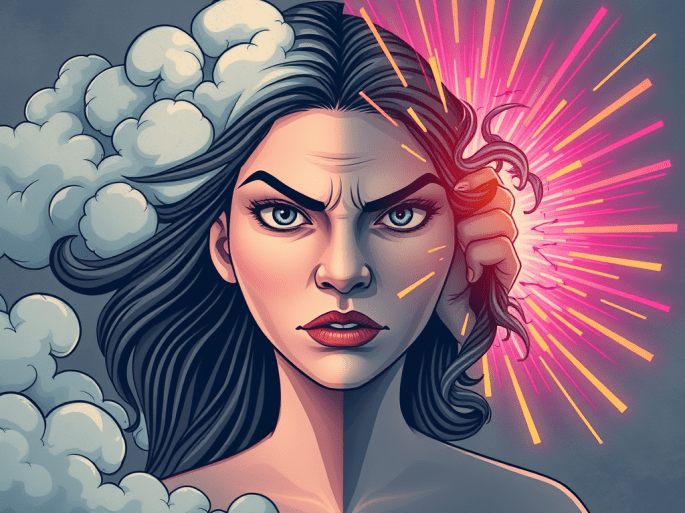
Good Monday to you!! Whew!! The days of 2025 have been flying by, January is nearly half-way over. Thirteen days into a new year and I have experienced several anxiety attacks and 2 panic attacks. You may ask me: “Aren’t they the same thing?” I would have to answer you and tell you: “Absolutely not!” 

Anxiety and panic attacks can feel overwhelming and terrifying, often hitting without warning. Whether you’re dealing with a long-standing anxiety disorder or just experiencing the occasional panic episode, or if you are a lucky duck like me, you get both, learning how to manage these attacks effectively can significantly improve your mental and emotional well-being. In this post, we’ll explore ways to cope during a panic or anxiety attack, as well as strategies for dealing with the aftereffects, often referred to as the “hangover” feeling, which can leave you feeling drained, disoriented, or emotionally worn out.

Understanding Anxiety and Panic Attacks

Anxiety attacks and panic attacks are related but distinct experiences. Anxiety attacks are usually tied to heightened worry and tension over a specific situation or set of circumstances. These attacks may build up over time and can manifest in physical symptoms like increased heart rate, muscle tension, dizziness, or irritability.

On the other hand, panic attacks occur suddenly and typically come without any clear trigger. They are often intense and overwhelming, causing shortness of breath, chest pain, rapid heartbeat, sweating, chills, and feelings of impending doom. A panic attack might make you feel as though you’re losing control or even having a heart attack, though they are not life-threatening.

While panic attacks can be deeply distressing in the moment, both types of attacks can leave emotional and physical aftereffects once they subside. This period of time, often described as a “hangover,” can make it feel even harder to cope with daily life. But with the right tools and techniques, it’s possible to better manage these episodes and reduce their impact on your day-to-day life. It may take some time and practice to experience fewer episodes, and it may even require medication, but it can be managed.

Coping Strategies During an Anxiety or Panic Attack

  1. Grounding Techniques: Grounding is one of the most effective strategies to bring your focus back to the present moment. One popular method is the 5-4-3-2-1 technique, where you engage your senses to distract your mind:
    • 5 things you can see
    • 4 things you can touch
    • 3 things you can hear
    • 2 things you can smell
    • 1 thing you can taste
  2. This method helps break the cycle of anxious thinking and can provide a sense of control during an attack.
  3. Deep Breathing: During an anxiety or panic attack, your breathing tends to become shallow or erratic. Focusing on slow, deep breaths can help calm your nervous system. Try breathing in for a count of four, holding for a count of four, and exhaling for a count of four. Repeat this process several times until you begin to feel more centered.
  4. Progressive Muscle Relaxation (PMR): PMR involves tensing and then relaxing different muscle groups in your body, starting from your toes and working up to your head. This technique helps to release the physical tension that often accompanies anxiety and panic attacks and can promote a sense of calm.
  5. Mindfulness and Self-Talk: Anxiety and panic attacks can fuel irrational thoughts. Challenge these thoughts by reminding yourself that the attack, although uncomfortable, is not life-threatening. Reassure yourself with affirmations such as, “This will pass,” or “I am safe.” Mindfulness techniques, such as focusing on your breath or engaging in a simple task, can also help to pull you out of the fight-or-flight response.
  6. Finding a Safe Space: If possible, remove yourself from the situation that is triggering the attack. Find a quiet, calm space where you can regain control of your breathing and thoughts. This may help prevent the attack from intensifying.

Managing the “Hangover” After an Anxiety or Panic Attack

After the intensity of an anxiety or panic attack subsides, many people experience lingering effects. The “hangover” of an anxiety or panic attack can include feelings of exhaustion, irritability, brain fog, and heightened sensitivity. Here are some strategies to help you manage this period:

  1. Rest and Recover: Panic and anxiety attacks can be physically and emotionally draining. Allow yourself time to rest, hydrate, and eat well to replenish your energy. Don’t be too hard on yourself if you need to take it easy for a while after an episode.
  2. Gentle Movement: While rest is important, gentle movement like stretching or a short walk can help release the remaining tension in your body. It can also boost your mood by increasing the production of endorphins, which promote feelings of well-being.
  3. Journal Your Experience: After an attack, journaling can be a helpful way to process your emotions. Write down what happened, how you felt, and any triggers that may have contributed to the episode. Reflecting on these experiences can give you insight into your anxiety and help you identify patterns, which may be useful for future coping strategies.
  4. Self-Compassion: It’s easy to fall into negative self-talk after an anxiety or panic attack, especially if you feel like you’ve lost control. Be kind to yourself and recognize that anxiety is a condition that many people experience. Acknowledge your efforts in managing the situation and give yourself credit for coping in a difficult moment.
  5. Talk to a Professional: If the hangover effects persist or interfere with your daily life, it may be helpful to speak with a therapist or counselor. Cognitive-behavioral therapy (CBT) and other therapeutic approaches are effective tools for managing anxiety and preventing future panic attacks. Additionally, if you’re not already under the care of a mental health professional, they can help you create a treatment plan tailored to your needs.

Long-Term Strategies for Managing Anxiety and Panic Attacks

While coping during an anxiety or panic attack is essential, it’s also important to develop long-term strategies for managing your overall anxiety. These may include:

  • Regular Exercise: Physical activity can help reduce overall anxiety by releasing tension, improving mood, and promoting better sleep.
  • Meditation and Mindfulness: Incorporating daily mindfulness practices can help train your mind to stay calm and present, making you less likely to be overwhelmed by anxiety.
  • Adequate Sleep: Lack of sleep can heighten anxiety. Prioritize sleep hygiene and aim for a consistent sleep schedule.
  • Healthy Lifestyle Choices: Balanced nutrition, hydration, and reducing caffeine and alcohol intake can all play a role in managing anxiety.
  • Support System: Talking with friends, family, or support groups can make you feel less isolated and more connected.

Final Thoughts

Anxiety and panic attacks can be difficult to navigate, but with practice, you can learn to manage and cope with them more effectively. By using grounding techniques, deep breathing, and other coping mechanisms, you can reduce the intensity of these attacks and feel more in control when they occur. Additionally, learning to manage the emotional and physical aftereffects—what some call the “hangover”—will help you recover and move forward more quickly.

Above all, be gentle with yourself. It’s okay to have moments where things feel out of control. What matters most is how you respond and the strategies you develop to take care of yourself in the aftermath. With time, patience, and the right tools, you can reduce the impact of anxiety and panic attacks on your life and regain a sense of peace and stability