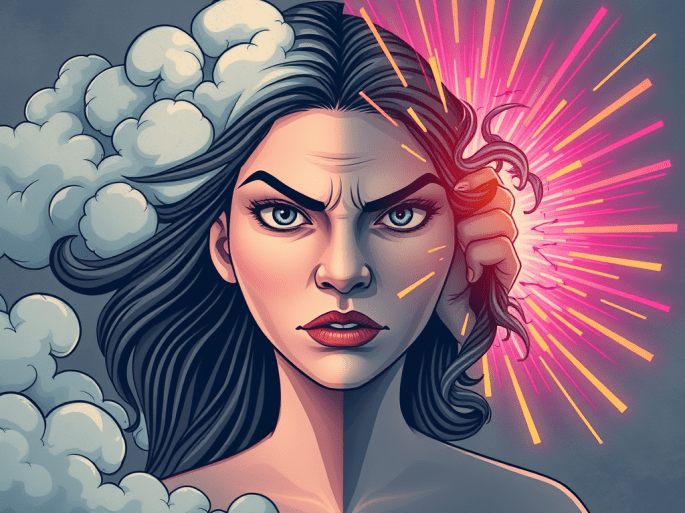
Anxiety vs Panic Attack

Good Monday to you!! Whew!! The days of 2025 have been flying by, January is nearly half-way over. Thirteen days into a new year and I have experienced several anxiety attacks and 2 panic attacks. You may ask me: “Aren’t they the same thing?” I would have to answer you and tell you: “Absolutely not!” 

Anxiety and panic attacks can feel overwhelming and terrifying, often hitting without warning. Whether you’re dealing with a long-standing anxiety disorder or just experiencing the occasional panic episode, or if you are a lucky duck like me, you get both, learning how to manage these attacks effectively can significantly improve your mental and emotional well-being. In this post, we’ll explore ways to cope during a panic or anxiety attack, as well as strategies for dealing with the aftereffects, often referred to as the “hangover” feeling, which can leave you feeling drained, disoriented, or emotionally worn out.

Understanding Anxiety and Panic Attacks

Anxiety attacks and panic attacks are related but distinct experiences. Anxiety attacks are usually tied to heightened worry and tension over a specific situation or set of circumstances. These attacks may build up over time and can manifest in physical symptoms like increased heart rate, muscle tension, dizziness, or irritability.

On the other hand, panic attacks occur suddenly and typically come without any clear trigger. They are often intense and overwhelming, causing shortness of breath, chest pain, rapid heartbeat, sweating, chills, and feelings of impending doom. A panic attack might make you feel as though you’re losing control or even having a heart attack, though they are not life-threatening.

While panic attacks can be deeply distressing in the moment, both types of attacks can leave emotional and physical aftereffects once they subside. This period of time, often described as a “hangover,” can make it feel even harder to cope with daily life. But with the right tools and techniques, it’s possible to better manage these episodes and reduce their impact on your day-to-day life. It may take some time and practice to experience fewer episodes, and it may even require medication, but it can be managed.

Coping Strategies During an Anxiety or Panic Attack

  1. Grounding Techniques: Grounding is one of the most effective strategies to bring your focus back to the present moment. One popular method is the 5-4-3-2-1 technique, where you engage your senses to distract your mind:
    • 5 things you can see
    • 4 things you can touch
    • 3 things you can hear
    • 2 things you can smell
    • 1 thing you can taste
  2. This method helps break the cycle of anxious thinking and can provide a sense of control during an attack.
  3. Deep Breathing: During an anxiety or panic attack, your breathing tends to become shallow or erratic. Focusing on slow, deep breaths can help calm your nervous system. Try breathing in for a count of four, holding for a count of four, and exhaling for a count of four. Repeat this process several times until you begin to feel more centered.
  4. Progressive Muscle Relaxation (PMR): PMR involves tensing and then relaxing different muscle groups in your body, starting from your toes and working up to your head. This technique helps to release the physical tension that often accompanies anxiety and panic attacks and can promote a sense of calm.
  5. Mindfulness and Self-Talk: Anxiety and panic attacks can fuel irrational thoughts. Challenge these thoughts by reminding yourself that the attack, although uncomfortable, is not life-threatening. Reassure yourself with affirmations such as, “This will pass,” or “I am safe.” Mindfulness techniques, such as focusing on your breath or engaging in a simple task, can also help to pull you out of the fight-or-flight response.
  6. Finding a Safe Space: If possible, remove yourself from the situation that is triggering the attack. Find a quiet, calm space where you can regain control of your breathing and thoughts. This may help prevent the attack from intensifying.

Managing the “Hangover” After an Anxiety or Panic Attack

After the intensity of an anxiety or panic attack subsides, many people experience lingering effects. The “hangover” of an anxiety or panic attack can include feelings of exhaustion, irritability, brain fog, and heightened sensitivity. Here are some strategies to help you manage this period:

  1. Rest and Recover: Panic and anxiety attacks can be physically and emotionally draining. Allow yourself time to rest, hydrate, and eat well to replenish your energy. Don’t be too hard on yourself if you need to take it easy for a while after an episode.
  2. Gentle Movement: While rest is important, gentle movement like stretching or a short walk can help release the remaining tension in your body. It can also boost your mood by increasing the production of endorphins, which promote feelings of well-being.
  3. Journal Your Experience: After an attack, journaling can be a helpful way to process your emotions. Write down what happened, how you felt, and any triggers that may have contributed to the episode. Reflecting on these experiences can give you insight into your anxiety and help you identify patterns, which may be useful for future coping strategies.
  4. Self-Compassion: It’s easy to fall into negative self-talk after an anxiety or panic attack, especially if you feel like you’ve lost control. Be kind to yourself and recognize that anxiety is a condition that many people experience. Acknowledge your efforts in managing the situation and give yourself credit for coping in a difficult moment.
  5. Talk to a Professional: If the hangover effects persist or interfere with your daily life, it may be helpful to speak with a therapist or counselor. Cognitive-behavioral therapy (CBT) and other therapeutic approaches are effective tools for managing anxiety and preventing future panic attacks. Additionally, if you’re not already under the care of a mental health professional, they can help you create a treatment plan tailored to your needs.

Long-Term Strategies for Managing Anxiety and Panic Attacks

While coping during an anxiety or panic attack is essential, it’s also important to develop long-term strategies for managing your overall anxiety. These may include:

  • Regular Exercise: Physical activity can help reduce overall anxiety by releasing tension, improving mood, and promoting better sleep.
  • Meditation and Mindfulness: Incorporating daily mindfulness practices can help train your mind to stay calm and present, making you less likely to be overwhelmed by anxiety.
  • Adequate Sleep: Lack of sleep can heighten anxiety. Prioritize sleep hygiene and aim for a consistent sleep schedule.
  • Healthy Lifestyle Choices: Balanced nutrition, hydration, and reducing caffeine and alcohol intake can all play a role in managing anxiety.
  • Support System: Talking with friends, family, or support groups can make you feel less isolated and more connected.

Final Thoughts

Anxiety and panic attacks can be difficult to navigate, but with practice, you can learn to manage and cope with them more effectively. By using grounding techniques, deep breathing, and other coping mechanisms, you can reduce the intensity of these attacks and feel more in control when they occur. Additionally, learning to manage the emotional and physical aftereffects—what some call the “hangover”—will help you recover and move forward more quickly.

Above all, be gentle with yourself. It’s okay to have moments where things feel out of control. What matters most is how you respond and the strategies you develop to take care of yourself in the aftermath. With time, patience, and the right tools, you can reduce the impact of anxiety and panic attacks on your life and regain a sense of peace and stability


Mental Health Helps: Contacts for reaching out

How to Reach Out for Help When Struggling with Mental Health: Resources for Support

Mental health struggles are incredibly personal, and sometimes reaching out for help can feel overwhelming. Whether you are struggling with anxiety, depression, substance abuse, or issues related to sexual identity, there are multiple ways to get support. Seeking help is the first step toward healing, and there are numerous resources available to assist you in moments of crisis or to simply provide a listening ear when needed.

Here’s a guide on how to access the support you deserve.

1. Immediate Help: National Hotlines and Text Services

If you are in immediate distress, there are national helplines that offer confidential and free support, 24/7. These services can provide crisis intervention, emotional support, and guide you toward further resources.

National Suicide Prevention Lifeline (USA)

This is a free, confidential, 24/7 service that provides immediate support for anyone in crisis or experiencing suicidal thoughts. They also offer resources to help with mental health struggles such as depression, anxiety, and emotional distress.

Crisis Text Line

  • Text: Text “HELLO” to 741741
  • Website: Crisis Text Line
  • Available 24/7, Crisis Text Line offers text-based crisis intervention. It’s available for anyone experiencing stress, anxiety, panic attacks, or other emotional distress. Whether it’s a small issue or a life-threatening crisis, text lines offer help wherever you are.

The Trevor Project (LGBTQ+ Crisis Support)

  • Phone: 1-866-488-7386
  • Text: Text START to 678678
  • Website: The Trevor Project
  • The Trevor Project provides crisis intervention and suicide prevention services specifically for LGBTQ+ youth, offering help in a safe, nonjudgmental space.

Substance Abuse and Mental Health Services Administration (SAMHSA)

  • Phone: 1-800-662-HELP (1-800-662-4357)
  • Website: SAMHSA Helpline
  • This is a free, confidential, 24/7 helpline for individuals and families facing mental and/or substance use disorders. SAMHSA offers referrals for treatment facilities, support groups, and more.

2. Specialized Support: Mental Health Resources for Specific Issues

For LGBTQ+ Youth:

  • PFLAG National
    • Phone: 1-202-467-8180
    • Website: PFLAG National
    • PFLAG is the first and largest organization for LGBTQ+ people, their parents, families, and allies. They offer local chapters that provide resources, support, and guidance for individuals navigating identity, especially in challenging times.

For Survivors of Sexual Abuse:

  • RAINN (Rape, Abuse & Incest National Network)
    • Phone: 1-800-656-HOPE (1-800-656-4673)
    • Online Chat: RAINN Online Chat
    • RAINN provides confidential support for survivors of sexual violence. Whether you need to speak with a counselor or are seeking help finding resources, RAINN is a trusted resource.

3. Mental Health Support Through Therapy and Counseling

If you’re feeling overwhelmed, talking to a therapist can provide professional support. There are numerous platforms that offer therapy services online or in-person. Many providers offer sliding scale fees to make counseling more affordable.

BetterHelp

  • Website: BetterHelp
  • BetterHelp is an online therapy platform where you can connect with licensed counselors through text, video calls, or phone calls. It’s a flexible option for people who may not have access to in-person therapy.

Talkspace

  • Website: Talkspace
  • Like BetterHelp, Talkspace connects you with licensed therapists for online sessions. You can access therapy through text, voice, or video chats, giving you a private and accessible way to reach out for help.

4. YouTube Resources and Mental Health Education

Sometimes, we just need a bit of guidance or even just to hear someone else’s story. YouTube has a variety of resources that offer mental health tips, coping strategies, and motivational support. Here are some helpful channels to check out:

  • Kati Morton
    • Channel: Kati Morton
    • Kati Morton is a licensed therapist who shares videos on mental health topics, ranging from anxiety and depression to relationship struggles and self-care.
  • Psychology In Seattle
    • Channel: Psychology In Seattle
    • Dr. Kirk Honda is a licensed therapist and professor who discusses real-world mental health topics, psychological theory, and personal experiences in a relatable way.
  • The Mighty
    • Channel: The Mighty
    • The Mighty shares empowering stories and educational videos on a wide range of topics, from mental health to chronic illnesses, and offers a supportive community for individuals living with disabilities and mental health challenges.

5. Local Support Groups and Services

In addition to national services, there are often local support groups that provide in-person or online gatherings. These groups can offer safe spaces to talk about your experiences and hear from others who may be going through similar struggles.

NAMI (National Alliance on Mental Illness)

  • Phone: 1-800-950-NAMI (1-800-950-6264)
  • Website: NAMI
  • NAMI offers support groups, resources, and education for individuals and families affected by mental health issues. They have local chapters across the United States that provide peer-led groups.

6. Apps for Mental Health and Wellness

Sometimes, technology can offer a supportive, non-judgmental way to practice self-care and manage mental health. Here are a few apps designed to help with mental wellness:

  • Calm
    • Website: Calm
    • Calm provides guided meditation, breathing exercises, and sleep stories to help reduce stress and promote relaxation.
  • Headspace
    • Website: Headspace
    • Headspace is another app that offers mindfulness and meditation resources to help manage anxiety, stress, and mental clarity.
  • Sanvello
    • Website: Sanvello
    • Sanvello offers a range of tools, from meditation to mood tracking and therapy. It’s designed to help with stress, anxiety, and depression.

You Are Not Alone

Struggling with your mental health can be isolating, but it’s important to remember that help is available. There is no shame in reaching out, whether it’s through a crisis hotline, therapy, or community resources. You deserve support, and these resources are here to offer just that.

Whether you’re dealing with mental health challenges, identity struggles, or substance abuse, there are people who care and who can help you navigate these tough times. Don’t hesitate to reach out—healing is possible, and taking the first step is often the hardest part. You are worth it.

The Weight of Worry

Understanding the Challenges Our Children Face: A mom’s thoughts

Can we talk about the hard stuff? It’s not just the occasional worries that gnaw at us; it’s the deep, pervasive concerns that accompany the journey of parenting. As I reflect on my experiences, I can’t help but think about the realities that many parents face today. I know people who have struggled with addiction—individuals who have turned to pills and alcohol to cope with life’s pressures, whether stemming from joy or despair. I’ve witnessed young lives teetering on the edge, grappling with challenges so overwhelming that they felt as though they had no choice but to escape from this world.

Consider this: According to the National Institute on Drug Abuse (NIDA), nearly 70% of young adults aged 18-25 have reported using alcohol in the past month, with about 16% indicating binge drinking. Furthermore, the Substance Abuse and Mental Health Services Administration (SAMHSA) found that in 2021, over 4.6 million young adults reported misusing prescription medications. These statistics remind us that our children, even when they seem resilient, are navigating a landscape fraught with peril.

As we watch our children transition from adolescence into adulthood, the reality hits hard: there comes a point when we can no longer protect them from every danger. They bear the scars of childhood scrapes and bumps, yet the fear of what lies ahead weighs heavily on our hearts.

As a mother, I often find myself plagued by doubts. Did I do enough to prepare them for the challenges of life? Will the world embrace them as they carve out their own paths? Have I equipped them with the tools to trust their instincts and steer clear of harmful situations? Will they have the courage to make sound choices, even when faced with peer pressure or societal expectations? These questions swirl in my mind, casting a shadow over the proud moments I should be savoring.

The American Psychological Association reports that around 30% of adolescents experience significant anxiety or stress related to social pressures and academic expectations. For those aged 18-25, the transition to adulthood is often riddled with anxiety about career prospects, financial independence, and relationships. As parents, we want to instill confidence and resilience, yet we must acknowledge that external factors can overwhelm even the most well-prepared young adults.

Moreover, mental health concerns are on the rise. The National Alliance on Mental Illness (NAMI) states that approximately 1 in 5 adults in the U.S. experience mental illness in a given year. This means that our children, aged 14 to 30, are at a higher risk of facing issues such as depression and anxiety, which can lead to more severe consequences if not addressed.

It’s crucial to foster an open dialogue with our children, creating a safe space where they feel comfortable sharing their struggles. We need to remind them that it’s okay to seek help and that support is always available. As parents, we must strive to be the guiding light in their lives, offering them not just advice but also unconditional love and understanding.

In moments of self-doubt, I remind myself that while I may not be able to shield my children from every hardship, I can be their anchor. I can provide them with the strength to face life’s uncertainties, encouraging them to reach out when they need support. They must know they can always come to me, no matter what challenges they encounter.

Ultimately, the journey of parenting is filled with ups and downs, and while the worries may never fully dissipate, we can arm our children with the resilience to navigate the world on their own. By fostering open communication, teaching them the importance of mental health, and instilling values that promote healthy decision-making, we can help them forge paths that lead to fulfilling lives. Let’s embrace these conversations, even when they’re difficult, and commit to being present for our children as they grow into the remarkable individuals they are meant to be.

Coping with Seasonal Affective Disorder

Strategies for Brightening the Darker Days

As the seasons change and daylight hours dwindle, many individuals experience a form of depression known as Seasonal Affective Disorder (SAD). This condition typically arises during the fall and winter months, when natural sunlight is scarce, leading to symptoms such as fatigue, irritability, changes in sleep patterns, and a general sense of sadness. If you find yourself feeling down during the colder months, here are several effective strategies to help cope with Seasonal Affective Disorder.

Understanding Seasonal Affective Disorder

Seasonal Affective Disorder is a type of depression that follows a seasonal pattern. Symptoms can vary from mild to severe and often include:

  • Low energy or fatigue
  • Difficulty concentrating
  • Changes in sleep patterns (oversleeping or insomnia)
  • Weight gain or loss due to changes in appetite
  • Feelings of hopelessness or despair

While SAD can affect anyone, it’s more prevalent in women and individuals living in northern latitudes where daylight is limited in winter.

Effective Coping Strategies

1. Light Therapy

One of the most common treatments for SAD is light therapy, which involves exposure to a special light box that mimics natural sunlight. This therapy helps regulate your body’s circadian rhythms and can alleviate symptoms. Here are some tips for effective use:

  • Duration: Aim for 20-30 minutes of exposure each morning.
  • Timing: Use the light box in the morning when you wake up, as it helps set your body’s internal clock.
  • Quality: Choose a light box that emits 10,000 lux and filters out UV rays.

2. Stay Active

Physical activity is a powerful tool against depression. Regular exercise can boost mood by increasing endorphins, improving sleep, and reducing anxiety. Here are some ways to incorporate movement into your routine:

  • Outdoor Activities: Even in colder weather, consider walking, hiking, or participating in winter sports like skiing or snowshoeing to get sunlight exposure.
  • Indoor Workouts: Join a gym, try online fitness classes, or practice yoga at home to stay active regardless of the weather. There are a number of apps and Youtube channels for indoor workouts.

3. Maintain a Routine

I cannot stress routine enough when experiencing mental health issues. Establishing a daily routine can provide structure and stability, which can be especially helpful during the winter months. Here’s how to create an effective routine:

  • Regular Sleep Schedule: Go to bed and wake up at the same time each day to regulate your circadian rhythm. It is so easy to get a routine disrupted by a late night on the weekends, and it is ok to have a late night, but don’t let it derail your routine. 
  • Meal Planning: Prepare balanced meals at consistent times to help manage energy levels and mood.Meal planning may seem daunting at first, but it can be as simple or as complicated as you would like. 

4. Connect with Nature

Getting outside, even on cloudy days, can have a positive effect on your mood. Here are some ideas:

  • Nature Walks: Take short walks in a local park or nature reserve. The natural surroundings can be uplifting.
  • Gardening: If possible, try indoor gardening or plan for spring gardening to keep your connection to nature alive.

5. Nurture Social Connections

Social support is crucial for mental health. Stay connected with friends and family, and don’t hesitate to reach out for help or companionship:

  • Regular Check-Ins: Schedule regular calls or video chats with loved ones. You can let them know you are struggling or just simply enjoy a nice chat, either way, making it a point to stay connected is crucial. 
  • Join Groups: Consider participating in community activities, classes, or support groups to meet new people. This can mean even groups on social media. It is not a new idea per se but even our online friends can be points of connection for those who may also struggle with being introverted or very private people. 

6. Mindfulness and Relaxation Techniques

Practicing mindfulness can help you stay grounded and reduce feelings of anxiety and sadness. Here are some techniques to try:

  • Meditation: Start with just a few minutes a day, gradually increasing the duration as you become more comfortable. Try a podcast or youtube video to help get you started and then you can strike out on your own or continue with guided meditation.
  • Deep Breathing Exercises: Simple deep breathing can help calm your mind and reduce stress. It sounds silly, to tell people to breathe, we do it involuntarily all day long, but deep breathing is different. You concentrate on taking deep cleansing breaths and exhaling as much as possible. It really can help to soothe you.

7. Consider Professional Help

If symptoms are severe or persistent, seeking professional help is essential. Therapy options include:

  • Cognitive Behavioral Therapy (CBT): This approach can help you identify and change negative thought patterns.
  • Medication: Antidepressants may be recommended by your healthcare provider if other treatments are ineffective.

In parting, please remember:

Coping with Seasonal Affective Disorder requires a multifaceted approach, combining light therapy, physical activity, social support, and mindfulness practices. By implementing these strategies, you can create a more positive experience during the darker months. Remember, you’re not alone, and there are resources available to help you navigate SAD. If your symptoms persist, don’t hesitate to seek support from a mental health professional. Embrace the changes of the season and find ways to bring light into your life!

Here’s a list of helpful YouTube channels and podcasts that focus on coping with Seasonal Affective Disorder (SAD) and mental wellness:

YouTube Channels

  1. Therapy in a Nutshell
    YouTube Channel
    Offers practical tips for mental health, including coping strategies for SAD.
  2. The School of Life
    YouTube Channel
    Provides insights on emotional well-being, including seasonal mood changes.
  3. Kati Morton
    YouTube Channel
    A licensed therapist discussing mental health topics, including SAD.
  4. Mindful Peace
    YouTube Channel
    Focuses on mindfulness and meditation techniques that can help with mood regulation.
  5. Psychology In Seattle
    YouTube Channel
    Discusses mental health topics, including the effects of seasons on mood.

Podcasts

  1. Therapy Chat
    Podcast Link
    Discusses various mental health issues, including seasonal affective disorder.
  2. The Happiness Lab
    Podcast Link
    Explores the science of happiness and well-being, with episodes relevant to coping with seasonal changes.
  3. Mindful Muslim Podcast
    Podcast Link
    Focuses on mental wellness and coping strategies, including managing seasonal affective disorder.
  4. The Anxiety Coaches Podcast
    Podcast Link
    Offers insights on managing anxiety, which can be heightened by SAD.
  5. The Trauma Therapist Podcast
    Podcast Link
    While focused on trauma, it provides useful strategies for emotional health that can apply to SAD.

Feel free to explore these resources for support and strategies to cope with Seasonal Affective Disorder!

Navigating life -Steps you can take

Getting through the tough times – Steps you can take

If you have seen my previous posts, you know a bit of what we have been through and ways that I have tried to help my family cope with various struggles. Although I gave birth to 5 children, I also have had the honor to be a safe adult for several other children in my life-time. Meaning they either lived with me or were always coming to me to help them through difficult times. They are mostly adults now and still have struggles, but because they learned some coping skills, the struggles are not as difficult. This blog is to serve as a help in the conversation about mental health. It is filled with what has worked for us and what we tried. Mental health issues are not really a one size fits all, some meds will work for some and not so well for others. Therapy with a professional can be beneficial for everyone but takes time. What can be beneficial is to not stop trying, to keep looking for what works for you and your family. I will always advocate for being mindful of what you are CONSUMING, that means food, entertainment, information, social media, it will all have an effect on your mental health. Keeping all of this in mind, the following is a post about steps you can take while on your mental health journey. 

Are you someone who needs quiet? DO you crave some quiet alone time in your day to process, prepare or recuperate from your day? Here are some things that help with getting that little slice of quiet.

  1. Get up earlier than the rest of the family- I know it sounds hard but it can be beneficial for you to start your morning mentally preparing yourself for the day. You can have a quiet cup of coffee or listen to a bit of calming music, do your morning stretches, read your Bible, just some quiet “just me” time that is calm
  2. Stay up a bit later than everyone else. Yes, I did this quite a bit. In the evening you can also do some skincare, a soak in the tub, again music to wind down, reading a book or Bible study. I don’t recommend exercise before bedtime because the feel good hormones that are released actually serve to wake you up and you will not be going to sleep soon afterwards. 
  3. If you are a parent that has to pick up the kids, read while waiting in the pick up line. If you have to commute, listen to a podcast or audiobook. This isn’t entirely quiet, but it is a bit of time carved out for you to do something that is just for you. 

Do you feel like you just want to cry sometimes? Yeah, me too. Crying can be a beneficial emotional release, serving as a natural mechanism to process and alleviate stress or sadness. My husband will sometimes intentionally take time to watch something that he knows will make him cry, because he says it is cleansing. I agree it can be cleansing, but I am not set up to do what my husband does. I am that mom that has avoided the final episode of Supernatural because I knew the ending would be sad. I didn’t know the details BUT I just KNEW it would make me cry, all endings like that on tv shows make me cry. It’s over. No more. So yeah, I cried. I cried when I was going through Grey’s. I didn’t need to intentionally look for stuff, sometimes the news made me cry. Crying is normal and healthy. Sometimes it is overwhelming sadness and other times tears accompany great joy! 

When tears do flow, they often help to release pent-up emotions and can even trigger the release of endorphins, which act as natural painkillers and mood enhancers. To make the most of this cathartic experience, it’s useful to follow a few steps:

  1. Allow yourself to cry without judgment; acknowledging and accepting your emotions can lead to a more profound emotional release. 
  1. Find a safe and supportive environment where you can express yourself freely.
  1. After the tears have subsided, engage in self-care activities such as deep breathing, journaling, or talking to a trusted friend, to help you process the experience and regain a sense of balance. Embracing crying as a part of your emotional toolkit can foster resilience and lead to greater overall well-being.

We get to cry, however if you find yourself crying often and easily, then perhaps medical or therapeutic interventions should be pursued. 

The most important thing you can do for yourself or to help anyone who may struggle is to connect. Talk to someone or listen to someone when struggling. Connection to others has been proven to be the most vital aspect of mental health. 

Here’s a list of key contacts and resources for those struggling with mental health issues. It’s important to reach out to professionals or organizations that can provide support and guidance.

 Emergency Contacts:

1. National Suicide Prevention Lifeline (U.S.): 1-800-273-TALK (8255)  

   – Available 24/7 for crisis support.

2. Crisis Text Line: Text HOME to 741741  

   – Provides 24/7 support via text.

3. Emergency Services (U.S.): Dial 911  

   – For immediate assistance in a crisis situation. Ensure they operator is aware it is a mental health emergency

General Support:

1. NAMI (National Alliance on Mental Illness): 1-800-950-NAMI (6264)  

   – Provides information, support, and resources for mental health.

2. Mental Health America (MHA): 1-800-969-6642  

   – Offers mental health resources and support.

3. SAMHSA (Substance Abuse and Mental Health Services Administration): 1-800-662-HELP (4357)  

   – Provides information and referrals for mental health and substance use disorders.

Online Resources:

1. 7 Cups: [7cups.com](https://www.7cups.com)  

   – Offers free, anonymous online counseling and support.

2. BetterHelp: [betterhelp.com](https://www.betterhelp.com)  

   – Provides online therapy with licensed professionals.

3. Headspace: [headspace.com](https://www.headspace.com)  

   – Offers mindfulness and meditation resources.

International Contacts:

1. Samaritans (UK & Ireland): 116 123  

   – Offers support 24/7 for those in emotional distress.

2. Lifeline Australia: 13 11 14  

   – Provides 24/7 crisis support.

3. Crisis Services Canada: 1-833-456-4566  

   – Offers support through phone and text.

Remember, it’s essential to seek professional help if you or someone you know is struggling. These resources are a good starting point for finding the support needed. And remember the best lesson from Finding Nemo comes from Dory: “Just keep swimming” Make it a great day folks, the choice is in your hands.