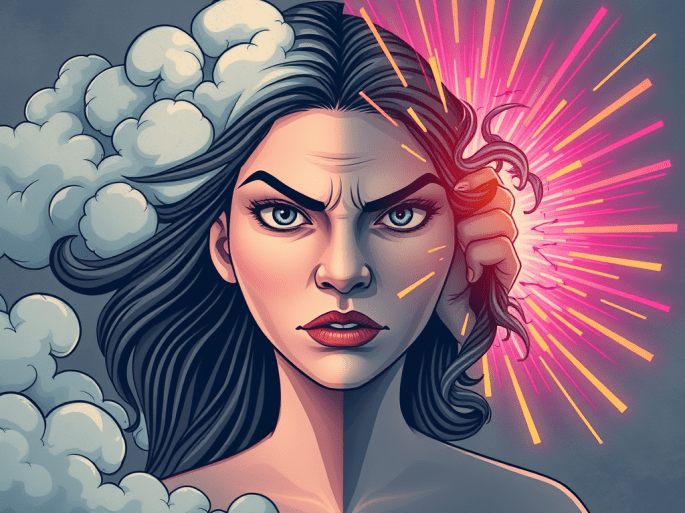
Finding Calm When Feeling Stuck

What can you do when you feel helpless? Maybe your job search is dragging out and you feel like it’s never-ending, maybe your kid is sick and you don’t have answers to why, maybe things are rough in a friendship, family, or marriage and you have done every possible thing you know to do….what can you do next? What will be helpful?

It can be hard to feel helpless. To have to be still and wait for answers or just waiting at all can take so much energy. When things feel out of your control, and you’ve already tried everything you can think of, it’s easy to feel stuck, like there’s no next step. But there are ways to move forward, even if they’re small steps.

I do want to say I think it’s key to acknowledge that it’s okay to not have all the answers or to feel like you’ve reached a limit. Feeling helpless is a very human experience, and being kind to yourself during that time is huge. When you’re in a tough spot, here are some things that might help:

  1. Take a Break and Breathe: Sometimes, when we’re so deep in the weeds of a difficult situation, we forget to step back and take a breather. It doesn’t mean ignoring the issue, but giving yourself a moment of mental clarity to recharge. Simple practices like deep breathing, meditation, or even taking a walk can reset your nervous system and give you a fresh perspective.
  2. Talk to Someone You Trust: Whether it’s a friend, family member, or a therapist, sharing how you’re feeling can be a huge relief. Sometimes just verbalizing the weight of everything you’re carrying can make it feel lighter. You don’t need someone to have all the answers – you just need someone who will listen. And sometimes maybe you just talk to yourself. Yup. I said it, talk to yourself, sometimes saying things out loud helps you to feel better about the in between, the waiting, the PAUSE if you will. 
  3. Let Go of What’s Beyond Your Control: It’s difficult, but part of feeling helpless comes from trying to control everything. If you’ve done everything you can and you’re still not seeing results, sometimes the best thing you can do is surrender a bit. Trust that things will work out in their own time. It’s not giving up – it’s giving yourself permission to stop shouldering the weight of things you can’t fix right now.
  4. Focus on Small Wins: If the big picture feels overwhelming, try to break things down into smaller, more manageable pieces. Is there one small action you can take today to improve your situation, even just a little? Maybe that’s applying for one more job, researching new treatment options for your child, or reaching out to a friend to have a real conversation about what’s going on.
  5. Seek New Resources or Perspectives: Sometimes we can feel stuck because we’re too close to a problem, or we’ve exhausted the usual ways of looking at it. Maybe it’s time to seek out a new perspective – whether that’s reading a book on personal growth, talking to a mentor, or exploring new treatment options or support groups for your situation.
  6. Practice Patience and Self-Compassion: Growth or healing isn’t always linear. Sometimes things get worse before they get better, and that’s hard to deal with when you’re in the middle of it. Being gentle with yourself during these moments and remembering that things won’t always feel like this can help maintain hope.

All is not lost

Getting Back on Track: Embrace the Challenge and Reboot with Confidence

We’ve all been there. You set out with the best of intentions—whether it’s landing that dream job, sticking to a workout routine, eating healthier, or forming any positive habit—but somehow, life happens, and we get off track. It’s easy to feel frustrated, overwhelmed, or even defeated when we stray from our goals. But here’s the thing: we’re never too old to reboot, and it’s never too late to pick ourselves back up and keep moving forward.

1. Acknowledge the Setback, But Don’t Dwell on It

The first step in getting back on track is simply acknowledging that you’ve fallen off course. Whether it’s a job search that’s been stalled, a fitness routine that’s been abandoned, or a healthy eating plan that’s been pushed to the back burner, it’s important to be kind to yourself. Life is full of setbacks and distractions, and that’s normal. We’re all human, after all. It is important to remember that even if you WERE a robot, they require maintenance too, and so will you. So be gentle with yourself, dear reader.

Instead of focusing on guilt or disappointment, treat this moment as an opportunity to reassess, reflect, and restart. Acknowledge where you are, but don’t get stuck there.

2. Break It Down Into Smaller, Manageable Steps

Once you’ve given yourself grace, the next step is to make your goal feel more achievable. Trying to dive straight back into a long-term objective can be overwhelming. Whether you’re resuming your job hunt, picking up weights at the gym again, or preparing a healthy meal, start small.

  • If you’re searching for a job, instead of feeling the pressure to apply for dozens of positions in a single day, aim for one or two quality applications each day.
  • For fitness, instead of committing to an hour-long workout, start with a short 15-minute routine that’s manageable and builds momentum.
  • When it comes to healthy eating, focus on one meal at a time rather than trying to overhaul your entire diet in one go.

By breaking your goals down, you not only make them more achievable but also start gaining momentum and confidence.

3. Face Challenges, Face Rejection, and Keep Going

One of the most difficult aspects of any journey is facing setbacks, whether it’s rejection during a job search, missed workouts, or slipping back into old eating habits. Rejection and failure can be painful, but they are also powerful teachers. They show us where we can improve and where we can pivot.

Don’t let a rejection define you—whether from an employer or a failure in sticking to a habit. Use it as fuel for growth. Each time you face a challenge, you build resilience and strength. When the going gets tough, that’s when the true growth happens.

4. Keep Your Eyes on Progress, Not Perfection

As you reboot, remember that perfection isn’t the goal. The goal is progress. Whether it’s landing your next job, regaining your fitness, or simply eating more balanced meals, progress, no matter how small, is worth celebrating. Be proud of each step forward. And if you slip up, don’t give up altogether. Success isn’t linear, and growth comes with its ups and downs.

Sometimes, even a tiny change in perspective can make a world of difference. Instead of focusing on the times you’ve missed the mark, focus on how far you’ve come since you started. Each day is an opportunity to take one more step closer to your goals.

5. Embrace Lifelong Growth

One of the most empowering truths we can adopt is that we’re never too old to learn, to evolve, or to start something new. Whether you’re venturing into a new career path, challenging yourself with a new workout, or discovering healthier ways to nourish your body, there’s always room for growth.

Being open to new experiences, learning from challenges, and continuing to improve—no matter our age or where we are in life—creates a richer, more fulfilling life.

In Conclusion: Keep Rebooting, Keep Moving

No matter where you are in your journey, remember this: setbacks don’t define your success. Rebooting doesn’t mean you’ve failed; it means you’re still on your way. Challenges, rejections, and obstacles are all part of the process, and they don’t stop us from growing. The most important thing is to keep going, to keep learning, and to keep striving to be better than you were yesterday.

So if you’ve fallen off track, it’s okay. You’re not alone, and you have the power to restart. Take that first step today—because progress begins with one small action.

Just a bad day, not a bad life

When the Universe Feels Like It’s Conspiring Against You: How to Cope on Bad Days

We’ve all been there—one day, you’re on top of the world, ticking off tasks like a productivity machine, and the next day, it feels like the universe is suddenly conspiring against you. Nothing goes right, every little thing seems like a mountain, and you wonder how you’re supposed to keep moving forward. The thing is, bad days don’t mean a bad life. It’s easy to get stuck in that moment, but when the walls feel like they’re closing in, there are ways to navigate the storm.

Let’s go over a few simple but powerful ways to cope with those tough days, and remember, this too shall pass.

1. Breathe, Seriously. Breathe

When stress starts to mount and the weight of the world feels heavy on your shoulders, it’s natural to tighten up, hold your breath, or start breathing shallowly. But guess what? Breathing is a simple tool that’s always available to you, and it works wonders for resetting your mind and body.

Try this: Close your eyes, and take a deep breath in through your nose for a count of four, hold it for a count of four, then slowly release it through your mouth for a count of six. Do this for a few minutes. This simple breathing technique can help lower your heart rate, reduce anxiety, and give you a mental reset, allowing you to move forward with a clearer mind.

2. Be Gentle with Yourself

We often put so much pressure on ourselves to perform perfectly every single day, and when we don’t, it can feel like a personal failure. But here’s the thing: You are allowed to have bad days. Everyone has them. They don’t define you. Be gentle with yourself. Recognize that you’re doing the best you can in the moment, and sometimes, the most productive thing you can do is show yourself compassion.

If things aren’t going well, take a step back and say to yourself, “It’s okay to not be okay right now.” Give yourself permission to rest and take a break. Perfection is not the goal; progress is.

3. Take a Short Walk

If you’ve been sitting in one place for too long or your thoughts are racing, sometimes the best remedy is to get up and move. Even just a short walk outside—whether it’s around the block or in your backyard—can shift your energy. Nature has a grounding effect, and the rhythm of walking can help clear your mind and release pent-up tension.

If you’re stuck indoors, consider walking around your home or office for a few minutes. A change of scenery and some movement can be a small but effective way to reset your mind and shift your perspective.

4. Stretch It Out

Stress can manifest physically in our bodies. Tight shoulders, clenched jaws, and stiff necks are just a few signs that tension has taken root. A few simple stretches can help release some of that physical stress. Try doing some gentle neck rolls, shoulder shrugs, or standing stretches. If you’re able to, a quick yoga session can work wonders, focusing on stretches that open up your chest and relieve back tension.

The key here is to listen to your body—don’t push yourself too hard, but give yourself the space to release what’s no longer serving you.

5. Take a Mental Break

Sometimes, the most helpful thing you can do on a bad day is simply step away from the stressor, even if only for a few minutes. If you’re bogged down by work or a difficult situation, give yourself permission to take a mental break. Whether that’s stepping outside for fresh air, grabbing a cup of tea, or listening to some calming music, the break can help reset your mental state.

Remember, your productivity will often be much higher when you allow yourself to step away from the stress momentarily, rather than pushing through and exhausting yourself.

6. Reach Out for Support

Bad days don’t have to be faced alone. Sometimes, just talking to a friend, family member, or colleague can help alleviate the burden of a tough situation. Don’t hesitate to reach out when you’re feeling overwhelmed. Whether it’s venting or getting advice, a supportive conversation can bring a fresh perspective and remind you that you’re not in this alone.

7. Focus on What You Can Control

When everything feels out of your hands, it can be helpful to focus on the things you can control. Is there something small you can do right now that will help you feel more grounded or accomplished? Sometimes, taking just one step forward—whether it’s organizing your desk, finishing one small task, or even just drinking a glass of water—can give you a sense of agency and start to lift your mood.

8. End the Day with Gratitude

No matter how challenging the day has been, there’s always something to be grateful for. Before you go to bed, take a moment to reflect on what went well, however small it may be. Maybe you handled a difficult conversation, or you took the time to rest when you needed it. Remind yourself that even bad days are full of lessons and opportunities for growth.


Wrapping Up: Bad Day, Not a Bad Life

When it feels like the universe is working against you, take a deep breath, show yourself some compassion, and give yourself the gift of rest and perspective. Every day, no matter how hard, is a step forward. Bad days are just that—days—and they will pass. With small tools like breathing, stretching, walking, and focusing on what you can control, you can manage the stress and come out on the other side stronger.

Remember, this too shall pass. And on the days when it feels like you’re overwhelmed, remind yourself that a bad day does not define you. You’ve got this!

Anxiety vs Panic Attack

Good Monday to you!! Whew!! The days of 2025 have been flying by, January is nearly half-way over. Thirteen days into a new year and I have experienced several anxiety attacks and 2 panic attacks. You may ask me: “Aren’t they the same thing?” I would have to answer you and tell you: “Absolutely not!” 

Anxiety and panic attacks can feel overwhelming and terrifying, often hitting without warning. Whether you’re dealing with a long-standing anxiety disorder or just experiencing the occasional panic episode, or if you are a lucky duck like me, you get both, learning how to manage these attacks effectively can significantly improve your mental and emotional well-being. In this post, we’ll explore ways to cope during a panic or anxiety attack, as well as strategies for dealing with the aftereffects, often referred to as the “hangover” feeling, which can leave you feeling drained, disoriented, or emotionally worn out.

Understanding Anxiety and Panic Attacks

Anxiety attacks and panic attacks are related but distinct experiences. Anxiety attacks are usually tied to heightened worry and tension over a specific situation or set of circumstances. These attacks may build up over time and can manifest in physical symptoms like increased heart rate, muscle tension, dizziness, or irritability.

On the other hand, panic attacks occur suddenly and typically come without any clear trigger. They are often intense and overwhelming, causing shortness of breath, chest pain, rapid heartbeat, sweating, chills, and feelings of impending doom. A panic attack might make you feel as though you’re losing control or even having a heart attack, though they are not life-threatening.

While panic attacks can be deeply distressing in the moment, both types of attacks can leave emotional and physical aftereffects once they subside. This period of time, often described as a “hangover,” can make it feel even harder to cope with daily life. But with the right tools and techniques, it’s possible to better manage these episodes and reduce their impact on your day-to-day life. It may take some time and practice to experience fewer episodes, and it may even require medication, but it can be managed.

Coping Strategies During an Anxiety or Panic Attack

  1. Grounding Techniques: Grounding is one of the most effective strategies to bring your focus back to the present moment. One popular method is the 5-4-3-2-1 technique, where you engage your senses to distract your mind:
    • 5 things you can see
    • 4 things you can touch
    • 3 things you can hear
    • 2 things you can smell
    • 1 thing you can taste
  2. This method helps break the cycle of anxious thinking and can provide a sense of control during an attack.
  3. Deep Breathing: During an anxiety or panic attack, your breathing tends to become shallow or erratic. Focusing on slow, deep breaths can help calm your nervous system. Try breathing in for a count of four, holding for a count of four, and exhaling for a count of four. Repeat this process several times until you begin to feel more centered.
  4. Progressive Muscle Relaxation (PMR): PMR involves tensing and then relaxing different muscle groups in your body, starting from your toes and working up to your head. This technique helps to release the physical tension that often accompanies anxiety and panic attacks and can promote a sense of calm.
  5. Mindfulness and Self-Talk: Anxiety and panic attacks can fuel irrational thoughts. Challenge these thoughts by reminding yourself that the attack, although uncomfortable, is not life-threatening. Reassure yourself with affirmations such as, “This will pass,” or “I am safe.” Mindfulness techniques, such as focusing on your breath or engaging in a simple task, can also help to pull you out of the fight-or-flight response.
  6. Finding a Safe Space: If possible, remove yourself from the situation that is triggering the attack. Find a quiet, calm space where you can regain control of your breathing and thoughts. This may help prevent the attack from intensifying.

Managing the “Hangover” After an Anxiety or Panic Attack

After the intensity of an anxiety or panic attack subsides, many people experience lingering effects. The “hangover” of an anxiety or panic attack can include feelings of exhaustion, irritability, brain fog, and heightened sensitivity. Here are some strategies to help you manage this period:

  1. Rest and Recover: Panic and anxiety attacks can be physically and emotionally draining. Allow yourself time to rest, hydrate, and eat well to replenish your energy. Don’t be too hard on yourself if you need to take it easy for a while after an episode.
  2. Gentle Movement: While rest is important, gentle movement like stretching or a short walk can help release the remaining tension in your body. It can also boost your mood by increasing the production of endorphins, which promote feelings of well-being.
  3. Journal Your Experience: After an attack, journaling can be a helpful way to process your emotions. Write down what happened, how you felt, and any triggers that may have contributed to the episode. Reflecting on these experiences can give you insight into your anxiety and help you identify patterns, which may be useful for future coping strategies.
  4. Self-Compassion: It’s easy to fall into negative self-talk after an anxiety or panic attack, especially if you feel like you’ve lost control. Be kind to yourself and recognize that anxiety is a condition that many people experience. Acknowledge your efforts in managing the situation and give yourself credit for coping in a difficult moment.
  5. Talk to a Professional: If the hangover effects persist or interfere with your daily life, it may be helpful to speak with a therapist or counselor. Cognitive-behavioral therapy (CBT) and other therapeutic approaches are effective tools for managing anxiety and preventing future panic attacks. Additionally, if you’re not already under the care of a mental health professional, they can help you create a treatment plan tailored to your needs.

Long-Term Strategies for Managing Anxiety and Panic Attacks

While coping during an anxiety or panic attack is essential, it’s also important to develop long-term strategies for managing your overall anxiety. These may include:

  • Regular Exercise: Physical activity can help reduce overall anxiety by releasing tension, improving mood, and promoting better sleep.
  • Meditation and Mindfulness: Incorporating daily mindfulness practices can help train your mind to stay calm and present, making you less likely to be overwhelmed by anxiety.
  • Adequate Sleep: Lack of sleep can heighten anxiety. Prioritize sleep hygiene and aim for a consistent sleep schedule.
  • Healthy Lifestyle Choices: Balanced nutrition, hydration, and reducing caffeine and alcohol intake can all play a role in managing anxiety.
  • Support System: Talking with friends, family, or support groups can make you feel less isolated and more connected.

Final Thoughts

Anxiety and panic attacks can be difficult to navigate, but with practice, you can learn to manage and cope with them more effectively. By using grounding techniques, deep breathing, and other coping mechanisms, you can reduce the intensity of these attacks and feel more in control when they occur. Additionally, learning to manage the emotional and physical aftereffects—what some call the “hangover”—will help you recover and move forward more quickly.

Above all, be gentle with yourself. It’s okay to have moments where things feel out of control. What matters most is how you respond and the strategies you develop to take care of yourself in the aftermath. With time, patience, and the right tools, you can reduce the impact of anxiety and panic attacks on your life and regain a sense of peace and stability

New Year, New book list

2025 Reading List: 12-24 Books to Entertain, Educate, and Empower Your Year

As we step into 2025, it’s the perfect time to embrace books that not only entertain but also inspire self-improvement, cultivate new perspectives, and foster growth. Whether you’re a seasoned reader or just beginning your literary journey, this year’s reading list is a mix of diverse genres that offer something for everyone—from thrilling page-turners to life-changing non-fiction. Let’s make 2025 a year of reading better and doing better!


1. The Seven Husbands of Evelyn Hugo by Taylor Jenkins Reid

Genre: Historical Fiction
Synopsis: This captivating novel follows the glamorous life of a reclusive Hollywood icon, Evelyn Hugo, who finally agrees to tell the truth about her seven marriages and the sacrifices she made for fame and love. With vivid storytelling and a dash of mystery, this book explores themes of identity, love, and the price of success.

Why it makes the cut: It’s a compelling tale about the complexities of fame and identity, offering readers a glimpse into the sacrifices made in the pursuit of greatness. It’s perfect for those who enjoy powerful female characters and intricate relationships.


2. Atomic Habits by James Clear

Genre: Self-Help / Non-fiction
Synopsis: James Clear’s best-selling book delves into the science of habit formation and how tiny changes can lead to significant improvements in your life. By focusing on small, incremental habits, Clear outlines how to break bad habits and form good ones.

Why it makes the cut: A must-read for anyone looking to make lasting changes in their life. Clear’s insights are actionable, motivational, and transformative, setting you up for a productive and fulfilling 2025.


3. The Midnight Library by Matt Haig

Genre: Fiction / Fantasy
Synopsis: In this thought-provoking novel, Nora Seed finds herself in the Midnight Library, a place between life and death, where she gets to explore alternate versions of her life. With each book she opens, she experiences what her life could have been like if she had made different choices.

Why it makes the cut: A beautifully written exploration of regret, purpose, and the infinite possibilities life offers. It’s a story of second chances and reminds readers that it’s never too late to change direction.


4. Where the Crawdads Sing by Delia Owens

Genre: Mystery / Drama
Synopsis: Set in the swamps of North Carolina, this bestselling novel follows Kya Clark, a young girl abandoned by her family, who grows up isolated in the wild. When a local man is found dead, Kya becomes the prime suspect, leading to a suspenseful exploration of love, survival, and the natural world.

Why it makes the cut: A gripping mystery with poetic prose and themes of resilience, connection, and nature’s healing power. It’s a perfect choice for fans of atmospheric settings and emotional depth.


5. The Song of Achilles by Madeline Miller

Genre: Mythological Fiction
Synopsis: Retelling the story of Achilles and Patroclus, Madeline Miller’s modern adaptation of Greek mythology brings their legendary love story to life. With breathtaking prose, it blends romance, tragedy, and heroism in a retelling that resonates with contemporary readers.

Why it makes the cut: This novel brings classic mythology into the modern world with a beautiful narrative. It’s a poignant tale about love, fate, and the human cost of war that will leave you reflecting long after the last page.


6. Educated by Tara Westover

Genre: Memoir
Synopsis: Tara Westover’s memoir tells the inspiring story of her upbringing in a strict, survivalist family in rural Idaho. Despite her lack of formal education, she eventually escapes her upbringing to pursue learning, eventually earning a PhD from Cambridge University.

Why it makes the cut: A powerful, transformative story that showcases the importance of education, resilience, and self-discovery. It’s a reminder that the pursuit of knowledge can change lives.


7. The Invisible Life of Addie LaRue by V.E. Schwab

Genre: Fantasy
Synopsis: In this novel, Addie LaRue makes a Faustian bargain for immortality, only to be forgotten by everyone she meets. Over 300 years, she experiences a life of solitude and longing until she meets a man who remembers her.

Why it makes the cut: A beautifully written exploration of loneliness, identity, and the human desire to leave a mark on the world. Addie’s journey through history and time is both poignant and magical.


8. The Alchemist by Paulo Coelho

Genre: Fiction / Philosophy
Synopsis: A young shepherd named Santiago embarks on a journey to find a hidden treasure, only to discover that the true treasure lies in the wisdom and experiences gained along the way.

Why it makes the cut: This timeless fable is perfect for those looking for inspiration and motivation. It teaches readers to pursue their dreams, trust their instincts, and listen to the whispers of their hearts.


9. The Book Thief by Markus Zusak

Genre: Historical Fiction
Synopsis: Narrated by Death, this novel takes place during World War II in Nazi Germany and follows Liesel Meminger, a young girl who steals books to escape the harsh realities of her life. Through the power of words, she finds hope and connection.

Why it makes the cut: A poignant and deeply moving story about the power of stories and the resilience of the human spirit. It’s a beautifully written exploration of love, loss, and survival in the face of war.


10. Circe by Madeline Miller

Genre: Mythology / Fantasy
Synopsis: This retelling of the Greek myth of Circe, the powerful witch who transforms men into pigs, explores her complex character and the forces that shaped her. It’s a tale of self-discovery, transformation, and rebellion against the gods.

Why it makes the cut: Madeline Miller’s lyrical prose brings a fresh and feminist perspective to an ancient myth. It’s an exploration of power, identity, and the consequences of breaking societal norms.


11. The Four Agreements by Don Miguel Ruiz

Genre: Philosophy / Self-Help
Synopsis: Based on ancient Toltec wisdom, this book outlines four simple yet profound agreements that can guide us to a life of freedom and happiness: Be impeccable with your word, Don’t take anything personally, Don’t make assumptions, and Always do your best.

Why it makes the cut: It’s a life-changing book that offers practical wisdom for living with clarity, peace, and authenticity. Perfect for anyone looking to transform their mental and emotional habits.


12. Project Hail Mary by Andy Weir

Genre: Science Fiction
Synopsis: Ryland Grace wakes up alone on a spaceship with no memory of how he got there, and discovers that he is humanity’s last hope. He must solve a series of complex scientific challenges in order to save Earth from extinction.

Why it makes the cut: For fans of The Martian, this is another fast-paced, highly engaging novel by Andy Weir. It’s a thrilling, witty, and heart-pounding ride that blends science with adventure.


13. The Four Winds by Kristin Hannah

Genre: Historical Fiction
Synopsis: Set during the Great Depression, The Four Winds follows Elsa Martinelli as she navigates the hardships of life in Texas during the Dust Bowl. The novel portrays a woman’s strength as she fights for survival and her family’s future.

Why it makes the cut: Kristin Hannah is known for her emotionally compelling stories, and this one is no exception. It’s an inspiring novel about courage, sacrifice, and the will to survive against all odds.


14. Sapiens: A Brief History of Humankind by Yuval Noah Harari

Genre: Non-fiction / History
Synopsis: Harari’s bestselling book takes readers on a journey through the history of humanity, from the earliest days of Homo sapiens to the present, offering insights into how our species has shaped the world.

Why it makes the cut: It’s a thought-provoking, eye-opening exploration of human history that will change the way you think about our place in the world. A great read for those who want to learn and grow through knowledge.


15. The Night Circus by Erin Morgenstern

Genre: Fantasy
Synopsis: A magical, immersive tale about two young illusionists, Celia and Marco, who are bound in a mystical competition set in a magical circus. As they compete, the circus itself becomes a battleground for their powers.

Why it makes the cut: For fans of magical realism, this enchanting story is a spellbinding blend of mystery, romance, and magic. The vivid, atmospheric setting and complex characters will captivate you.


16. Big Magic by Elizabeth Gilbert

Genre: Creativity / Self-help
Synopsis: Elizabeth Gilbert shares her thoughts on creativity and how to embrace your own creative potential without fear or hesitation. Big Magic encourages readers to follow their passions and let their creativity flow freely.

Why it makes the cut: It’s a motivational read for anyone looking to cultivate creativity and live a more vibrant, inspired life. Whether you’re an artist or simply someone looking to inject more creativity into your daily life, this book will help you get started.


17. The Art of Happiness by Dalai Lama and Howard Cutler

Genre: Philosophy / Self-help
Synopsis: A collaboration between the Dalai Lama and psychiatrist Howard Cutler, this book explores the nature of happiness and how we can train our minds to cultivate it.

Why it makes the cut: A timeless exploration of the mind and heart, The Art of Happiness provides simple but profound insights into living a fulfilled life. It’s a perfect read for anyone seeking more peace and joy in their lives.


18. A Little Life by Hanya Yanagihara

Genre: Literary Fiction
Synopsis: This emotionally devastating novel follows the lives of four college friends, focusing on one of them, Jude, whose painful past slowly unravels over the years.

Why it makes the cut: Deeply moving, this book offers a profound exploration of trauma, friendship, and survival. It’s not for the faint of heart, but its emotional power and beautiful prose make it unforgettable.


19. A Man Called Ove by Fredrik Backman

Genre: Fiction
Synopsis: A grumpy, solitary man named Ove’s life changes when new neighbors move in next door, and he begins to form unexpected connections with others.

Why it makes the cut: This heartwarming and often humorous story is about the power of kindness, human connection, and second chances. It’s a story that will make you laugh, cry, and appreciate the little moments in life.


20. Becoming by Michelle Obama

Genre: Memoir
Synopsis: In her highly anticipated memoir, former First Lady Michelle Obama opens up about her life, her challenges, and her journey to becoming the woman she is today.

Why it makes the cut: Becoming is an inspiring and empowering story that will motivate you to follow your own path, embrace your voice, and never stop striving to become the best version of yourself.


Wrapping it up

In 2025, let your reading list be a reflection of your journey toward personal growth, entertainment, and exploration. This year, challenge yourself with books that not only entertain but inspire you to do better, think better, and be better. Each of these titles has been carefully chosen to provide both insight and enjoyment, offering a diverse range of genres, themes, and ideas to make this year your most meaningful yet.

Happy reading!