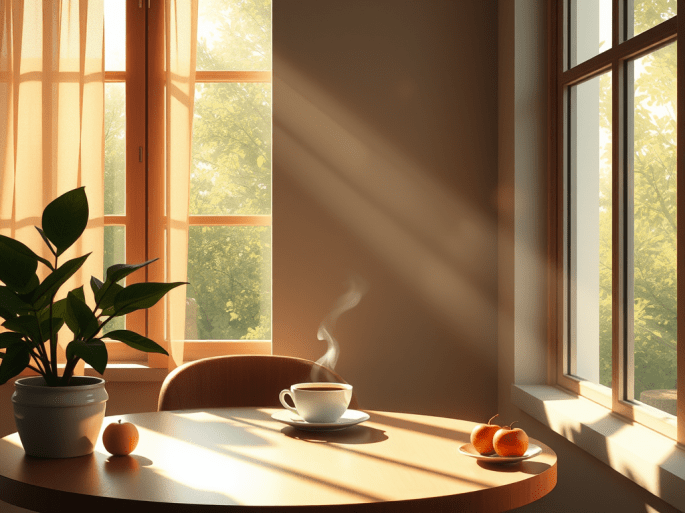
In times of chaos

Remember to Listen to Your Own Advice

Life has a way of sweeping us up in its whirlwind of chaos—whether it’s work, relationships, or the day-to-day demands that seem to grow the longer we ignore them. Last week got very chaotic for me on Wednesday afternoon at 4:04 pm. I won’t share details at the moment as it is all very raw, but I will remind myself and others that it’s ok to pause. It’s easy to forget what we know we need to do to take care of ourselves. But sometimes, in the midst of all the noise, we need a reminder. So, this is me reminding myself to slow down, take a breath, and go back to the basics—the things that help me stay grounded.

1. Stick to Your Routines
When everything feels unpredictable, routines are a stabilizing force. It’s tempting to throw them out the window when life gets hectic, but those routines are anchors. Whether it’s starting your day with a cup of coffee and a few minutes of quiet, or setting aside time for a walk or a workout, these small acts of consistency help create a sense of control, even when everything else feels out of hand. They’re not rigid rules; they’re your lifelines.

2. Eat Good Food
It’s so easy to fall into the trap of convenience, grabbing whatever is quickest or most comforting in the moment. But I know that eating well—not just grabbing food to fill the void—makes a huge difference in how I feel physically and mentally. Fresh fruits, vegetables, and balanced meals don’t just fuel the body; they fuel the mind, too. When you’re tired, stressed, or overwhelmed, it’s especially important to nourish yourself in ways that help you cope, not just survive.

3. Take Your Meds
I’ve been there—thinking that maybe I can skip a dose, or that I’ll be okay without them for a while. But the truth is, my medication is part of what helps me stay balanced, mentally and emotionally. There’s no shame in needing support, and the routine of taking meds is a tool in my toolkit for coping. I need to remember to stay consistent, to not let the chaos or distractions of life take me off course.

4. Rest
We often mistake being busy for being productive, and in doing so, we forget the importance of rest. Whether it’s taking a 20-minute power nap or simply stepping away from the hustle and bustle for a few minutes to reset, rest is essential for both body and mind. It’s not a luxury; it’s a necessity. In the chaos of daily life, I need to pause and honor my need for recovery.

5. Breathe
In the rush of the moment, we forget to breathe. Not just the shallow breaths that keep us alive, but the deep, mindful breaths that ground us. When stress builds up, my chest tightens, and my mind races. Taking a few moments to simply breathe, to center myself, helps me regain focus and calm. It’s a simple yet powerful tool to reset and remember that everything doesn’t have to be solved in one moment.

6. Reach out for help if you need it. It doesn’t matter if you haven’t been so great at keeping in touch. Call the friend. Text the family. It takes a village and honestly we get so caught up in trying to face things alone, either for shame, or whatever, we hurt ourselves more. Get the help, if its just a hand to hold or professional help, reach out.

Pause and Remember
In the chaos of life, it’s easy to forget to take care of ourselves. But I have to remind myself—especially when I’m feeling overwhelmed—that these simple routines are the things that help me cope. Taking care of my body, my mind, and my spirit is not a luxury. It’s the foundation that allows me to face the chaos with more resilience.

So, when life starts to feel like it’s spinning too fast, I’m going to pause, take a deep breath, and return to the basics. I’ll remind myself of the advice I’ve given before and continue following the steps that help me move through this life with more ease and less stress. Because at the end of the day, I can’t pour from an empty cup.
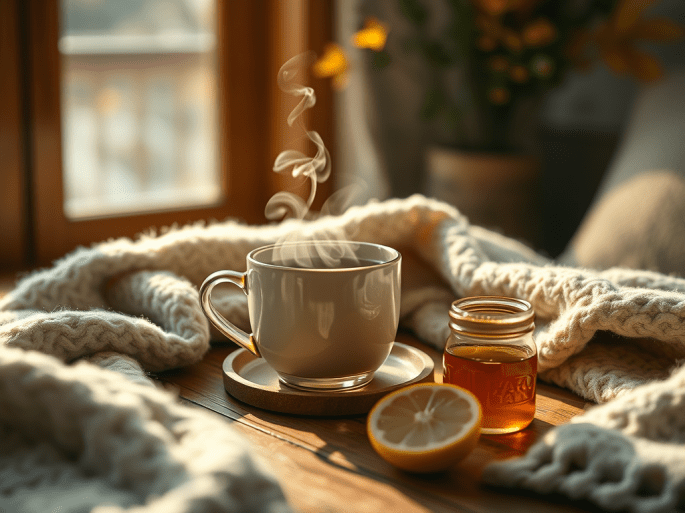

Monday mornings after a cold front…

It’s that time of year again…seasons change, and allergies and sinus problems kick up. Today it was my teen who is suffering again with allergy and sinus stuff that is making his stomach hurt and causing nausea and vomiting. Keep reading for some tips and tricks that we use to help heal when the seasonal changes get the best of us. Most importantly know that it is perfectly ok to REST!! Yes, even you, Mom!! ❤

Dealing with Allergies, Colds, and Coughs at Home: Remedies and Tips

As the seasons change, many of us find ourselves battling allergies, colds, and pesky coughs. While it’s always best to consult with a healthcare professional for persistent symptoms, there are plenty of at-home remedies and strategies to help manage discomfort and speed up recovery. Here’s how to create a comforting environment for your household and find relief from those annoying symptoms.

1. Stay Hydrated

Hydration is Key
When you’re feeling under the weather, staying hydrated is crucial. Fluids help thin mucus and keep your throat moist. Here are some great options:

  • Water: Always a top choice.
  • Gatorade or Liquid IV: These electrolyte drinks can be especially helpful if you’re feeling fatigued or dehydrated. They provide essential minerals and hydration without added caffeine or excessive sugar.

2. Honey and Lemon

A Soothing Duo
Honey has natural antibacterial properties, while lemon is rich in vitamin C. This combination can help soothe a sore throat and ease coughing.

DIY Recipe:

  • Mix 1 tablespoon of honey with the juice of half a lemon in warm water.
  • Sip slowly for relief.

3. Hot Toddy for Adults

A Classic Comfort Drink
This warm beverage can help you relax and may provide some symptom relief, especially before bedtime.

Ingredients:

  • 1 cup hot water
  • 1 ounce whiskey (optional)
  • 1 tablespoon honey
  • Juice of half a lemon
  • A pinch of cinnamon or cloves

Instructions:
Combine all ingredients in a mug and stir well. Enjoy while warm.

4. Rest and Relaxation

Listen to Your Body
When fighting off an illness, don’t underestimate the power of rest. Make your environment cozy with blankets and pillows, and allow yourself to nap or simply unwind. Your body needs this time to heal.

5. Herbal Teas

Nature’s Remedies
Herbal teas can provide soothing relief for your throat and help with hydration. Consider:

  • Peppermint tea: Helps with congestion.
  • Chamomile tea: Great for relaxation and soothing the throat.
  • Ginger tea: Anti-inflammatory properties can ease symptoms.

6. Steam Inhalation

Breathe Easy
Inhaling steam can help relieve congestion and soothe irritated nasal passages.

How to do it:

  • Fill a bowl with hot water, add a few drops of essential oil (like eucalyptus or peppermint), and lean over it with a towel covering your head. Breathe deeply for about 10-15 minutes.

7. Essential Oils

Aromatherapy for Relief
Using a diffuser with essential oils can create a calming atmosphere while potentially helping with respiratory symptoms. Oils like eucalyptus, peppermint, and lavender can be particularly soothing.

8. Humidifiers

Add Moisture to the Air
Using a humidifier in your home can help keep your nasal passages moist, especially during dry seasons. This can alleviate coughing and congestion.

9. Over-the-Counter Supplements

Support Your Immune System
While it’s important to consult with a healthcare provider before starting any new supplement, some options may help boost your immune response:

  • Vitamin C: Supports immune health.
  • Zinc: May reduce the duration of colds.
  • Elderberry syrup: Known for its immune-boosting properties.

Conclusion

Dealing with allergies, colds, and coughs can be challenging, but with these at-home remedies and tips, you can create a supportive environment for recovery. Remember to stay hydrated, rest when needed, and try some of these soothing remedies to help manage your symptoms. Here’s to a healthier, more comfortable home!

Chronic Pain is a Mother…

Exploring Chronic Pain

Chronic pain is a complex and often debilitating condition affecting millions of people worldwide. It can stem from a variety of causes, including injury, illness, or underlying medical conditions such as arthritis, fibromyalgia, neuropathy, and migraines. While narcotic pain relievers can provide temporary relief, they are not always a sustainable or desirable long-term solution. Many individuals seek alternative treatments to manage their pain more effectively and improve their quality of life. 

If you have read my much older blogs you may know that my ex husband suffered from chronic pain with no known cause. Still to this day I suppose he continues to suffer, but this was my first foray into chronic pain. My second was for myself, last year I suffered a head injury which led to a concussion and post concussion syndrome. Now I live with migraines to which the likes I had never before experienced. Thanks to modern medicine, I can now take a prescription to keep my migraine days down to maybe once a month. The sad part is that it took almost a year of tests and numerous visits with a primary care doctor and neurologist. Many of you may not have the privilege of seeking such medical care and even if you can you may not know what other things might help and what questions to ask the doctors for relief. 

Understanding Chronic Pain Conditions

Chronic pain can manifest in numerous ways, including:

 **Arthritis**: Inflammation in the joints causing stiffness and pain.

 **Fibromyalgia**: Widespread pain, fatigue, and cognitive difficulties.

 **Neuropathic Pain**: Nerve damage leading to shooting or burning pain.

 **Migraines**: Severe headaches often accompanied by nausea and sensitivity to light.

Recognizing the specific type of pain is crucial for effective management, as each condition may respond differently to treatment approaches. Healthcare providers try to stay away from prescribing narcotic medications not only because of addiction but because without realizing it, your body can become dependent. I use the words addiction and dependency to describe different conditions. For me addiction is more of  psychological need accompanied with a physical need to take the medication and dependency is when your body will absolutely go haywire if you choose to stop taking it. Withdrawal in either case is really far more unpleasant and can be harmful for the chronic pain sufferer. This is why I encourage talking to your doctor about medications, supplements and other treatments to come up with a unique treatment plan for your particular pain.

Alternative Treatments for Chronic Pain

1. **Nutritional Supplements**: Certain supplements can help alleviate pain and reduce inflammation:

   – **Omega-3 Fatty Acids**: Found in fish oil, these can help decrease inflammation and improve joint health. You can use supplements or add more fish in your diet, but be sure to read the labels. 

   – **Turmeric**: Contains curcumin, which has anti-inflammatory properties. My nephew uses this for his aches and pains as an installation technician. He is 39 now and his body isn’t moving along so well with all of the repetitive use. 

   – **Magnesium**: May reduce muscle tension and help with nerve pain. I use a magnesium spray that I bought locally. You can also find it on Amazon. 

   – **Glucosamine and Chondroitin**: Often used for joint pain and osteoarthritis. My Dad swore by this combo in helping with his knee pain. 

2. **Mind-Body Techniques**: Practices such as meditation, yoga, and tai chi can promote relaxation and help manage pain through mindfulness and gentle movement. Movement as I have said in previous posts is lubrication, do what you can. Some days will be better than others as always and don’t over-do it, but always try to get a few minutes in daily. 

3. **Physical Therapy**: Tailored exercises can strengthen muscles, improve flexibility, and reduce pain over time. A physical therapist can design a program that aligns with an individual’s specific needs. 

4. **Acupuncture**: This traditional Chinese medicine practice involves inserting needles into specific points to relieve pain and promote healing.

5. **Massage Therapy**: Therapeutic massage can alleviate muscle tension and improve circulation, providing relief for many chronic pain sufferers.

6. **Cognitive Behavioral Therapy (CBT)**: This psychological approach helps individuals change their perception of pain and develop coping strategies to manage it effectively.

Activities to Consider

Engaging in gentle physical activities can be beneficial. While it may seem counterintuitive to move when in pain, low-impact exercises like swimming, walking, or cycling can boost endorphin levels, which are natural pain relievers. Additionally, hobbies that promote relaxation, such as painting or gardening, can provide a mental escape and reduce stress.

The Role of Sleep in Pain Management

For many chronic pain sufferers, sleep is often the only respite from their discomfort. However, pain can significantly disrupt sleep patterns, leading to a vicious cycle of fatigue and heightened pain sensitivity. Establishing a calming bedtime routine, creating a comfortable sleep environment, and considering sleep aids—whether natural (like melatonin) or through behavioral adjustments—can help improve sleep quality.

Coping Without Narcotics

While narcotics can be effective for some, they come with risks of dependency and side effects that can be just as debilitating as the pain. Here are strategies to cope without relying solely on narcotics:

 **Stay Informed**: Understand your condition and treatment options. Knowledge empowers you to make informed choices about your care. If you think something might help, bring it up with your healthcare provider. 

 **Support Networks**: Connect with others who understand chronic pain. Support groups, whether in-person or online, can offer encouragement and shared experiences. Facebook, Discord, and What’s app, Reddit do have group options where you can find others who are facing your struggles. 

 **Integrate Therapies**: Many alternative treatments can work in conjunction with prescribed medications. Always consult your healthcare provider before adding new therapies to your routine. When you are transparent with your provider about your pain and that you are willing to explore options besides prescription medication you may get better results from them. I know my neurologist placed a sign in his lobby that he does not prescribe narcotics at all. I suppose that keeps any pill seekers from his office, but he is clear about it up front. The medical community is beginning to embrace holistic medicine and hopefully more providers will look to treat a whole person and not just a set of symptoms . 

Wrapping it up for you: 

Living with chronic pain can be challenging, but exploring alternative treatments and making lifestyle adjustments can lead to significant improvements in quality of life. A comprehensive approach that includes nutritional supplements, physical activities, and mind-body techniques can help alleviate pain and enhance overall well-being. Remember, it’s essential to consult with a healthcare professional before making any changes to your treatment plan. Each person’s experience with pain is unique, and finding the right combination of strategies can lead to a more manageable and fulfilling life. I hope this information gives you a starting point in finding more pain free days. 

We are what we eat…

The Connection Between Food and Mental Health

As a 49-year-old mother of five, I’ve spent years juggling the chaos of family life, a career, and trying to stay healthy. Over time, I’ve learned that what I put on my plate does far more than just feed my body—it feeds my mind, too. Our daily diet plays an integral role in how we feel, think, and cope with the ups and downs of life. Here’s what I’ve discovered about the relationship between the food we eat and mental health, from my perspective as a busy mom navigating life’s many demands.

The Busy Mom Diet: When Convenience Comes First

Let’s face it—when you’re raising kids, and juggling their homework and activities, meal planning often takes a back seat to convenience. I’ve been there, reaching for quick fixes like processed snacks, fast food, and sugary treats just to get through the day. But as I hit my 40s, I began to notice that not only was my energy tanking, but my mood was all over the place. I felt anxious, irritable, and, honestly, a little down more often than I’d like to admit. 

It wasn’t just the physical toll of running a household; I began to suspect that my diet was playing a big role in how I was feeling mentally. And my doctor warned me that my A1C was putting me in a borderline state. I had to take a look at what I was eating and how it made me FEEL. This was my suspicion, what I was eating was affecting my mood swings and my sugar levels.

The Science Behind Food and Mood

It turns out, I wasn’t wrong. Research shows that the food we eat has a direct impact on our mental health. A diet high in processed foods, sugar, and unhealthy fats can increase the risk of depression, anxiety, and mood swings. In contrast, a balanced diet rich in whole foods—think fruits, vegetables, lean proteins, and healthy fats—provides the brain with the nutrients it needs to function optimally.

Gut Health: The Second Brain

When the girls were playing soccer, one of the soccer parents introduced me to an idea about the gut-brain connection. Did you know that your gut is sometimes called your “second brain”? The gut is home to trillions of bacteria that help regulate not only digestion but also mood. These bacteria produce neurotransmitters like serotonin, the “feel-good” chemical that plays a key role in keeping our mood stable.

When I started focusing on feeding my gut with fiber-rich foods like fruits, vegetables, and whole grains, I noticed a significant improvement in my mood. I also incorporated shots of kefir sometimes to help the gut biome. Although it wasn’t overnight, a few weeks of eating more mindfully, I felt calmer, more focused, and better equipped to handle the stress of daily life. And sometimes we still ate processed foods, but I was more mindful of the fuel we were putting in our bodies. 

Sugar and Mental Health: A Love-Hate Relationship

If there’s one thing I’ve learned from raising kids and being around kids, it is that sugar is everywhere! It is the big ugly thing that hides in so many things we eat! It’s in snacks, drinks, and even foods we wouldn’t expect, like bread and sauces. For years, I leaned on sugary treats or sugary drinks with caffeine to get that quick energy boost, especially during the long days of parenting. But what I didn’t realize was how sugar affects mental health.

Sugar may give you an instant lift, but it’s followed by a crash that can leave you feeling irritable, tired, and foggy. Over time, these fluctuations in blood sugar can contribute to symptoms of anxiety and depression. Once I started cutting back on sugar and replacing it with healthier alternatives like fruits, nuts, and even dark chocolate (yes, I still need my treats!), I felt more balanced both mentally and physically.

Omega-3s: The Brain’s Best Friend

One dietary change that helped make a difference for me was incorporating more omega-3 fatty acids into my meals and snacks. These healthy fats, found in foods like salmon, chia seeds, and walnuts, are essential for brain health. Omega-3s help reduce inflammation in the brain and have been shown to reduce symptoms of depression and anxiety.

Making simple swaps—like adding a handful of walnuts or a tablespoon of chia seeds to my morning oatmeal or cooking salmon or making a salmon salad once a week started to become routine. And honestly, I could feel the change. My mind felt clearer, and I was able to manage stress in ways I hadn’t been able to before. I do not always keep all of these ingredients on hand, but I do notice the difference when I haven’t been keeping up with watching what I eat. I feel it and then remember to add them to the grocery list. This isn’t a passing “diet” it is just making small changes to give your body the fuel it needs to operate at its best and occasionally we lapse back into the bad eating habits. When you do that just course correct and begin again, it’s not a failure, just a backslide.

The Power of Routine and Self-Care

As a busy mom, balancing everything can be a challenge. I know that self-care often falls to the bottom of the to-do list. But I’ve learned that prioritizing what I eat is one of the most important forms of self-care I can practice. It doesn’t have to be complicated or time-consuming; even small changes can have a big impact.

I now make an effort to prepare balanced meals, drink plenty of water, and include foods that nourish both my body and mind. And if I am missing something I also take a multivitamin to try to keep my body functioning at its best. Eating regularly has kept my blood sugar stable, which has been a huge game-changer for my energy and mood. No more need for the snickers in the afternoons because I was getting “hangry.” I also snack on things that are better for me than a candy bar, maybe some almonds or sunflower seeds and dried cranberries, just enough to get me to dinner. You can do what works for you and your tastes, read the labels.

Setting an Example for My Kids

The absolute best motivator for me has been setting a good example for my children. I wanted them to understand that what they eat doesn’t just affect how they look or their physical health—it affects how they feel emotionally and mentally. Encouraging them to make healthy food choices and teaching them the importance of balance and moderation has always been a “thing” in this household. Sometimes my insistence that they give me two bites of anything I cooked led to them discovering that they actually did like the weird looking stuff or the green stuff. I really did raise some of the least picky eaters. 

Final Thoughts

At 49, I’m still learning, growing, and making changes to support my health and well-being. But one thing I know for sure is that the connection between food and mental health is real. As a mother, wife, and woman juggling many roles, the food I eat has become one of the most powerful tools I have to support my mental clarity, emotional balance, and overall happiness.

If you’re feeling overwhelmed, anxious, or just not yourself, take a look at what’s on your plate. It might be the key to feeling better, stronger, and more mentally resilient. Trust me—if this busy mom can do it, anyone can! If you need help with ideas or recipes to help do better, let me know. I have been there, it is a journey, and you are not alone!

Love and light, y’all! 

If you or someone you know is feeling overwhelmed Crisis help line: Call or Text 988