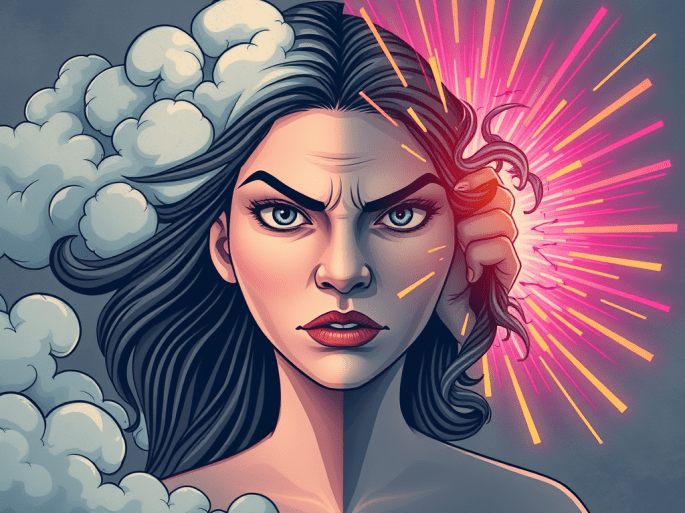
All is not lost

Getting Back on Track: Embrace the Challenge and Reboot with Confidence

We’ve all been there. You set out with the best of intentions—whether it’s landing that dream job, sticking to a workout routine, eating healthier, or forming any positive habit—but somehow, life happens, and we get off track. It’s easy to feel frustrated, overwhelmed, or even defeated when we stray from our goals. But here’s the thing: we’re never too old to reboot, and it’s never too late to pick ourselves back up and keep moving forward.

1. Acknowledge the Setback, But Don’t Dwell on It

The first step in getting back on track is simply acknowledging that you’ve fallen off course. Whether it’s a job search that’s been stalled, a fitness routine that’s been abandoned, or a healthy eating plan that’s been pushed to the back burner, it’s important to be kind to yourself. Life is full of setbacks and distractions, and that’s normal. We’re all human, after all. It is important to remember that even if you WERE a robot, they require maintenance too, and so will you. So be gentle with yourself, dear reader.

Instead of focusing on guilt or disappointment, treat this moment as an opportunity to reassess, reflect, and restart. Acknowledge where you are, but don’t get stuck there.

2. Break It Down Into Smaller, Manageable Steps

Once you’ve given yourself grace, the next step is to make your goal feel more achievable. Trying to dive straight back into a long-term objective can be overwhelming. Whether you’re resuming your job hunt, picking up weights at the gym again, or preparing a healthy meal, start small.

  • If you’re searching for a job, instead of feeling the pressure to apply for dozens of positions in a single day, aim for one or two quality applications each day.
  • For fitness, instead of committing to an hour-long workout, start with a short 15-minute routine that’s manageable and builds momentum.
  • When it comes to healthy eating, focus on one meal at a time rather than trying to overhaul your entire diet in one go.

By breaking your goals down, you not only make them more achievable but also start gaining momentum and confidence.

3. Face Challenges, Face Rejection, and Keep Going

One of the most difficult aspects of any journey is facing setbacks, whether it’s rejection during a job search, missed workouts, or slipping back into old eating habits. Rejection and failure can be painful, but they are also powerful teachers. They show us where we can improve and where we can pivot.

Don’t let a rejection define you—whether from an employer or a failure in sticking to a habit. Use it as fuel for growth. Each time you face a challenge, you build resilience and strength. When the going gets tough, that’s when the true growth happens.

4. Keep Your Eyes on Progress, Not Perfection

As you reboot, remember that perfection isn’t the goal. The goal is progress. Whether it’s landing your next job, regaining your fitness, or simply eating more balanced meals, progress, no matter how small, is worth celebrating. Be proud of each step forward. And if you slip up, don’t give up altogether. Success isn’t linear, and growth comes with its ups and downs.

Sometimes, even a tiny change in perspective can make a world of difference. Instead of focusing on the times you’ve missed the mark, focus on how far you’ve come since you started. Each day is an opportunity to take one more step closer to your goals.

5. Embrace Lifelong Growth

One of the most empowering truths we can adopt is that we’re never too old to learn, to evolve, or to start something new. Whether you’re venturing into a new career path, challenging yourself with a new workout, or discovering healthier ways to nourish your body, there’s always room for growth.

Being open to new experiences, learning from challenges, and continuing to improve—no matter our age or where we are in life—creates a richer, more fulfilling life.

In Conclusion: Keep Rebooting, Keep Moving

No matter where you are in your journey, remember this: setbacks don’t define your success. Rebooting doesn’t mean you’ve failed; it means you’re still on your way. Challenges, rejections, and obstacles are all part of the process, and they don’t stop us from growing. The most important thing is to keep going, to keep learning, and to keep striving to be better than you were yesterday.

So if you’ve fallen off track, it’s okay. You’re not alone, and you have the power to restart. Take that first step today—because progress begins with one small action.

Anxiety vs Panic Attack

Good Monday to you!! Whew!! The days of 2025 have been flying by, January is nearly half-way over. Thirteen days into a new year and I have experienced several anxiety attacks and 2 panic attacks. You may ask me: “Aren’t they the same thing?” I would have to answer you and tell you: “Absolutely not!” 

Anxiety and panic attacks can feel overwhelming and terrifying, often hitting without warning. Whether you’re dealing with a long-standing anxiety disorder or just experiencing the occasional panic episode, or if you are a lucky duck like me, you get both, learning how to manage these attacks effectively can significantly improve your mental and emotional well-being. In this post, we’ll explore ways to cope during a panic or anxiety attack, as well as strategies for dealing with the aftereffects, often referred to as the “hangover” feeling, which can leave you feeling drained, disoriented, or emotionally worn out.

Understanding Anxiety and Panic Attacks

Anxiety attacks and panic attacks are related but distinct experiences. Anxiety attacks are usually tied to heightened worry and tension over a specific situation or set of circumstances. These attacks may build up over time and can manifest in physical symptoms like increased heart rate, muscle tension, dizziness, or irritability.

On the other hand, panic attacks occur suddenly and typically come without any clear trigger. They are often intense and overwhelming, causing shortness of breath, chest pain, rapid heartbeat, sweating, chills, and feelings of impending doom. A panic attack might make you feel as though you’re losing control or even having a heart attack, though they are not life-threatening.

While panic attacks can be deeply distressing in the moment, both types of attacks can leave emotional and physical aftereffects once they subside. This period of time, often described as a “hangover,” can make it feel even harder to cope with daily life. But with the right tools and techniques, it’s possible to better manage these episodes and reduce their impact on your day-to-day life. It may take some time and practice to experience fewer episodes, and it may even require medication, but it can be managed.

Coping Strategies During an Anxiety or Panic Attack

  1. Grounding Techniques: Grounding is one of the most effective strategies to bring your focus back to the present moment. One popular method is the 5-4-3-2-1 technique, where you engage your senses to distract your mind:
    • 5 things you can see
    • 4 things you can touch
    • 3 things you can hear
    • 2 things you can smell
    • 1 thing you can taste
  2. This method helps break the cycle of anxious thinking and can provide a sense of control during an attack.
  3. Deep Breathing: During an anxiety or panic attack, your breathing tends to become shallow or erratic. Focusing on slow, deep breaths can help calm your nervous system. Try breathing in for a count of four, holding for a count of four, and exhaling for a count of four. Repeat this process several times until you begin to feel more centered.
  4. Progressive Muscle Relaxation (PMR): PMR involves tensing and then relaxing different muscle groups in your body, starting from your toes and working up to your head. This technique helps to release the physical tension that often accompanies anxiety and panic attacks and can promote a sense of calm.
  5. Mindfulness and Self-Talk: Anxiety and panic attacks can fuel irrational thoughts. Challenge these thoughts by reminding yourself that the attack, although uncomfortable, is not life-threatening. Reassure yourself with affirmations such as, “This will pass,” or “I am safe.” Mindfulness techniques, such as focusing on your breath or engaging in a simple task, can also help to pull you out of the fight-or-flight response.
  6. Finding a Safe Space: If possible, remove yourself from the situation that is triggering the attack. Find a quiet, calm space where you can regain control of your breathing and thoughts. This may help prevent the attack from intensifying.

Managing the “Hangover” After an Anxiety or Panic Attack

After the intensity of an anxiety or panic attack subsides, many people experience lingering effects. The “hangover” of an anxiety or panic attack can include feelings of exhaustion, irritability, brain fog, and heightened sensitivity. Here are some strategies to help you manage this period:

  1. Rest and Recover: Panic and anxiety attacks can be physically and emotionally draining. Allow yourself time to rest, hydrate, and eat well to replenish your energy. Don’t be too hard on yourself if you need to take it easy for a while after an episode.
  2. Gentle Movement: While rest is important, gentle movement like stretching or a short walk can help release the remaining tension in your body. It can also boost your mood by increasing the production of endorphins, which promote feelings of well-being.
  3. Journal Your Experience: After an attack, journaling can be a helpful way to process your emotions. Write down what happened, how you felt, and any triggers that may have contributed to the episode. Reflecting on these experiences can give you insight into your anxiety and help you identify patterns, which may be useful for future coping strategies.
  4. Self-Compassion: It’s easy to fall into negative self-talk after an anxiety or panic attack, especially if you feel like you’ve lost control. Be kind to yourself and recognize that anxiety is a condition that many people experience. Acknowledge your efforts in managing the situation and give yourself credit for coping in a difficult moment.
  5. Talk to a Professional: If the hangover effects persist or interfere with your daily life, it may be helpful to speak with a therapist or counselor. Cognitive-behavioral therapy (CBT) and other therapeutic approaches are effective tools for managing anxiety and preventing future panic attacks. Additionally, if you’re not already under the care of a mental health professional, they can help you create a treatment plan tailored to your needs.

Long-Term Strategies for Managing Anxiety and Panic Attacks

While coping during an anxiety or panic attack is essential, it’s also important to develop long-term strategies for managing your overall anxiety. These may include:

  • Regular Exercise: Physical activity can help reduce overall anxiety by releasing tension, improving mood, and promoting better sleep.
  • Meditation and Mindfulness: Incorporating daily mindfulness practices can help train your mind to stay calm and present, making you less likely to be overwhelmed by anxiety.
  • Adequate Sleep: Lack of sleep can heighten anxiety. Prioritize sleep hygiene and aim for a consistent sleep schedule.
  • Healthy Lifestyle Choices: Balanced nutrition, hydration, and reducing caffeine and alcohol intake can all play a role in managing anxiety.
  • Support System: Talking with friends, family, or support groups can make you feel less isolated and more connected.

Final Thoughts

Anxiety and panic attacks can be difficult to navigate, but with practice, you can learn to manage and cope with them more effectively. By using grounding techniques, deep breathing, and other coping mechanisms, you can reduce the intensity of these attacks and feel more in control when they occur. Additionally, learning to manage the emotional and physical aftereffects—what some call the “hangover”—will help you recover and move forward more quickly.

Above all, be gentle with yourself. It’s okay to have moments where things feel out of control. What matters most is how you respond and the strategies you develop to take care of yourself in the aftermath. With time, patience, and the right tools, you can reduce the impact of anxiety and panic attacks on your life and regain a sense of peace and stability

New Year, New book list

2025 Reading List: 12-24 Books to Entertain, Educate, and Empower Your Year

As we step into 2025, it’s the perfect time to embrace books that not only entertain but also inspire self-improvement, cultivate new perspectives, and foster growth. Whether you’re a seasoned reader or just beginning your literary journey, this year’s reading list is a mix of diverse genres that offer something for everyone—from thrilling page-turners to life-changing non-fiction. Let’s make 2025 a year of reading better and doing better!


1. The Seven Husbands of Evelyn Hugo by Taylor Jenkins Reid

Genre: Historical Fiction
Synopsis: This captivating novel follows the glamorous life of a reclusive Hollywood icon, Evelyn Hugo, who finally agrees to tell the truth about her seven marriages and the sacrifices she made for fame and love. With vivid storytelling and a dash of mystery, this book explores themes of identity, love, and the price of success.

Why it makes the cut: It’s a compelling tale about the complexities of fame and identity, offering readers a glimpse into the sacrifices made in the pursuit of greatness. It’s perfect for those who enjoy powerful female characters and intricate relationships.


2. Atomic Habits by James Clear

Genre: Self-Help / Non-fiction
Synopsis: James Clear’s best-selling book delves into the science of habit formation and how tiny changes can lead to significant improvements in your life. By focusing on small, incremental habits, Clear outlines how to break bad habits and form good ones.

Why it makes the cut: A must-read for anyone looking to make lasting changes in their life. Clear’s insights are actionable, motivational, and transformative, setting you up for a productive and fulfilling 2025.


3. The Midnight Library by Matt Haig

Genre: Fiction / Fantasy
Synopsis: In this thought-provoking novel, Nora Seed finds herself in the Midnight Library, a place between life and death, where she gets to explore alternate versions of her life. With each book she opens, she experiences what her life could have been like if she had made different choices.

Why it makes the cut: A beautifully written exploration of regret, purpose, and the infinite possibilities life offers. It’s a story of second chances and reminds readers that it’s never too late to change direction.


4. Where the Crawdads Sing by Delia Owens

Genre: Mystery / Drama
Synopsis: Set in the swamps of North Carolina, this bestselling novel follows Kya Clark, a young girl abandoned by her family, who grows up isolated in the wild. When a local man is found dead, Kya becomes the prime suspect, leading to a suspenseful exploration of love, survival, and the natural world.

Why it makes the cut: A gripping mystery with poetic prose and themes of resilience, connection, and nature’s healing power. It’s a perfect choice for fans of atmospheric settings and emotional depth.


5. The Song of Achilles by Madeline Miller

Genre: Mythological Fiction
Synopsis: Retelling the story of Achilles and Patroclus, Madeline Miller’s modern adaptation of Greek mythology brings their legendary love story to life. With breathtaking prose, it blends romance, tragedy, and heroism in a retelling that resonates with contemporary readers.

Why it makes the cut: This novel brings classic mythology into the modern world with a beautiful narrative. It’s a poignant tale about love, fate, and the human cost of war that will leave you reflecting long after the last page.


6. Educated by Tara Westover

Genre: Memoir
Synopsis: Tara Westover’s memoir tells the inspiring story of her upbringing in a strict, survivalist family in rural Idaho. Despite her lack of formal education, she eventually escapes her upbringing to pursue learning, eventually earning a PhD from Cambridge University.

Why it makes the cut: A powerful, transformative story that showcases the importance of education, resilience, and self-discovery. It’s a reminder that the pursuit of knowledge can change lives.


7. The Invisible Life of Addie LaRue by V.E. Schwab

Genre: Fantasy
Synopsis: In this novel, Addie LaRue makes a Faustian bargain for immortality, only to be forgotten by everyone she meets. Over 300 years, she experiences a life of solitude and longing until she meets a man who remembers her.

Why it makes the cut: A beautifully written exploration of loneliness, identity, and the human desire to leave a mark on the world. Addie’s journey through history and time is both poignant and magical.


8. The Alchemist by Paulo Coelho

Genre: Fiction / Philosophy
Synopsis: A young shepherd named Santiago embarks on a journey to find a hidden treasure, only to discover that the true treasure lies in the wisdom and experiences gained along the way.

Why it makes the cut: This timeless fable is perfect for those looking for inspiration and motivation. It teaches readers to pursue their dreams, trust their instincts, and listen to the whispers of their hearts.


9. The Book Thief by Markus Zusak

Genre: Historical Fiction
Synopsis: Narrated by Death, this novel takes place during World War II in Nazi Germany and follows Liesel Meminger, a young girl who steals books to escape the harsh realities of her life. Through the power of words, she finds hope and connection.

Why it makes the cut: A poignant and deeply moving story about the power of stories and the resilience of the human spirit. It’s a beautifully written exploration of love, loss, and survival in the face of war.


10. Circe by Madeline Miller

Genre: Mythology / Fantasy
Synopsis: This retelling of the Greek myth of Circe, the powerful witch who transforms men into pigs, explores her complex character and the forces that shaped her. It’s a tale of self-discovery, transformation, and rebellion against the gods.

Why it makes the cut: Madeline Miller’s lyrical prose brings a fresh and feminist perspective to an ancient myth. It’s an exploration of power, identity, and the consequences of breaking societal norms.


11. The Four Agreements by Don Miguel Ruiz

Genre: Philosophy / Self-Help
Synopsis: Based on ancient Toltec wisdom, this book outlines four simple yet profound agreements that can guide us to a life of freedom and happiness: Be impeccable with your word, Don’t take anything personally, Don’t make assumptions, and Always do your best.

Why it makes the cut: It’s a life-changing book that offers practical wisdom for living with clarity, peace, and authenticity. Perfect for anyone looking to transform their mental and emotional habits.


12. Project Hail Mary by Andy Weir

Genre: Science Fiction
Synopsis: Ryland Grace wakes up alone on a spaceship with no memory of how he got there, and discovers that he is humanity’s last hope. He must solve a series of complex scientific challenges in order to save Earth from extinction.

Why it makes the cut: For fans of The Martian, this is another fast-paced, highly engaging novel by Andy Weir. It’s a thrilling, witty, and heart-pounding ride that blends science with adventure.


13. The Four Winds by Kristin Hannah

Genre: Historical Fiction
Synopsis: Set during the Great Depression, The Four Winds follows Elsa Martinelli as she navigates the hardships of life in Texas during the Dust Bowl. The novel portrays a woman’s strength as she fights for survival and her family’s future.

Why it makes the cut: Kristin Hannah is known for her emotionally compelling stories, and this one is no exception. It’s an inspiring novel about courage, sacrifice, and the will to survive against all odds.


14. Sapiens: A Brief History of Humankind by Yuval Noah Harari

Genre: Non-fiction / History
Synopsis: Harari’s bestselling book takes readers on a journey through the history of humanity, from the earliest days of Homo sapiens to the present, offering insights into how our species has shaped the world.

Why it makes the cut: It’s a thought-provoking, eye-opening exploration of human history that will change the way you think about our place in the world. A great read for those who want to learn and grow through knowledge.


15. The Night Circus by Erin Morgenstern

Genre: Fantasy
Synopsis: A magical, immersive tale about two young illusionists, Celia and Marco, who are bound in a mystical competition set in a magical circus. As they compete, the circus itself becomes a battleground for their powers.

Why it makes the cut: For fans of magical realism, this enchanting story is a spellbinding blend of mystery, romance, and magic. The vivid, atmospheric setting and complex characters will captivate you.


16. Big Magic by Elizabeth Gilbert

Genre: Creativity / Self-help
Synopsis: Elizabeth Gilbert shares her thoughts on creativity and how to embrace your own creative potential without fear or hesitation. Big Magic encourages readers to follow their passions and let their creativity flow freely.

Why it makes the cut: It’s a motivational read for anyone looking to cultivate creativity and live a more vibrant, inspired life. Whether you’re an artist or simply someone looking to inject more creativity into your daily life, this book will help you get started.


17. The Art of Happiness by Dalai Lama and Howard Cutler

Genre: Philosophy / Self-help
Synopsis: A collaboration between the Dalai Lama and psychiatrist Howard Cutler, this book explores the nature of happiness and how we can train our minds to cultivate it.

Why it makes the cut: A timeless exploration of the mind and heart, The Art of Happiness provides simple but profound insights into living a fulfilled life. It’s a perfect read for anyone seeking more peace and joy in their lives.


18. A Little Life by Hanya Yanagihara

Genre: Literary Fiction
Synopsis: This emotionally devastating novel follows the lives of four college friends, focusing on one of them, Jude, whose painful past slowly unravels over the years.

Why it makes the cut: Deeply moving, this book offers a profound exploration of trauma, friendship, and survival. It’s not for the faint of heart, but its emotional power and beautiful prose make it unforgettable.


19. A Man Called Ove by Fredrik Backman

Genre: Fiction
Synopsis: A grumpy, solitary man named Ove’s life changes when new neighbors move in next door, and he begins to form unexpected connections with others.

Why it makes the cut: This heartwarming and often humorous story is about the power of kindness, human connection, and second chances. It’s a story that will make you laugh, cry, and appreciate the little moments in life.


20. Becoming by Michelle Obama

Genre: Memoir
Synopsis: In her highly anticipated memoir, former First Lady Michelle Obama opens up about her life, her challenges, and her journey to becoming the woman she is today.

Why it makes the cut: Becoming is an inspiring and empowering story that will motivate you to follow your own path, embrace your voice, and never stop striving to become the best version of yourself.


Wrapping it up

In 2025, let your reading list be a reflection of your journey toward personal growth, entertainment, and exploration. This year, challenge yourself with books that not only entertain but inspire you to do better, think better, and be better. Each of these titles has been carefully chosen to provide both insight and enjoyment, offering a diverse range of genres, themes, and ideas to make this year your most meaningful yet.

Happy reading!

Embracing Struggle

How Life’s Challenges Lead to Blessings

Life has a way of throwing curveballs at us when we least expect them. There are moments when the weight of our struggles feels unbearable, and it’s easy to fall into the trap of thinking that we are being punished or that we will never overcome the obstacles in our path. Yet, if we take a step back and look at our lives from a broader perspective, we might realize that struggle isn’t the enemy—it’s a necessary part of growth, transformation, and ultimately, the realization of our blessings.

The truth is, we often stand in the way of our own blessings, not because they aren’t meant for us, but because we struggle to embrace the challenges that are essential for our growth. Struggle, as paradoxical as it may seem, is part of the divine design of life. When we’re experiencing hardship, it’s easy to focus on the pain or the apparent lack of progress. But what if, instead of resisting those difficult times, we leaned into them? What if we learned to trust that, even when things seem bleak, something greater is unfolding behind the scenes?

The Gift in Struggle

Struggle teaches us resilience. It forces us to grow in ways we never would have imagined. When life tests us, we uncover strengths within ourselves we didn’t know existed. It’s in the hard moments—when we feel like we’re at our lowest—that we discover a well of courage, patience, and determination we never thought we had. It’s in the darkest valleys that we develop the perspective to truly appreciate the peaks.

The famous author C.S. Lewis once said, “Hardships often prepare ordinary people for an extraordinary destiny.” How true this is! Often, we look at our struggles as things to avoid or eliminate, but they are often the very things that shape our future. Our challenges bring us closer to the people we are meant to be. Without those tests, without those failures, we wouldn’t have the capacity to appreciate the victories, the light, or the blessings when they arrive.

Faith and the Power of the Unseen

There’s a deep, unspoken truth in life: sometimes, we don’t see the good that is coming to us, not because it isn’t there, but because it isn’t visible yet. Faith is the quiet assurance that something greater than ourselves is at work. It’s the belief in things not seen, the trust that even when we can’t see the way forward, something beautiful is unfolding.

Whether you identify as religious or spiritual, many people have experienced moments where, looking back, they see how the challenges they faced led them to a place of profound growth and understanding. There’s a reason that “faith” is often spoken about in times of uncertainty—because it is in those moments, when we feel lost, that faith reminds us that there’s more to the story than what we see in front of us.

In these moments, it’s important to remember that what may feel like a setback is sometimes a redirection. Life, in its mysterious way, is preparing us for something far better than what we could have imagined. What we interpret as failure could be a setup for success—a process we have to go through to become who we’re truly meant to be.

Gratitude for the Darkness

It’s easy to be grateful when things are going well. We’re thankful for the good health, the steady job, the happy relationships. But what about when things are not going well? Can we also find gratitude in those times? Can we be thankful for the struggles, the challenges, the darkness?

I believe we can, and we should. The darkness teaches us to appreciate the light. It’s in the moments of deep struggle that we learn to recognize the power of joy, peace, and contentment when they do come. Imagine how easy it would be to take blessings for granted if we didn’t know what it was like to feel without them.

Gratitude for the darker times isn’t about ignoring the pain or pretending that everything is fine. It’s about recognizing that through hardship, we grow. We become more compassionate, more understanding, more resilient. We develop a deeper sense of gratitude for the things we used to take for granted. And in this process, we cultivate a strength that can only come from facing the storms of life head-on.

Growing Through What We Go Through

Ultimately, life is about growth. We are meant to evolve, to learn, to adapt. The struggles we face aren’t there to defeat us—they are there to refine us. Every time we face a challenge, we have a choice: we can give in to defeat, or we can use that challenge as an opportunity to grow. When we choose growth, we choose the path that leads us to better versions of ourselves.

Through each struggle, we develop new skills, insights, and emotional intelligence that enable us to navigate future challenges with greater ease. And when we approach life with a mindset of growth, we begin to see opportunities in places we once saw only obstacles.

So, instead of focusing on the difficulty of the moment, let’s shift our perspective. Let’s ask ourselves: What can I learn from this experience? How can I grow from this challenge? How can I use this to become a better version of myself?

The Blessing in the Struggle

Looking back on the challenges we’ve faced, it’s easy to see how they shaped who we are today. Some of our biggest blessings may have been disguised as hardships in the beginning. The job that felt like a dead end may have led to a more fulfilling career later. The relationship that ended may have opened the door for a deeper connection with someone else. The illness or setback may have forced us to slow down and reevaluate our priorities, leading us to a healthier, more balanced life.

In the midst of struggle, we can’t always see how things will unfold, but we can trust that, just as the sun rises after the darkest nights, so too will brighter days follow our challenges. Our struggles don’t define us—they refine us, helping us become who we are meant to be, ready to embrace the blessings that are on their way.

Wrapping it up for you:

Life is a mixture of light and dark, joy and sorrow, success and failure. It’s easy to be thankful when things are going well, but the true test of our character comes when we learn to appreciate the value of struggle, to embrace the unknown with faith, and to cultivate gratitude even in the darkest moments.

Through the struggles, the setbacks, and the pain, we grow. And in that growth, we discover our deepest blessings. So, the next time life feels like it’s challenging you beyond measure, remember this: your growth is happening in those moments. You are being prepared for something far greater than you can imagine, and sometimes, the struggles you face today are the stepping stones to the blessings of tomorrow.

Post election America…

The Post-Election Atmosphere: Finding Hope, Healing, and Unity

The election season has come and gone, but its aftermath lingers in the hearts and minds of many Americans. For some, the results bring hope and optimism for the future, while for others, the uncertainty and division feel overwhelming. The heightened emotions, the rhetoric, the constant media barrage—it all takes a toll on mental health. But as we stand together in the post-election world, it’s important to remember that healing, hope, and unity are still possible. I know it can feel heavy right now, or maybe you are elated and find a sense of relief with the election results. Either way you still have to work alongside people who believe differently than you. Let’s find some ways to cope and find comfort in the coming days and months because we are all Americans and we have to keep moving forward. 

Understanding the Emotional Landscape

Regardless of the outcome, elections are more than just a political event. They are emotional milestones that reflect our values, fears, and dreams for the future. The stress leading up to the election—intensified by polarization, misinformation, and often divisive campaigns—can have lasting effects. Some people feel victorious, empowered by their candidate’s win, while others feel anxious, fearful, or even betrayed. For many, the fear isn’t just about who won or lost, but about what those outcomes could mean for their lives, their communities, and the country as a whole.

It’s crucial to acknowledge the fear and anxiety some are feeling. For people on either side of the aisle, the election process itself can sometimes feel like a giant game of tug-of-war, with the stakes so high that it becomes hard to see beyond the immediate moment. Many are grappling with a sense of uncertainty about the future, especially if they feel that the country’s direction no longer aligns with their values.

Yet, while this atmosphere may feel heavy, it is also an opportunity for us to pause, reflect, and find a way forward—together.

For Those Feeling Hopeful: Keep Building Bridges

For those who are feeling a sense of relief, joy, or hope after the election, it’s important to recognize that the journey doesn’t end at the ballot box. While victory may feel sweet, the true work of healing and unifying our nation starts now. The election is not a conclusion; it’s merely the next chapter.

You can be a source of hope for others by fostering understanding and empathy. Even if you feel your side has “won,” it’s essential to acknowledge that many others are struggling to come to terms with the results. Reaching out to those with differing opinions, listening to their concerns, and engaging in respectful conversations is a step toward healing. Our nation is built on the strength of our diverse perspectives, and we thrive when we come together, not when we retreat into isolated echo chambers.

So, continue to act with compassion. Continue to advocate for progress, but do so in a way that seeks common ground. Work on being inclusive, not just in policy but in your actions and words. This is how we make a real difference.

For Those Feeling Fearful or Uncertain: You Are Not Alone

If you’re feeling fearful or uncertain about the future, your emotions are valid. It’s okay to feel worried, and it’s okay to need time to process. The election results may have felt like a personal loss, especially if you deeply disagreed with the outcome or feel that your rights and values are under threat. But remember: feelings of fear, doubt, and anger are not the end of the story.

In these times, it’s crucial to take care of your mental and emotional health. Political anxiety can be real, and its effects on mental health are not to be underestimated. Feeling disillusioned, frustrated, or anxious about what comes next is normal, but it’s also important to find healthy ways to manage those emotions. This might mean limiting your exposure to the news or social media, connecting with a mental health professional, or simply giving yourself permission to step away from the constant cycle of political discourse.

It’s also vital to remember that change often happens gradually, and one election cycle does not define the future of a nation. If you are feeling despair or fear, try to focus on the things you can control. Invest in your community, support your local businesses, volunteer for causes you care about, or engage in meaningful conversations with others who may share your concerns. Change is not linear, and it’s okay to take a step back and regroup for the work ahead.

Moving Forward: Together as Fellow Americans

At the end of the day, we are all in this together. We all care deeply about the future of our country, even if we sometimes differ in our vision for it. The post-election atmosphere is a reflection of our democratic process—imperfect, yes, but driven by the shared ideal that each of us has a voice, and that voice matters.

No matter who you voted for, it’s essential that we all take a deep breath, reflect on our shared humanity, and move forward with a commitment to healing and understanding. It’s easy to focus on our differences, especially in such a polarized environment, but the future of America depends on our ability to find common ground, build bridges, and work together for the common good.

For both those who are feeling triumphant and those who are feeling fearful, there is hope. The future is not determined by the outcome of a single election—it is shaped by our collective actions, by how we treat each other, and by our willingness to listen, learn, and grow. Even in moments of uncertainty, there is always the possibility of growth, change, and healing.

Let’s move forward together—united as Americans, with empathy in our hearts and hope for a brighter tomorrow. After all, our nation was built not on perfection, but on the ability to continually strive to be better. Let’s keep striving. Together.

Here are some key numbers and resources that can help individuals who need mental health support:

1. National Suicide Prevention Lifeline (988)

  • Phone Number: Dial 988 (National Suicide Prevention Lifeline)
  • Website: https://988lifeline.org/
  • Details: The 988 Suicide & Crisis Lifeline is available 24/7 for anyone in distress, including those experiencing mental health crises, suicidal thoughts, or emotional distress. This helpline connects callers to trained counselors who can provide support and resources. It does not involve law enforcement unless the caller is in immediate danger.

2. Crisis Text Line

  • Text Number: Text HOME to 741741
  • Website: https://www.crisistextline.org/
  • Details: The Crisis Text Line provides free, confidential support for anyone in crisis, offering text-based counseling services. It’s available 24/7, and trained crisis counselors are there to listen, offer support, and help guide people through the situation.

3. National Alliance on Mental Illness (NAMI) Helpline

  • Phone Number: 1-800-950-NAMI (6264)
  • Text Number: Text “NAMI” to 741741
  • Website: https://www.nami.org/
  • Details: NAMI’s helpline provides free, confidential support and information on mental health issues, including resources for individuals and families dealing with mental illness. The helpline offers guidance on where to seek care and how to find appropriate services without involving law enforcement.

4. The Trevor Project (For LGBTQ+ Youth)

  • Phone Number: 1-866-488-7386
  • Text Number: Text START to 678678
  • Website: https://www.thetrevorproject.org/
  • Details: The Trevor Project offers a confidential helpline, text, and chat services for LGBTQ+ youth who are experiencing crisis or need support around mental health, self-harm, suicidal thoughts, or coming out. It’s available 24/7 and is specifically aimed at helping LGBTQ+ individuals.

5. Veterans Crisis Line

  • Phone Number: 1-800-273-8255 (Press 1)
  • Text Number: Text 838255
  • Website: https://www.veteranscrisisline.net/
  • Details: The Veterans Crisis Line is a 24/7 helpline for veterans in crisis. It provides confidential support for veterans and their families, helping with mental health issues and distress. Pressing “1” connects you directly to a specialized counselor, and the service does not involve law enforcement unless there is imminent danger.

6. SAMHSA National Helpline

  • Phone Number: 1-800-662-HELP (4357)
  • Website: https://www.samhsa.gov/find-treatment
  • Details: The Substance Abuse and Mental Health Services Administration (SAMHSA) helpline provides 24/7, confidential treatment referral and information for individuals and families facing mental or substance use disorders. SAMHSA helps individuals find nearby mental health providers, detox services, and recovery resources.

7. National Domestic Violence Hotline (For those experiencing abuse, which may include emotional abuse)

  • Phone Number: 1-800-799-SAFE (7233)
  • Text Number: Text “START” to 88788
  • Website: https://www.thehotline.org/
  • Details: While primarily focused on domestic violence, the hotline also provides support for people experiencing emotional and psychological abuse. It’s available 24/7 and offers confidential guidance and resources for individuals who are feeling unsafe or threatened.

8. Disaster Distress Helpline

  • Phone Number: 1-800-985-5990
  • Text Number: Text “TalkWithUs” to 66746
  • Website: https://www.samhsa.gov/find-help/disaster-distress-helpline
  • Details: This helpline is available for people who are experiencing distress related to natural or human-caused disasters. It provides immediate crisis counseling and support and helps connect individuals to ongoing mental health resources.

9. Mindful and Supportive Apps

10. Local Crisis and Community Support Lines

  • Many cities and states also offer local crisis helplines that can help connect individuals with mental health resources. These are often confidential and non-judgmental and do not involve law enforcement unless there is immediate danger. To find local mental health crisis resources, check your state or city’s official website or call SAMHSA’s helpline for recommendations.

Final Note:

The mental health crisis helplines listed above are designed to provide immediate support, counseling, and connection to services without involving law enforcement. They are valuable resources for individuals who may be struggling with emotional distress, suicidal thoughts, or general mental health concerns. It’s important for everyone to know that help is available—and they are never alone, even in the darkest moments.

Feel free to share these resources widely, as they can make a significant difference for those who need them.