Advocacy for children

Debate amateur turned Warrior Mom

I wasn’t a fighter, at least not really. In high school, I could argue my point well, and sometimes I was wrong, but I didn’t seek confrontation. I wanted to fit in and be accepted; I loved people. However, becoming a mother shifted my perspective dramatically. Watching my children struggle in school opened my eyes and transformed me into a warrior for their needs. I will leave out some of the finer details in dealing with various school districts, but the first ARD meeting I had the experience of sitting in on was the catalyst for changing how I fought for my children and becoming active in making sure they were able to succeed despite their struggles.

Initially, my journey began with my oldest son and daughter, who faced challenges with speech. As I navigated the complexities of early childhood education, I quickly realized that these struggles weren’t merely developmental; they were indicators of larger issues at play. It wasn’t until my second child was diagnosed with ADHD (inattentive type) and dyslexia that I truly understood the importance of advocacy. According to the CDC, around 6.1 million children in the U.S. have been diagnosed with ADHD, while estimates suggest that about 1 in 5 students has some form of learning disability, including dyslexia. These numbers are a stark reminder of how common these challenges are, yet navigating the school system to get the necessary support can often feel like an uphill battle.

As I continued to educate myself, my third child was diagnosed with a range of issues that underscored the importance of understanding and advocacy. I learned that Autism Spectrum Disorder affects approximately 1 in 36 children in the U.S., a statistic that has prompted schools to reevaluate their support structures. With every diagnosis, I became more determined to fight for my children’s right to an equitable education.

The climate of our schools, while designed to support all students, can inadvertently create environments rife with anxiety, particularly for children with unique needs. My fourth and fifth children seemed to fare better academically, yet I couldn’t ignore the subtle signs of stress they exhibited. The pressures of fitting into a rigid system can manifest in ways that aren’t immediately obvious, making advocacy all the more crucial.

To effectively advocate for my children within the Texas school system, I learned to ask the right questions and make informed requests. The first step in securing the appropriate support is to pursue a comprehensive evaluation. Parents should request a meeting with the school’s special education team to discuss concerns and request a Full Individual Evaluation (FIE). In Texas, this evaluation should include assessments of cognitive abilities, academic achievement, and social-emotional functioning.

When advocating for supports, it’s vital to be specific. For my children, I sought accommodations like extended time on tests, individualized reading programs, and access to assistive technology. Schools in Texas are required to provide a free and appropriate public education (FAPE) to all students, and this includes tailored supports for those with disabilities. I learned to request services under the Individuals with Disabilities Education Act (IDEA) and Section 504 of the Rehabilitation Act, both of which outline the rights of students with disabilities and their need for accommodations.

In meetings, I found it helpful to present documented evidence of my children’s struggles, including report cards, assessments, and even journal entries that captured their emotional experiences. Armed with this information, I could make a compelling case for the interventions they needed.

Advocating for children with ADHD, dyslexia, and autism means not only ensuring they receive necessary accommodations but also fostering a supportive environment that recognizes their strengths. It’s about collaborating with educators, understanding the resources available, and staying informed about changes in educational policy. By becoming a proactive and informed advocate, I transformed my initial desire to fit in into a powerful mission to ensure my children—and others like them—received the education and support they deserved.

The fight for our children’s rights in the school system may not come naturally to many parents, but it is a battle worth fighting. Through collaboration, persistence, and a deep understanding of their needs, we can pave the way for our children to thrive academically and emotionally, regardless of their challenges. In the end, it’s about creating an inclusive environment where every child feels valued and capable of success.

More about me and where I am headed…

Finding Opportunity Amid Grief and Financial Concerns

Life has a way of throwing curveballs when we least expect it. Lately, I’ve been navigating a landscape filled with grief and financial uncertainties. It’s a heavy load, and some days it feels overwhelming. But through this challenging period, I’ve started to explore new avenues to not only cope but to thrive.

Embracing Grief and Finding Strength

Grief can be a solitary journey, yet it can also be a catalyst for growth. As I process my feelings of the loss of both people and a career that I worked really hard to get into, I’ve realized the importance of channeling my energy into productive outlets. Writing has become my refuge—a way to express what I’m going through and connect with others who may feel the same.

Financial Concerns: A Wake-Up Call

Alongside my emotional struggles, financial concerns have crept in. Unexpected expenses and a tightening budget have pushed me to rethink my income sources. In this age of digital opportunities, I’ve discovered that there are several ways to generate income that align with my passions and skills.

Diving into Blogging and Copywriting

One avenue I’ve explored is blogging. Sharing my experiences not only helps me process my grief, but it also allows me to connect with a broader audience. Through my blog, I’m able to share insights, stories, and resources that others might find valuable.

I’m also diving into copywriting. The ability to craft compelling narratives and persuasive content can be a lucrative skill, especially as businesses are constantly looking for fresh ways to engage their audiences.

Proofreading: A Detail-Oriented Path

With an eye for detail, proofreading has become another potential income stream. Many writers and businesses seek out proofreaders to polish their work, and I’ve found that this skill can be both rewarding and flexible.

Cooking Up a New Project: A Cookbook

In addition to writing, I’ve always had a passion for cooking. As I’ve spent more time in the kitchen, I’ve been inspired to create a cookbook. Combining personal stories with recipes can be a beautiful way to share my journey and offer something meaningful to others.

Partnering with Primerica

Finally, I’ve recently partnered with Primerica, a company that offers financial services and education. This opportunity not only aligns with my goal of improving my financial literacy but also allows me to help others in their financial journeys. It’s a fulfilling way to turn my financial concerns into proactive solutions.

Connecting with Amazon Affiliate Links

As I embark on these ventures, I’ve also started utilizing Amazon affiliate links on my blog. Whether I’m sharing my favorite kitchen gadgets for the cookbook or recommending books that have helped me through tough times, this can be a great way to earn some extra income while providing value to my readers.

Moving Forward

While grief and financial worries can feel consuming, I’ve found that by leaning into my passions and exploring new income streams, I can create a brighter path forward. Each step—whether it’s blogging, copywriting, or working on my cookbook—feels like a small victory. I’m learning to embrace this journey, and I hope to inspire others to find their own paths through adversity.

If you’re interested in supporting my journey or exploring some of my recommended products, check out the links that I will be posting on my blog. There is also an Etsy shop, TikTok and Instagram pages for content related to mental health and navigating life. Look for Mothersenseshop on social media and of course I will be getting all of the links posted here soon. Together, we can maneuver through these challenges and discover new opportunities for growth. As always, love and light y’all, we can do this!

Comfort foods for the cooler months

Heartwarming Recipes to Cozy Up With From Mothersense

As the temperature drops and the days get shorter, nothing feels quite as comforting as a warm, hearty meal. Comfort food is all about nostalgia and warmth, evoking feelings of home and togetherness. This season, let’s embrace the deliciousness of comforting dishes that nourish the soul without straying too far from healthy eating. Here are three classic recipes—Round Steak and Rice, Chicken Soup, and a Cheesy Casserole—that strike the perfect balance between indulgence and nutrition.

1. Round Steak and Rice

Ingredients:

  • 1.5 lbs round steak, cut into bite-sized pieces
  • 1 cup brown rice
  • 2 cups low-sodium beef broth
  • 1 medium onion, diced
  • 2 cloves garlic, minced
  • 1 cup carrots, sliced
  • 1 cup bell pepper, diced
  • 1 tablespoon olive oil
  • Salt and pepper to taste
  • Fresh parsley for garnish

Instructions:

  1. In a large skillet, heat olive oil over medium-high heat. Add the diced onion and garlic, sautéing until softened.
  2. Season the round steak pieces with salt and pepper. Add to the skillet and brown on all sides.
  3. Stir in the carrots and bell pepper, cooking for an additional 5 minutes.
  4. Add the brown rice and beef broth. Bring to a boil, then reduce heat to low. Cover and simmer for about 45 minutes, or until the rice is cooked and the steak is tender.
  5. Garnish with fresh parsley before serving.

Nutritional Information (per serving, serves 4):

  • Calories: 350
  • Protein: 25g
  • Carbohydrates: 45g
  • Dietary Fiber: 4g
  • Total Fat: 10g

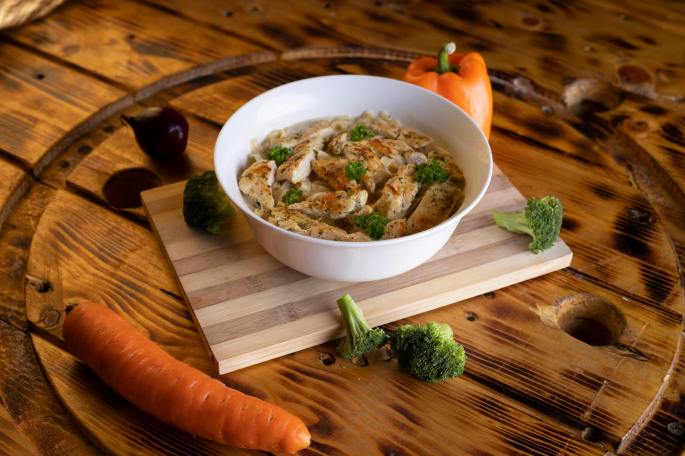
2. Classic Chicken Soup

Ingredients:

  • 1 lb boneless, skinless chicken breasts
  • 8 cups low-sodium chicken broth
  • 2 cups carrots, sliced
  • 1 cup celery, chopped
  • 1 medium onion, diced
  • 3 cloves garlic, minced
  • 1 teaspoon dried thyme
  • 1 teaspoon dried rosemary
  • 1 bay leaf
  • Salt and pepper to taste
  • Fresh parsley for garnish

Instructions:

  1. In a large pot, bring the chicken broth to a simmer. Add the chicken breasts and cook until fully cooked, about 15-20 minutes. Remove the chicken, shred it, and set aside.
  2. In the same pot, add the onion, garlic, carrots, and celery. Cook for 5-7 minutes until vegetables are softened.
  3. Stir in the shredded chicken, thyme, rosemary, bay leaf, salt, and pepper. Simmer for another 10-15 minutes.
  4. Remove the bay leaf and garnish with fresh parsley before serving.

Nutritional Information (per serving, serves 6):

  • Calories: 220
  • Protein: 28g
  • Carbohydrates: 10g
  • Dietary Fiber: 2g
  • Total Fat: 8g

3. Cheesy Vegetable Casserole

Ingredients:

  • 2 cups broccoli florets
  • 2 cups cauliflower florets
  • 1 cup carrots, shredded
  • 1 cup shredded low-fat cheddar cheese
  • 1 cup plain Greek yogurt
  • 1/2 cup whole wheat breadcrumbs
  • 2 cloves garlic, minced
  • 1 tablespoon olive oil
  • Salt and pepper to taste

Instructions:

  1. Preheat the oven to 350°F (175°C).
  2. In a skillet, heat olive oil over medium heat. Sauté garlic for 1 minute, then add broccoli, cauliflower, and carrots. Cook until just tender, about 5-7 minutes.
  3. In a large bowl, combine the sautéed vegetables, Greek yogurt, and half of the cheddar cheese. Season with salt and pepper.
  4. Transfer the mixture to a greased baking dish. Top with remaining cheese and whole wheat breadcrumbs.
  5. Bake for 25-30 minutes, until the top is golden and bubbly.

Nutritional Information (per serving, serves 6):

  • Calories: 210
  • Protein: 12g
  • Carbohydrates: 20g
  • Dietary Fiber: 4g
  • Total Fat: 10g

Just a reminder

Comfort food doesn’t have to be an indulgent treat that derails healthy eating habits. With these recipes, you can enjoy hearty meals that are both satisfying and nourishing, perfect for those chilly evenings at home with the family and friends. Each dish brings its unique flavors and comforting qualities, making them ideal for sharing. You can even take it a step further and have everyone help prep, even in a small kitchen area, kids or friends can help with preparations. So, gather around the table and enjoy the warmth and love that comes from good food this season and help keep the blues at bay!

Coping with Seasonal Affective Disorder

Strategies for Brightening the Darker Days

As the seasons change and daylight hours dwindle, many individuals experience a form of depression known as Seasonal Affective Disorder (SAD). This condition typically arises during the fall and winter months, when natural sunlight is scarce, leading to symptoms such as fatigue, irritability, changes in sleep patterns, and a general sense of sadness. If you find yourself feeling down during the colder months, here are several effective strategies to help cope with Seasonal Affective Disorder.

Understanding Seasonal Affective Disorder

Seasonal Affective Disorder is a type of depression that follows a seasonal pattern. Symptoms can vary from mild to severe and often include:

  • Low energy or fatigue
  • Difficulty concentrating
  • Changes in sleep patterns (oversleeping or insomnia)
  • Weight gain or loss due to changes in appetite
  • Feelings of hopelessness or despair

While SAD can affect anyone, it’s more prevalent in women and individuals living in northern latitudes where daylight is limited in winter.

Effective Coping Strategies

1. Light Therapy

One of the most common treatments for SAD is light therapy, which involves exposure to a special light box that mimics natural sunlight. This therapy helps regulate your body’s circadian rhythms and can alleviate symptoms. Here are some tips for effective use:

  • Duration: Aim for 20-30 minutes of exposure each morning.
  • Timing: Use the light box in the morning when you wake up, as it helps set your body’s internal clock.
  • Quality: Choose a light box that emits 10,000 lux and filters out UV rays.

2. Stay Active

Physical activity is a powerful tool against depression. Regular exercise can boost mood by increasing endorphins, improving sleep, and reducing anxiety. Here are some ways to incorporate movement into your routine:

  • Outdoor Activities: Even in colder weather, consider walking, hiking, or participating in winter sports like skiing or snowshoeing to get sunlight exposure.
  • Indoor Workouts: Join a gym, try online fitness classes, or practice yoga at home to stay active regardless of the weather. There are a number of apps and Youtube channels for indoor workouts.

3. Maintain a Routine

I cannot stress routine enough when experiencing mental health issues. Establishing a daily routine can provide structure and stability, which can be especially helpful during the winter months. Here’s how to create an effective routine:

  • Regular Sleep Schedule: Go to bed and wake up at the same time each day to regulate your circadian rhythm. It is so easy to get a routine disrupted by a late night on the weekends, and it is ok to have a late night, but don’t let it derail your routine. 
  • Meal Planning: Prepare balanced meals at consistent times to help manage energy levels and mood.Meal planning may seem daunting at first, but it can be as simple or as complicated as you would like. 

4. Connect with Nature

Getting outside, even on cloudy days, can have a positive effect on your mood. Here are some ideas:

  • Nature Walks: Take short walks in a local park or nature reserve. The natural surroundings can be uplifting.
  • Gardening: If possible, try indoor gardening or plan for spring gardening to keep your connection to nature alive.

5. Nurture Social Connections

Social support is crucial for mental health. Stay connected with friends and family, and don’t hesitate to reach out for help or companionship:

  • Regular Check-Ins: Schedule regular calls or video chats with loved ones. You can let them know you are struggling or just simply enjoy a nice chat, either way, making it a point to stay connected is crucial. 
  • Join Groups: Consider participating in community activities, classes, or support groups to meet new people. This can mean even groups on social media. It is not a new idea per se but even our online friends can be points of connection for those who may also struggle with being introverted or very private people. 

6. Mindfulness and Relaxation Techniques

Practicing mindfulness can help you stay grounded and reduce feelings of anxiety and sadness. Here are some techniques to try:

  • Meditation: Start with just a few minutes a day, gradually increasing the duration as you become more comfortable. Try a podcast or youtube video to help get you started and then you can strike out on your own or continue with guided meditation.
  • Deep Breathing Exercises: Simple deep breathing can help calm your mind and reduce stress. It sounds silly, to tell people to breathe, we do it involuntarily all day long, but deep breathing is different. You concentrate on taking deep cleansing breaths and exhaling as much as possible. It really can help to soothe you.

7. Consider Professional Help

If symptoms are severe or persistent, seeking professional help is essential. Therapy options include:

  • Cognitive Behavioral Therapy (CBT): This approach can help you identify and change negative thought patterns.
  • Medication: Antidepressants may be recommended by your healthcare provider if other treatments are ineffective.

In parting, please remember:

Coping with Seasonal Affective Disorder requires a multifaceted approach, combining light therapy, physical activity, social support, and mindfulness practices. By implementing these strategies, you can create a more positive experience during the darker months. Remember, you’re not alone, and there are resources available to help you navigate SAD. If your symptoms persist, don’t hesitate to seek support from a mental health professional. Embrace the changes of the season and find ways to bring light into your life!

Here’s a list of helpful YouTube channels and podcasts that focus on coping with Seasonal Affective Disorder (SAD) and mental wellness:

YouTube Channels

  1. Therapy in a Nutshell
    YouTube Channel
    Offers practical tips for mental health, including coping strategies for SAD.
  2. The School of Life
    YouTube Channel
    Provides insights on emotional well-being, including seasonal mood changes.
  3. Kati Morton
    YouTube Channel
    A licensed therapist discussing mental health topics, including SAD.
  4. Mindful Peace
    YouTube Channel
    Focuses on mindfulness and meditation techniques that can help with mood regulation.
  5. Psychology In Seattle
    YouTube Channel
    Discusses mental health topics, including the effects of seasons on mood.

Podcasts

  1. Therapy Chat
    Podcast Link
    Discusses various mental health issues, including seasonal affective disorder.
  2. The Happiness Lab
    Podcast Link
    Explores the science of happiness and well-being, with episodes relevant to coping with seasonal changes.
  3. Mindful Muslim Podcast
    Podcast Link
    Focuses on mental wellness and coping strategies, including managing seasonal affective disorder.
  4. The Anxiety Coaches Podcast
    Podcast Link
    Offers insights on managing anxiety, which can be heightened by SAD.
  5. The Trauma Therapist Podcast
    Podcast Link
    While focused on trauma, it provides useful strategies for emotional health that can apply to SAD.

Feel free to explore these resources for support and strategies to cope with Seasonal Affective Disorder!

Game Day Delight: Healthy Alternatives to Your Football Season Favorites

Keeping it healthy while enjoying American football!!!

Football season is in full swing!! My family prefers college football to the NFL but are fans of former OU quarterbacks Baker Mayfield, Jalen Hurts and of course Travis Kelce who played for the University of Cincinnati. With that said, many of us look forward to gathering with friends and family for game day festivities. However, traditional game day foods can often be heavy and unhealthy. The good news is that you can enjoy your favorite snacks while making healthier choices! Here’s a guide to delicious, nutritious alternatives that cater to gluten-free and vegan diets, ensuring everyone can join in on the fun. You can always mix and match your offerings to balance and have some other favorites, but here we are offering some healthier options.

Classic Game Day Favorites and Their Healthier Alternatives

1. Chips and Dip

Traditional Option: Potato chips and creamy dips.

Healthy Alternatives:

  • Baked Sweet Potato Chips: Slice sweet potatoes thinly, toss with a little olive oil and sea salt, and bake until crispy. Sweet potatoes are high in fiber and vitamins.
  • Guacamole or Hummus: Pair with veggie sticks (carrots, celery, bell peppers) or gluten-free tortilla chips. Guacamole is rich in healthy fats, while hummus offers plant-based protein.

2. Buffalo Wings

Traditional Option: Fried chicken wings with spicy sauce.

Healthy Alternatives:

  • Cauliflower Buffalo Wings: Toss cauliflower florets in a mix of gluten-free breadcrumbs and hot sauce, then bake until crispy. They’re low in calories and high in fiber.
  • Vegan Chickpea Salad Sandwiches: Mash chickpeas with vegan mayo, celery, and hot sauce for a flavorful filling on gluten-free bread or lettuce wraps.

3. Pizza

Traditional Option: Pepperoni or cheese pizza with a wheat crust.

Healthy Alternatives:

  • Cauliflower Crust Pizza: Make a crust using riced cauliflower, almond flour, and vegan cheese. Top with your favorite veggies and marinara sauce for a guilt-free treat.
  • Portobello Mushroom Pizzas: Use large portobello caps as a base, topped with tomato sauce, vegan cheese, and assorted veggies.

4. Nachos

Traditional Option: Tortilla chips topped with cheese and ground beef.

Healthy Alternatives:

  • Black Bean Nachos: Layer baked corn tortilla chips with black beans, fresh salsa, avocado, and jalapeños. Black beans add protein and fiber, making this a more nutritious option.
  • Vegan Cheese Sauce: Create a delicious cheese sauce using blended cashews, nutritional yeast, and spices for a creamy topping.

5. Desserts

Traditional Option: Cookies or brownies.

Healthy Alternatives:

  • Energy Bites: Mix oats, nut butter, chia seeds, and a touch of honey or maple syrup. Roll into balls for a sweet, protein-packed snack.
  • Vegan Chocolate Avocado Mousse: Blend ripe avocados with cocoa powder and a natural sweetener for a creamy, rich dessert that’s also dairy-free and gluten-free.

Tips for a Healthy Game Day

  1. Plan Ahead: Preparing snacks in advance can save time and ensure you have healthy options on hand. Consider batch cooking items like the cauliflower wings or energy bites.
  2. Stay Hydrated: Replace sugary sodas or alcoholic beverages with sparkling water infused with fruits or herbal teas. Staying hydrated will help you feel your best during the festivities.
  3. Portion Control: Use smaller plates or bowls for snacks to help manage portions. This allows you to sample a variety of foods without overindulging.
  4. Mindful Eating: Focus on the flavors and textures of your food. Eating mindfully can enhance satisfaction and help prevent overeating.

Wrapping up 

Football season doesn’t have to mean sacrificing health for enjoyment. With these delicious and nutritious alternatives, you can savor your favorite game day snacks while keeping your meals gluten-free and vegan. Gather your friends, fire up the grill, and enjoy a healthy game day that everyone will love! Let the festivities begin!