Embracing Life’s Imperfections: A Thanksgiving Reflection

A Week of Imperfect Consistency, Sweet Memories, and Deep Gratitude

I’ll be honest — consistency was not my strong suit this week. I had every intention of sticking to my routine, but life had other plans. A doctor’s appointment, Thanksgiving preparations, a Friendsgiving I was supposed to attend, and even a memorial service… it all stacked up quickly.

In the end, I didn’t make it to either the Friendsgiving or the memorial service. I woke up with a migraine — one of those “thank you, fall weather” migraines that completely derail the whole day. So instead of people and plans, I surrendered to rest when my body demanded it.

And once the fog lifted, I did what brings me comfort: I headed to the kitchen.

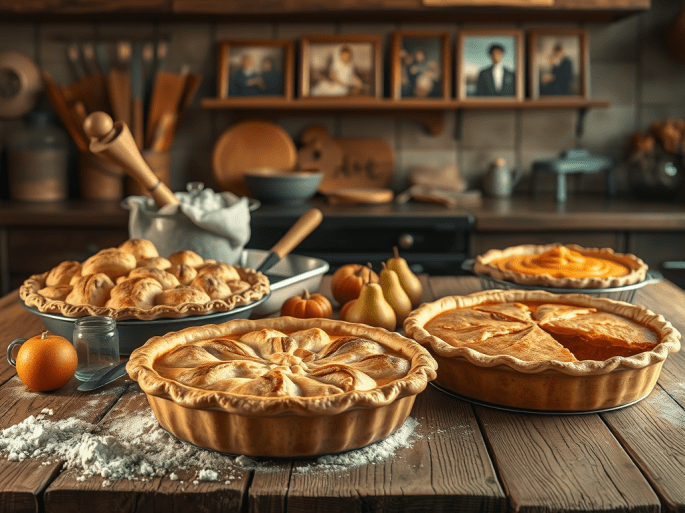
With apples, pumpkins, and pears staring me down, I rolled up my sleeves and lost myself in the rhythm of cooking for the people I love. Apple pie. Pear tart. Pumpkin pie. As the dough came together under my hands, memories surfaced — childhood flashes of rolling out pie crusts with my mom and my Granny. Bittersweet moments. Warm hands guiding mine. Laughter. Flour everywhere.

I thought of them as my crust came out buttery, flaky, and honestly… perfect. That quiet pride felt like a little hug from the past.

Then came the Lemon Delight — the recipe taught to me by my former mother-in-law, Debbie, who learned it from her mother-in-law, Margaret. Generations of women passing down love through something as simple as dessert. I could hear Debbie’s voice reminding me that you just can’t mess up Lemon Delight. It’s simple, forgiving, and always delicious — a lot like the lessons she gave me.

As I stirred, baked, and tasted my way through the day, I found myself whispering quiet gratitude:

Here’s to my Mom.
Here’s to my Granny.
Here’s to Debbie and Margaret.
Here’s to the women who came before me, who made the dishes their families loved, and who poured themselves — heart and soul — into every meal.

Today, I honor them. I thank them for the love, the memories, the laughter, and the skills that let me move through a kitchen with confidence and purpose. Even in the darkest seasons of life, feeding the people I love anchors me. It gives me something solid to stand on.

I hope your Thanksgiving was full of warmth, good food, gentle moments, and the people who matter most. And if your week looked a little imperfect like mine? That’s okay. Life happens.

Here’s to being present anyway — in the kitchen, in the memories, and in the moments that matter.
Therapeutic Cooking: Finding Peace in Recipes

Finding Peace in the Kitchen: Cooking My Way Through the Chaos

Lately, I’ve been spending a lot of time in the kitchen — testing recipes, adjusting ingredients, and finding creative ways to use what I already have on hand. It’s not just about food; it’s about coping. It’s how I manage the discombobulation of my feelings, the uncertainty of the world, and the heaviness that sometimes tries to creep in. Cooking keeps my hands busy, my mind focused, and my heart grounded.

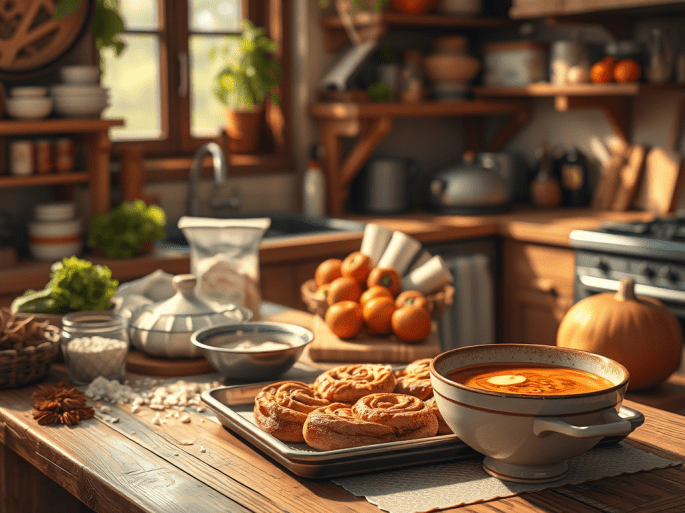
My kids are loving this little culinary journey — they’ve become my official taste testers. Not every recipe is a winner, but that’s part of the fun. My cinnamon rolls, for example, turned out tough and not fluffy at all. Instead of tossing them, I chopped them up, added a custard base, and turned them into a cinnamon roll French toast bake. It was a hit! Proof that even “failed” recipes can have delicious second lives.

I’ve been challenging myself to waste less and create more. Leftover taco meat, beans, Spanish rice, and corn turned into a comforting fall soup — some went straight into the freezer for another day. A close-dated can of fruit cocktail became the unexpected star of my “sweet heat salsa” when I mixed it with some red pepper flakes. I poured it over a pork roast, served it with mashed potatoes, and let me tell you — it was so good. Simple, cozy, belly-filling goodness.

Cooking every day — baking bread, making tortillas, mixing my own seasonings — has become more than a necessity. It’s a form of therapy. It helps me stay present and productive while I navigate this time of year, which has been difficult for me for a number of years. Recently, I restocked my pantry: flour, sugar, baking powder, cocoa, beans, potatoes, meats… all the staples that keep a kitchen humming. It gave me a strange sense of comfort and accomplishment — a reminder that even when life feels uncertain, there’s something deeply grounding about being able to nourish my family.

Sometimes, I think about my mom, Granny, Aunt Mertie, my former mother-in-law, and my Daddy. They all enjoyed my cooking, especially when my experiments turned out well. I think they’d be proud of me now — keeping their traditions alive while adding my own twist.

This — the mixing, the kneading, the simmering — this is how I cope. It’s how I manage the overwhelm, the grief, the unknown. It’s creative, it’s practical, and it fills both the stomach and the soul.

So if you’re feeling weighed down by the world or by your own thoughts, maybe try stirring something up in your kitchen. You might just find a bit of peace in the process, too.

Love and light, y’all.
And remember — you matter.

It’s Okay to Be Selfish with Your Time—In Fact, You *Should* Be

Time is the one resource we can never get back. We can earn more money. We can rebuild relationships. But once a moment passes, it’s gone forever. That’s why being *intentional*—and sometimes unapologetically selfish—with your time is not just okay, it’s essential.We live in a world that glorifies being busy. We’re constantly asked to do more, give more, be more. But constantly pouring into others without refilling yourself is a recipe for burnout, resentment, and even health issues. Here’s the truth: you can’t pour from an empty cup.

It’s okay to say no to that fundraiser. It’s okay to skip the party, even if everyone else is going. It’s okay to let a friend know, “Hey, I love you, but my social battery is low right now. I need to rest.” This isn’t being selfish in the negative sense—it’s *self-preservation*. Protecting your peace, your energy, and your time is an act of self-respect. Every commitment you make—every “yes”—costs you something. Time, energy, money, mental bandwidth. And those things are finite.When you protect your time, you’re actually being honest about your priorities. And sometimes, those priorities need to be **you**: your health, your mental wellbeing, your finances, your peace. That’s not only acceptable—it’s *wise*.Because when you’re well-rested, grounded, and financially stable, you’re *better* for everyone around you. You’re a better friend, parent, partner, coworker, neighbor. Boundaries aren’t walls; they’re filters. They help you protect what matters most.

So let this be your permission slip:

Say no.

Stay home.

Log off.

Take the nap.

Prioritize the workout.

Decline the call.

Your time is precious. Treat it like it is. You deserve to be the main character in your own life—not just a supporting role in everyone else’s.–love and light y’all

My Gardening Plan: Growing for Health and Family

Gardening is more than just a pastime for me; it’s a therapeutic practice that benefits both my mind and body. I live in Zone 8b, and although I’ve only had one truly successful garden, that one year was fantastic for my whole family. The fresh food, time spent outdoors, and sense of accomplishment made a lasting impact, and I’m excited to plan another great growing season.

Why Gardening Matters to Me

  1. Stress Reduction – Digging in the soil, planting seeds, and tending to plants help me unwind after a long day.
  2. Mindfulness and Relaxation – Gardening allows me to slow down and connect with nature, making me more present in the moment.
  3. Exercise and Outdoor Time – Spending time outside moving around in the garden is a great way to stay active and soak up some vitamin D.
  4. Family Connection – My family loved having fresh produce at home, and it became something we all enjoyed together.

My Plan for This Year’s Garden

Finding My Growing Zone

Since I’m in Zone 8b, I have a long growing season with mild winters, which means I can grow a wide variety of crops. If you’re unsure of your zone, check it here: USDA Plant Hardiness Zone Map.

1. Starting Seeds Indoors

Since my successful year taught me that starting early is key, I’ll begin seeds indoors 6-8 weeks before the last frost date. Here’s what I plan to start early:

  • Tomatoes
  • Peppers
  • Broccoli
  • Cabbage
  • Herbs (basil, thyme, parsley)

I’ll use seed trays with high-quality seed-starting mix and keep them near a sunny window or under grow lights.

2. Preparing the Soil

Last time, I realized healthy soil made a big difference. This year, I’m preparing by:

  • Adding compost for nutrients
  • Testing soil pH and adjusting if necessary
  • Mulching to retain moisture and suppress weeds

For container gardening, I’ll use high-quality potting soil mixed with compost.

3. Choosing Onion and Potato Starts

Since my family loved fresh onions and potatoes, I’m making them a priority this year. In Zone 8b, late winter to early spring is the best time for planting:

  • Onions – I’ll buy onion sets or transplants and plant them in well-drained soil.
  • Potatoes – I’ll purchase seed potatoes and plant them in trenches, gradually covering them with soil as they grow.

4. Companion Planting & Crop Grouping

I want to maximize my garden space and reduce pests naturally, so I’m pairing plants strategically:

  • Tomatoes, Basil, Marigolds – Basil enhances tomato flavor, and marigolds deter pests.
  • Carrots & Onions – Onions help keep carrot flies away.
  • Beans & Corn – Beans fix nitrogen in the soil, which benefits corn.
  • Lettuce & Radishes – Radishes help loosen the soil for lettuce.

My Approach to Small-Space Gardening

Even though I have space for a garden, I also love growing in containers for easy access to fresh produce. This year, I’m growing:

  • Cherry Tomatoes – In 5-gallon buckets or large pots.
  • Lettuce & Spinach – In shallow containers for quick harvests.
  • Strawberries – In hanging baskets for fresh picking.
  • Herbs – Basil, mint, and rosemary in small pots near the kitchen.
  • Peppers – Compact and productive in containers.

Vertical Gardening

To make the most of my space, I’m using vertical planters, trellises, and hanging baskets. Climbing plants like cucumbers, beans, and peas will thrive in this setup.

Expanding to a Larger Garden

Last time, my garden was relatively small, but this year, I’m expanding. Here’s how I’ll set up my new space:

  • Crop rotation to maintain soil health
  • Irrigation systems for efficient watering
  • Square-foot gardening to optimize space and production

Visual Guides for Planning

I rely on visual references to keep my plan on track:

  • A seasonal planting guide for Zone 8b
  • Companion planting chart
  • Container gardening layouts
  • Raised bed designs

Final Thoughts

My first successful garden was a game-changer for my family. Now, I’m excited to refine my plan and build on what worked. Whether you’re just starting or looking to improve your garden, I encourage you to take small steps and enjoy the process.

What’s Next?

  • Check local frost dates and plan accordingly.
  • Gather seeds, soil, and containers.
  • Start small and expand as confidence grows.

Here’s to another great growing season—happy gardening from Zone 8b!

All is not lost

Getting Back on Track: Embrace the Challenge and Reboot with Confidence

We’ve all been there. You set out with the best of intentions—whether it’s landing that dream job, sticking to a workout routine, eating healthier, or forming any positive habit—but somehow, life happens, and we get off track. It’s easy to feel frustrated, overwhelmed, or even defeated when we stray from our goals. But here’s the thing: we’re never too old to reboot, and it’s never too late to pick ourselves back up and keep moving forward.

1. Acknowledge the Setback, But Don’t Dwell on It

The first step in getting back on track is simply acknowledging that you’ve fallen off course. Whether it’s a job search that’s been stalled, a fitness routine that’s been abandoned, or a healthy eating plan that’s been pushed to the back burner, it’s important to be kind to yourself. Life is full of setbacks and distractions, and that’s normal. We’re all human, after all. It is important to remember that even if you WERE a robot, they require maintenance too, and so will you. So be gentle with yourself, dear reader.

Instead of focusing on guilt or disappointment, treat this moment as an opportunity to reassess, reflect, and restart. Acknowledge where you are, but don’t get stuck there.

2. Break It Down Into Smaller, Manageable Steps

Once you’ve given yourself grace, the next step is to make your goal feel more achievable. Trying to dive straight back into a long-term objective can be overwhelming. Whether you’re resuming your job hunt, picking up weights at the gym again, or preparing a healthy meal, start small.

  • If you’re searching for a job, instead of feeling the pressure to apply for dozens of positions in a single day, aim for one or two quality applications each day.
  • For fitness, instead of committing to an hour-long workout, start with a short 15-minute routine that’s manageable and builds momentum.
  • When it comes to healthy eating, focus on one meal at a time rather than trying to overhaul your entire diet in one go.

By breaking your goals down, you not only make them more achievable but also start gaining momentum and confidence.

3. Face Challenges, Face Rejection, and Keep Going

One of the most difficult aspects of any journey is facing setbacks, whether it’s rejection during a job search, missed workouts, or slipping back into old eating habits. Rejection and failure can be painful, but they are also powerful teachers. They show us where we can improve and where we can pivot.

Don’t let a rejection define you—whether from an employer or a failure in sticking to a habit. Use it as fuel for growth. Each time you face a challenge, you build resilience and strength. When the going gets tough, that’s when the true growth happens.

4. Keep Your Eyes on Progress, Not Perfection

As you reboot, remember that perfection isn’t the goal. The goal is progress. Whether it’s landing your next job, regaining your fitness, or simply eating more balanced meals, progress, no matter how small, is worth celebrating. Be proud of each step forward. And if you slip up, don’t give up altogether. Success isn’t linear, and growth comes with its ups and downs.

Sometimes, even a tiny change in perspective can make a world of difference. Instead of focusing on the times you’ve missed the mark, focus on how far you’ve come since you started. Each day is an opportunity to take one more step closer to your goals.

5. Embrace Lifelong Growth

One of the most empowering truths we can adopt is that we’re never too old to learn, to evolve, or to start something new. Whether you’re venturing into a new career path, challenging yourself with a new workout, or discovering healthier ways to nourish your body, there’s always room for growth.

Being open to new experiences, learning from challenges, and continuing to improve—no matter our age or where we are in life—creates a richer, more fulfilling life.

In Conclusion: Keep Rebooting, Keep Moving

No matter where you are in your journey, remember this: setbacks don’t define your success. Rebooting doesn’t mean you’ve failed; it means you’re still on your way. Challenges, rejections, and obstacles are all part of the process, and they don’t stop us from growing. The most important thing is to keep going, to keep learning, and to keep striving to be better than you were yesterday.

So if you’ve fallen off track, it’s okay. You’re not alone, and you have the power to restart. Take that first step today—because progress begins with one small action.