Embracing Struggle

How Life’s Challenges Lead to Blessings

Life has a way of throwing curveballs at us when we least expect them. There are moments when the weight of our struggles feels unbearable, and it’s easy to fall into the trap of thinking that we are being punished or that we will never overcome the obstacles in our path. Yet, if we take a step back and look at our lives from a broader perspective, we might realize that struggle isn’t the enemy—it’s a necessary part of growth, transformation, and ultimately, the realization of our blessings.

The truth is, we often stand in the way of our own blessings, not because they aren’t meant for us, but because we struggle to embrace the challenges that are essential for our growth. Struggle, as paradoxical as it may seem, is part of the divine design of life. When we’re experiencing hardship, it’s easy to focus on the pain or the apparent lack of progress. But what if, instead of resisting those difficult times, we leaned into them? What if we learned to trust that, even when things seem bleak, something greater is unfolding behind the scenes?

The Gift in Struggle

Struggle teaches us resilience. It forces us to grow in ways we never would have imagined. When life tests us, we uncover strengths within ourselves we didn’t know existed. It’s in the hard moments—when we feel like we’re at our lowest—that we discover a well of courage, patience, and determination we never thought we had. It’s in the darkest valleys that we develop the perspective to truly appreciate the peaks.

The famous author C.S. Lewis once said, “Hardships often prepare ordinary people for an extraordinary destiny.” How true this is! Often, we look at our struggles as things to avoid or eliminate, but they are often the very things that shape our future. Our challenges bring us closer to the people we are meant to be. Without those tests, without those failures, we wouldn’t have the capacity to appreciate the victories, the light, or the blessings when they arrive.

Faith and the Power of the Unseen

There’s a deep, unspoken truth in life: sometimes, we don’t see the good that is coming to us, not because it isn’t there, but because it isn’t visible yet. Faith is the quiet assurance that something greater than ourselves is at work. It’s the belief in things not seen, the trust that even when we can’t see the way forward, something beautiful is unfolding.

Whether you identify as religious or spiritual, many people have experienced moments where, looking back, they see how the challenges they faced led them to a place of profound growth and understanding. There’s a reason that “faith” is often spoken about in times of uncertainty—because it is in those moments, when we feel lost, that faith reminds us that there’s more to the story than what we see in front of us.

In these moments, it’s important to remember that what may feel like a setback is sometimes a redirection. Life, in its mysterious way, is preparing us for something far better than what we could have imagined. What we interpret as failure could be a setup for success—a process we have to go through to become who we’re truly meant to be.

Gratitude for the Darkness

It’s easy to be grateful when things are going well. We’re thankful for the good health, the steady job, the happy relationships. But what about when things are not going well? Can we also find gratitude in those times? Can we be thankful for the struggles, the challenges, the darkness?

I believe we can, and we should. The darkness teaches us to appreciate the light. It’s in the moments of deep struggle that we learn to recognize the power of joy, peace, and contentment when they do come. Imagine how easy it would be to take blessings for granted if we didn’t know what it was like to feel without them.

Gratitude for the darker times isn’t about ignoring the pain or pretending that everything is fine. It’s about recognizing that through hardship, we grow. We become more compassionate, more understanding, more resilient. We develop a deeper sense of gratitude for the things we used to take for granted. And in this process, we cultivate a strength that can only come from facing the storms of life head-on.

Growing Through What We Go Through

Ultimately, life is about growth. We are meant to evolve, to learn, to adapt. The struggles we face aren’t there to defeat us—they are there to refine us. Every time we face a challenge, we have a choice: we can give in to defeat, or we can use that challenge as an opportunity to grow. When we choose growth, we choose the path that leads us to better versions of ourselves.

Through each struggle, we develop new skills, insights, and emotional intelligence that enable us to navigate future challenges with greater ease. And when we approach life with a mindset of growth, we begin to see opportunities in places we once saw only obstacles.

So, instead of focusing on the difficulty of the moment, let’s shift our perspective. Let’s ask ourselves: What can I learn from this experience? How can I grow from this challenge? How can I use this to become a better version of myself?

The Blessing in the Struggle

Looking back on the challenges we’ve faced, it’s easy to see how they shaped who we are today. Some of our biggest blessings may have been disguised as hardships in the beginning. The job that felt like a dead end may have led to a more fulfilling career later. The relationship that ended may have opened the door for a deeper connection with someone else. The illness or setback may have forced us to slow down and reevaluate our priorities, leading us to a healthier, more balanced life.

In the midst of struggle, we can’t always see how things will unfold, but we can trust that, just as the sun rises after the darkest nights, so too will brighter days follow our challenges. Our struggles don’t define us—they refine us, helping us become who we are meant to be, ready to embrace the blessings that are on their way.

Wrapping it up for you:

Life is a mixture of light and dark, joy and sorrow, success and failure. It’s easy to be thankful when things are going well, but the true test of our character comes when we learn to appreciate the value of struggle, to embrace the unknown with faith, and to cultivate gratitude even in the darkest moments.

Through the struggles, the setbacks, and the pain, we grow. And in that growth, we discover our deepest blessings. So, the next time life feels like it’s challenging you beyond measure, remember this: your growth is happening in those moments. You are being prepared for something far greater than you can imagine, and sometimes, the struggles you face today are the stepping stones to the blessings of tomorrow.


Simple Resolutions for self-care

  As the new year begins, many of us set ambitious goals, hoping to overhaul our lives and habits. However, in the hustle and bustle of everyday life, those big resolutions can quickly feel overwhelming. Instead of aiming for perfection or drastic change, focus on small, sustainable steps that prioritize your mental health and self-care. Remember, it’s not about doing it all—it’s about doing what you can, when you can. Here are a few simple, yet effective resolutions that can make a big difference over time.         

      1. Take the Walk: It’s easy to overlook the power of a simple walk. Whether it’s around the block or just down the street, a brief walk can clear your mind, reduce stress, and improve your mood. It’s a form of exercise that doesn’t require a gym, and the fresh air can do wonders for your mental health. Aim for 5-10 minutes a day—just getting outside can reset your mind. 

  2. Do the Stretches. Stretching is a powerful self-care practice, not just for your body, but for your mind as well. Stretching helps release physical tension that often builds up throughout the day, and taking a few moments to stretch can also help improve focus and energy. Even if it’s just for 5 minutes after waking up or before going to bed, these small efforts will add up to significant benefits.

  3. Journal Your Thoughts.       Writing down your thoughts is a simple, effective way to declutter your mind. You don’t need to write a long, detailed essay every day—just a few sentences or bullet points to express what’s on your mind. Journaling helps you reflect on your feelings, track progress, and manage stress. Even if it’s just a quick entry in the morning or before sleep, it can give you clarity and peace of mind.       

4. Practice Gratitude! Start your day by writing down one thing you’re grateful for. It’s easy to get caught up in life’s challenges, but practicing gratitude helps shift your focus to the positive. This small habit, done daily, can improve your mood, build resilience, and foster a more optimistic outlook on life.     

5. Breathe and Be Present.   In the hustle of daily life, it’s easy to forget to slow down. Take 5 minutes to focus on your breathing—inhale deeply, exhale slowly, and bring your awareness to the present moment. This simple practice can help reduce anxiety, clear mental fog, and bring a sense of calm during chaotic times. You don’t need a lot of time to experience the benefits; just a few moments can make a big impact.

The Key: Consistency Over Perfection. The goal here isn’t to overwhelm yourself with elaborate routines or unattainable goals. The power of self-care lies in consistent, small actions that support your mental health over time. Remember, five minutes here and there can lead to big improvements. Whether it’s taking a short walk, doing a few stretches, or simply taking a moment to breathe, these actions, repeated regularly, build positive habits that will last throughout the year.  

Final Thoughts:

Self-care and mental health don’t require grand gestures or elaborate plans. By taking small, manageable steps every day, you create a foundation for long-term wellness. This year, make a commitment to yourself to take the small steps that add up to a healthier mind and body. You’ve got this—one step at a time.

Missing people, places, things…

I didn’t post like normal. That is on me. I have been trying to be consistent with my posts and the information I share. However, I have had to take my own advice and be present, be mindful, and take care of me.

My cousin, who helped to take care of my parents as they declined, is now preparing to say goodbye to one of her daughters. My nephew is helping his wife through the loss of her father on Christmas Eve. My kids have been sick with something viral that is lingering and making them miserable. Then, my older sister has several weird anaphylactic reactions that have her hospitalized for 2 days. Those are just the major things and so many other little things blew up over the last 10 days.

And while the holidays have often had at least some good memories; this year, the whole year has felt OFF. It has been as if something bad was around every corner. I’m not saying that we haven’t gotten through the hard things, but my goodness, the heaviness was almost too much. I keep going back to my previous posts and reminding myself to take my own advice.

Breathe. Eat good food. Hydrate. Get restful sleep. Do some sort of exercise. And sometimes the simplest things can be the most beneficial.

The journey we are on doesn’t have to be perfect. We do need to keep the principles in mind. We can learn to cope with even some of the worst of circumstances. I keep being reminded how fleeting this life is. Everything is temporary. Today, I just reminded me and mine that we have survived 100% of things we thought would kill us.

Today, I will leave you all with a quote from Ernest Hemingway, “The world breaks everyone, and afterward, many are strong at the broken places.”

Always,

Julie

Panic attacks how? Why? Trying to cope


Understanding Panic Attacks:
Panic attacks are some of the most overwhelming and distressing experiences I’ve ever faced. At times, I am able to ground myself, breathe through the panic, and regain control. But other times, it feels like the only option is to bolt, to find a truly safe space, and just let myself cry until I’m wrung out. It’s not a cry of sadness—it’s an uncontrollable, physical reaction to fear that my body simply cannot fight.
A panic attack can occur without warning, and often, there is no clear reason why it happens. Yet, common triggers can include:
Chronic Stress and Anxiety: Over time, stress—whether from work, relationships, or life challenges—builds up and can lead to panic attacks.
Trauma or PTSD: Past traumatic events can trigger panic attacks, and even things that remind you of that trauma can set them off.
Health Concerns: Physical conditions, such as heart issues or hormonal imbalances, may also contribute to panic attacks.
Genetics: There may be a genetic link that makes some people more prone to panic and anxiety.
Phobias: Fears like being in crowded spaces, flying, or even facing social situations can act as triggers.
What makes panic attacks particularly challenging is that they often happen without any warning. You can feel fine one moment, and the next, your body is overtaken by this uncontrollable wave of terror. The most frustrating part is that it’s not about sadness or emotional distress—it’s a visceral experience that can feel impossible to control.

How to Cope with Panic Attacks: Tips for Prevention and Grounding Techniques
When you’re in the midst of a panic attack, the overwhelming fear can feel suffocating. Over time, I’ve found ways to manage and cope, but it’s not always easy. Here are a few strategies that I have found helpful:
Mindfulness and Meditation: These practices help lower overall stress and anxiety levels. They train the mind to stay present, especially in moments when everything feels out of control. Even just five minutes of mindful breathing can make a difference.


Breathing Exercises: I’ve learned that focusing on my breath is one of the most effective ways to interrupt the panic cycle. The 4-7-8 breathing technique (inhale for 4 seconds, hold for 7, exhale for 8) can activate the body’s relaxation response and slow the racing heartbeat.


Routine and Self-Care: Maintaining a routine that includes regular sleep, exercise, and healthy eating habits helps build a foundation of well-being. While it doesn’t always prevent panic attacks, it can reduce their frequency and intensity.


Therapy: Cognitive Behavioral Therapy (CBT) has helped me reframe the way I respond to panic. Learning how to challenge negative thoughts and recognize the physical symptoms of anxiety before they escalate has been invaluable.


Medication: For some, medication can offer relief, especially when panic attacks are frequent or debilitating. It’s important to consult with a healthcare provider to find the right treatment plan.


How to Cope During a Panic Attack: Strategies in the Moment
In the thick of a panic attack, grounding yourself can feel impossible, but there are several techniques that have helped me when I can’t fight the urge to bolt:
Grounding Techniques: When I feel like I’m losing control, I focus on the present by using the “5-4-3-2-1” technique: Name five things I can see, four things I can touch, three things I can hear, two things I can smell, and one thing I can taste. This brings me back to reality when I feel detached from my surroundings.


Focus on Your Breath: Slowing down my breath is crucial. I breathe in deeply for four seconds, hold for four, and then exhale for eight. By repeating this, I can disrupt the fight-or-flight response and regain some calm.


Comforting Objects: I always try to have something small with me that brings comfort—whether it’s a smooth stone or a small piece of fabric. Holding it in my hand can help me feel grounded and safe.


Visualize a Safe Space: When the panic feels too intense, I close my eyes and imagine a place where I feel completely safe—sometimes it’s a memory, sometimes it’s a peaceful place I’ve created in my mind. I focus on the sensory details of this space—what it smells like, sounds like, and looks like.


Remind Yourself It Will Pass: It’s hard in the moment, but remembering that panic attacks usually pass within a few minutes can help ease the anxiety. The sensations you’re feeling are temporary, even if it feels like they’ll last forever.


Breaking the Stigma: Approaching the Subject of Panic Attacks with Others
Talking about panic attacks can be challenging, especially when there’s still a stigma surrounding mental health. When you try to explain the experience to others, it’s important to approach the subject with compassion, both for yourself and the person you’re sharing with.
Be Honest and Open: If you’re comfortable, be honest with those close to you about your experience with panic attacks. You don’t need to justify your feelings or explain yourself; simply expressing that panic attacks are a real, uncontrollable response can help others understand.


Use “I” Statements: Instead of saying, “You don’t understand what it’s like,” try using statements like, “I feel overwhelmed by panic sometimes, and it’s really hard for me to control.” This centers the conversation around your experience without blaming the other person for their lack of understanding.


Educate and Normalize: Sometimes, people don’t know how to respond to panic attacks because they’ve never experienced them. Sharing resources, books, or videos about panic attacks can help others understand what’s happening when you go through an episode.


Set Boundaries: It’s okay to set boundaries when explaining your experience. Let people know how they can support you in the moment—whether that’s giving you space, helping you practice grounding techniques, or simply offering a comforting presence.


Encourage Compassion: Mental health challenges, including panic attacks, are often misunderstood. Be patient with others as they learn to support you, and encourage compassion for yourself too. It’s important to remember that mental health struggles are just as real as physical health struggles.


Final Thoughts: Embracing Self-Compassion
Panic attacks don’t define who I am, but they are part of my reality. They are terrifying, exhausting, and often leave me feeling emotionally drained. But over time, I’ve learned to embrace myself during these moments, even when my body’s response feels out of my control. Crying isn’t a sign of weakness; it’s a release when words fail me. And while it’s tough, I know that these moments will eventually pass.
Learning to cope with panic attacks isn’t a linear journey, but with patience, practice, and support, it becomes more manageable. For anyone else struggling with panic attacks, know that you’re not alone. There is no shame in feeling overwhelmed. You are human, and you deserve to treat yourself with kindness and compassion during your toughest moments.

This version incorporates your personal insights and reflects the emotional complexity of dealing with panic attacks. It also provides practical advice while addressing the stigma and offering guidance on how to have open conversations about mental health with others.

Holidays can be hard on healthy eating

Navigating Holiday Foods: Eating in Moderation & Healthy Substitutes for Old Favorites

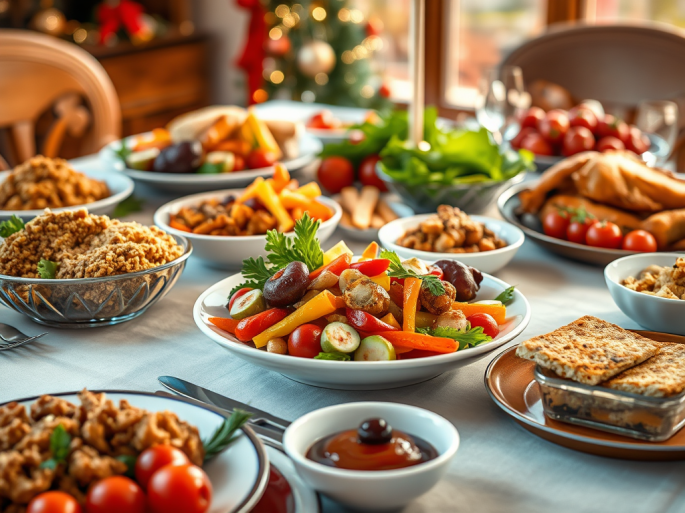
The holiday season is a time for celebration, family gatherings, and of course, delicious food. From decadent desserts to savory mains, it’s easy to overindulge during this festive time. However, with a little mindfulness and some creative swaps, you can enjoy all the flavors of the season without the guilt. Here are some tips on how to eat in moderation and make healthy substitutions, all while keeping the joy of holiday meals intact.

1. **Mindful Eating: Moderation is Key**
The key to navigating holiday meals is moderation. It’s okay to indulge a little, but try to be mindful of portion sizes and how often you indulge. Take time to savor each bite, and listen to your body’s signals of fullness. Here are a few strategies to help:

**Fill half your plate with vegetables**: Start with a base of colorful veggies, which are nutrient-dense and can help you feel fuller, leaving less room for heavier options.
**Use smaller plates**: Studies show that using smaller plates helps control portions. You’re less likely to overload your plate, which can contribute to overeating.
**Stay hydrated**: Drink plenty of water throughout the day, especially before meals. This can help curb hunger and prevent overeating.

2. **Healthy Substitutes for Holiday Favorites**
Old family recipes often come with a lot of butter, sugar, and heavy creams. While it’s important to honor those traditions, small substitutions can make a big difference in the nutritional value of your meals.

**Healthy Stuffing**
Stuffing is a holiday classic, but it’s often loaded with butter, white bread, and sodium-rich broth. Try this healthier twist:

– **Substitute whole-grain bread**: Use whole wheat or sprouted bread to add fiber and nutrients.
– **Use olive oil instead of butter**: Olive oil is a heart-healthy fat that will give your stuffing flavor without the extra calories.
– **Add veggies and fresh herbs**: Load up on veggies like onions, celery, carrots, and herbs like sage and thyme for added flavor and nutrition.

*Recipe: Healthier Stuffing*
– 4 cups cubed whole wheat bread
– 1 tablespoon olive oil
– 1 onion, diced
– 2 celery stalks, diced
– 1 carrot, shredded
– 1 cup low-sodium vegetable broth
– Fresh herbs (sage, rosemary, thyme)
– Salt and pepper to taste

**Instructions**: 
1. Preheat the oven to 350°F (175°C).
2. Heat olive oil in a large pan and sauté onions, celery, and carrots until softened.
3. Add the bread cubes and fresh herbs. Stir to combine.
4. Slowly add the broth until the bread is slightly moistened.
5. Transfer to a baking dish and bake for 25-30 minutes, until golden brown.

**Lower-Sugar Dessert Options**
Holiday desserts can be a sugar overload. Instead of sugary pies and cakes, consider healthier alternatives that still satisfy your sweet tooth.

– **Use natural sweeteners**: Replace sugar with natural sweeteners like honey, maple syrup, or stevia. These offer sweetness with fewer processed sugars.
– **Incorporate fruit**: Use fruits like apples, pears, or berries to add sweetness and texture to desserts.
– **Try almond or coconut flour**: For a gluten-free option, try baking with almond or coconut flour instead of refined flour.

*Recipe: Healthier Apple Crisp*
– 4 medium apples, peeled and sliced
– 1 tablespoon maple syrup
– 1/2 teaspoon cinnamon
– 1/4 teaspoon nutmeg
– 1/2 cup almond flour
– 1/4 cup rolled oats
– 1/4 cup chopped walnuts
– 1 tablespoon coconut oil, melted

**Instructions**: 
1. Preheat the oven to 350°F (175°C).
2. Toss the apple slices with maple syrup, cinnamon, and nutmeg, then spread them in a baking dish.
3. In a bowl, combine almond flour, oats, walnuts, and melted coconut oil. Sprinkle the mixture over the apples.
4. Bake for 25-30 minutes, until the apples are tender and the topping is golden.

#### **Swap Cream for Greek Yogurt**
If your holiday recipes call for heavy cream, substitute it with plain Greek yogurt. Greek yogurt adds creaminess without the extra calories and provides a boost of protein.

*Recipe: Healthy Creamed Spinach*
– 4 cups fresh spinach, chopped
– 1/2 cup plain Greek yogurt
– 1/4 cup grated Parmesan cheese
– 1 garlic clove, minced
– Salt and pepper to taste

**Instructions**: 
1. Steam or sauté spinach until wilted.
2. In a separate pan, sauté garlic in a small amount of olive oil.
3. Stir in the Greek yogurt and Parmesan, and cook until the mixture is smooth.
4. Add the spinach, salt, and pepper, and stir until combined.

3. **Stay Active and Grateful**
During the holidays, it’s easy to let exercise fall by the wayside. However, staying active doesn’t have to mean intense workouts. A family walk after a holiday meal, or a few minutes of stretching in the morning, can help you feel more energized and balanced.

As we close out another year, it’s important to remember that the holiday season is not just about food, but about gratitude and connection. Take a moment to reflect on the past year, spend time with loved ones, and appreciate all the good things in your life. Whether you’re making healthy swaps or enjoying traditional meals in moderation, the most important part of the season is the joy and love you share with others.

Remember, every family has their own traditions, and it’s important to find what works for you. Celebrate with joy, savor your meals, and stay mindful. Here’s to a healthy, happy holiday season and a new year full of possibilities!