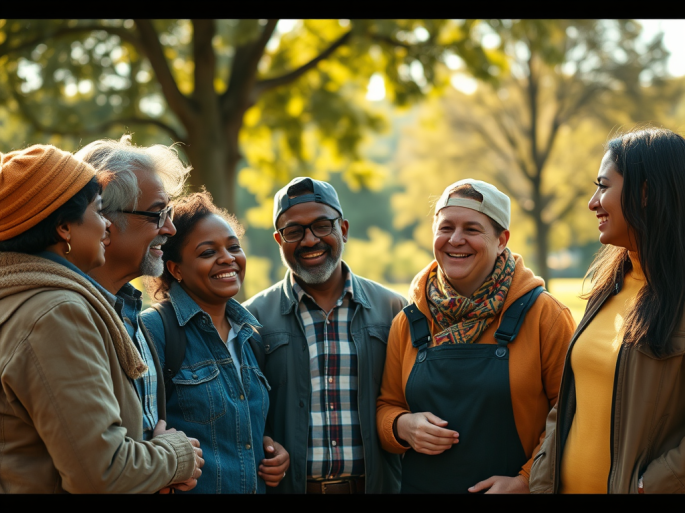
Post election America…

The Post-Election Atmosphere: Finding Hope, Healing, and Unity

The election season has come and gone, but its aftermath lingers in the hearts and minds of many Americans. For some, the results bring hope and optimism for the future, while for others, the uncertainty and division feel overwhelming. The heightened emotions, the rhetoric, the constant media barrage—it all takes a toll on mental health. But as we stand together in the post-election world, it’s important to remember that healing, hope, and unity are still possible. I know it can feel heavy right now, or maybe you are elated and find a sense of relief with the election results. Either way you still have to work alongside people who believe differently than you. Let’s find some ways to cope and find comfort in the coming days and months because we are all Americans and we have to keep moving forward. 

Understanding the Emotional Landscape

Regardless of the outcome, elections are more than just a political event. They are emotional milestones that reflect our values, fears, and dreams for the future. The stress leading up to the election—intensified by polarization, misinformation, and often divisive campaigns—can have lasting effects. Some people feel victorious, empowered by their candidate’s win, while others feel anxious, fearful, or even betrayed. For many, the fear isn’t just about who won or lost, but about what those outcomes could mean for their lives, their communities, and the country as a whole.

It’s crucial to acknowledge the fear and anxiety some are feeling. For people on either side of the aisle, the election process itself can sometimes feel like a giant game of tug-of-war, with the stakes so high that it becomes hard to see beyond the immediate moment. Many are grappling with a sense of uncertainty about the future, especially if they feel that the country’s direction no longer aligns with their values.

Yet, while this atmosphere may feel heavy, it is also an opportunity for us to pause, reflect, and find a way forward—together.

For Those Feeling Hopeful: Keep Building Bridges

For those who are feeling a sense of relief, joy, or hope after the election, it’s important to recognize that the journey doesn’t end at the ballot box. While victory may feel sweet, the true work of healing and unifying our nation starts now. The election is not a conclusion; it’s merely the next chapter.

You can be a source of hope for others by fostering understanding and empathy. Even if you feel your side has “won,” it’s essential to acknowledge that many others are struggling to come to terms with the results. Reaching out to those with differing opinions, listening to their concerns, and engaging in respectful conversations is a step toward healing. Our nation is built on the strength of our diverse perspectives, and we thrive when we come together, not when we retreat into isolated echo chambers.

So, continue to act with compassion. Continue to advocate for progress, but do so in a way that seeks common ground. Work on being inclusive, not just in policy but in your actions and words. This is how we make a real difference.

For Those Feeling Fearful or Uncertain: You Are Not Alone

If you’re feeling fearful or uncertain about the future, your emotions are valid. It’s okay to feel worried, and it’s okay to need time to process. The election results may have felt like a personal loss, especially if you deeply disagreed with the outcome or feel that your rights and values are under threat. But remember: feelings of fear, doubt, and anger are not the end of the story.

In these times, it’s crucial to take care of your mental and emotional health. Political anxiety can be real, and its effects on mental health are not to be underestimated. Feeling disillusioned, frustrated, or anxious about what comes next is normal, but it’s also important to find healthy ways to manage those emotions. This might mean limiting your exposure to the news or social media, connecting with a mental health professional, or simply giving yourself permission to step away from the constant cycle of political discourse.

It’s also vital to remember that change often happens gradually, and one election cycle does not define the future of a nation. If you are feeling despair or fear, try to focus on the things you can control. Invest in your community, support your local businesses, volunteer for causes you care about, or engage in meaningful conversations with others who may share your concerns. Change is not linear, and it’s okay to take a step back and regroup for the work ahead.

Moving Forward: Together as Fellow Americans

At the end of the day, we are all in this together. We all care deeply about the future of our country, even if we sometimes differ in our vision for it. The post-election atmosphere is a reflection of our democratic process—imperfect, yes, but driven by the shared ideal that each of us has a voice, and that voice matters.

No matter who you voted for, it’s essential that we all take a deep breath, reflect on our shared humanity, and move forward with a commitment to healing and understanding. It’s easy to focus on our differences, especially in such a polarized environment, but the future of America depends on our ability to find common ground, build bridges, and work together for the common good.

For both those who are feeling triumphant and those who are feeling fearful, there is hope. The future is not determined by the outcome of a single election—it is shaped by our collective actions, by how we treat each other, and by our willingness to listen, learn, and grow. Even in moments of uncertainty, there is always the possibility of growth, change, and healing.

Let’s move forward together—united as Americans, with empathy in our hearts and hope for a brighter tomorrow. After all, our nation was built not on perfection, but on the ability to continually strive to be better. Let’s keep striving. Together.

Here are some key numbers and resources that can help individuals who need mental health support:

1. National Suicide Prevention Lifeline (988)

  • Phone Number: Dial 988 (National Suicide Prevention Lifeline)
  • Website: https://988lifeline.org/
  • Details: The 988 Suicide & Crisis Lifeline is available 24/7 for anyone in distress, including those experiencing mental health crises, suicidal thoughts, or emotional distress. This helpline connects callers to trained counselors who can provide support and resources. It does not involve law enforcement unless the caller is in immediate danger.

2. Crisis Text Line

  • Text Number: Text HOME to 741741
  • Website: https://www.crisistextline.org/
  • Details: The Crisis Text Line provides free, confidential support for anyone in crisis, offering text-based counseling services. It’s available 24/7, and trained crisis counselors are there to listen, offer support, and help guide people through the situation.

3. National Alliance on Mental Illness (NAMI) Helpline

  • Phone Number: 1-800-950-NAMI (6264)
  • Text Number: Text “NAMI” to 741741
  • Website: https://www.nami.org/
  • Details: NAMI’s helpline provides free, confidential support and information on mental health issues, including resources for individuals and families dealing with mental illness. The helpline offers guidance on where to seek care and how to find appropriate services without involving law enforcement.

4. The Trevor Project (For LGBTQ+ Youth)

  • Phone Number: 1-866-488-7386
  • Text Number: Text START to 678678
  • Website: https://www.thetrevorproject.org/
  • Details: The Trevor Project offers a confidential helpline, text, and chat services for LGBTQ+ youth who are experiencing crisis or need support around mental health, self-harm, suicidal thoughts, or coming out. It’s available 24/7 and is specifically aimed at helping LGBTQ+ individuals.

5. Veterans Crisis Line

  • Phone Number: 1-800-273-8255 (Press 1)
  • Text Number: Text 838255
  • Website: https://www.veteranscrisisline.net/
  • Details: The Veterans Crisis Line is a 24/7 helpline for veterans in crisis. It provides confidential support for veterans and their families, helping with mental health issues and distress. Pressing “1” connects you directly to a specialized counselor, and the service does not involve law enforcement unless there is imminent danger.

6. SAMHSA National Helpline

  • Phone Number: 1-800-662-HELP (4357)
  • Website: https://www.samhsa.gov/find-treatment
  • Details: The Substance Abuse and Mental Health Services Administration (SAMHSA) helpline provides 24/7, confidential treatment referral and information for individuals and families facing mental or substance use disorders. SAMHSA helps individuals find nearby mental health providers, detox services, and recovery resources.

7. National Domestic Violence Hotline (For those experiencing abuse, which may include emotional abuse)

  • Phone Number: 1-800-799-SAFE (7233)
  • Text Number: Text “START” to 88788
  • Website: https://www.thehotline.org/
  • Details: While primarily focused on domestic violence, the hotline also provides support for people experiencing emotional and psychological abuse. It’s available 24/7 and offers confidential guidance and resources for individuals who are feeling unsafe or threatened.

8. Disaster Distress Helpline

  • Phone Number: 1-800-985-5990
  • Text Number: Text “TalkWithUs” to 66746
  • Website: https://www.samhsa.gov/find-help/disaster-distress-helpline
  • Details: This helpline is available for people who are experiencing distress related to natural or human-caused disasters. It provides immediate crisis counseling and support and helps connect individuals to ongoing mental health resources.

9. Mindful and Supportive Apps

10. Local Crisis and Community Support Lines

  • Many cities and states also offer local crisis helplines that can help connect individuals with mental health resources. These are often confidential and non-judgmental and do not involve law enforcement unless there is immediate danger. To find local mental health crisis resources, check your state or city’s official website or call SAMHSA’s helpline for recommendations.

Final Note:

The mental health crisis helplines listed above are designed to provide immediate support, counseling, and connection to services without involving law enforcement. They are valuable resources for individuals who may be struggling with emotional distress, suicidal thoughts, or general mental health concerns. It’s important for everyone to know that help is available—and they are never alone, even in the darkest moments.

Feel free to share these resources widely, as they can make a significant difference for those who need them.

Monday mornings after a cold front…

It’s that time of year again…seasons change, and allergies and sinus problems kick up. Today it was my teen who is suffering again with allergy and sinus stuff that is making his stomach hurt and causing nausea and vomiting. Keep reading for some tips and tricks that we use to help heal when the seasonal changes get the best of us. Most importantly know that it is perfectly ok to REST!! Yes, even you, Mom!! ❤

Dealing with Allergies, Colds, and Coughs at Home: Remedies and Tips

As the seasons change, many of us find ourselves battling allergies, colds, and pesky coughs. While it’s always best to consult with a healthcare professional for persistent symptoms, there are plenty of at-home remedies and strategies to help manage discomfort and speed up recovery. Here’s how to create a comforting environment for your household and find relief from those annoying symptoms.

1. Stay Hydrated

Hydration is Key
When you’re feeling under the weather, staying hydrated is crucial. Fluids help thin mucus and keep your throat moist. Here are some great options:

  • Water: Always a top choice.
  • Gatorade or Liquid IV: These electrolyte drinks can be especially helpful if you’re feeling fatigued or dehydrated. They provide essential minerals and hydration without added caffeine or excessive sugar.

2. Honey and Lemon

A Soothing Duo
Honey has natural antibacterial properties, while lemon is rich in vitamin C. This combination can help soothe a sore throat and ease coughing.

DIY Recipe:

  • Mix 1 tablespoon of honey with the juice of half a lemon in warm water.
  • Sip slowly for relief.

3. Hot Toddy for Adults

A Classic Comfort Drink
This warm beverage can help you relax and may provide some symptom relief, especially before bedtime.

Ingredients:

  • 1 cup hot water
  • 1 ounce whiskey (optional)
  • 1 tablespoon honey
  • Juice of half a lemon
  • A pinch of cinnamon or cloves

Instructions:
Combine all ingredients in a mug and stir well. Enjoy while warm.

4. Rest and Relaxation

Listen to Your Body
When fighting off an illness, don’t underestimate the power of rest. Make your environment cozy with blankets and pillows, and allow yourself to nap or simply unwind. Your body needs this time to heal.

5. Herbal Teas

Nature’s Remedies
Herbal teas can provide soothing relief for your throat and help with hydration. Consider:

  • Peppermint tea: Helps with congestion.
  • Chamomile tea: Great for relaxation and soothing the throat.
  • Ginger tea: Anti-inflammatory properties can ease symptoms.

6. Steam Inhalation

Breathe Easy
Inhaling steam can help relieve congestion and soothe irritated nasal passages.

How to do it:

  • Fill a bowl with hot water, add a few drops of essential oil (like eucalyptus or peppermint), and lean over it with a towel covering your head. Breathe deeply for about 10-15 minutes.

7. Essential Oils

Aromatherapy for Relief
Using a diffuser with essential oils can create a calming atmosphere while potentially helping with respiratory symptoms. Oils like eucalyptus, peppermint, and lavender can be particularly soothing.

8. Humidifiers

Add Moisture to the Air
Using a humidifier in your home can help keep your nasal passages moist, especially during dry seasons. This can alleviate coughing and congestion.

9. Over-the-Counter Supplements

Support Your Immune System
While it’s important to consult with a healthcare provider before starting any new supplement, some options may help boost your immune response:

  • Vitamin C: Supports immune health.
  • Zinc: May reduce the duration of colds.
  • Elderberry syrup: Known for its immune-boosting properties.

Conclusion

Dealing with allergies, colds, and coughs can be challenging, but with these at-home remedies and tips, you can create a supportive environment for recovery. Remember to stay hydrated, rest when needed, and try some of these soothing remedies to help manage your symptoms. Here’s to a healthier, more comfortable home!

All Hallow’s Eve…Halloween. Mom’s Birthday

Halloween in America

Halloween, celebrated on October 31st, has roots that trace back to ancient Celtic festivals, particularly the Gaelic festival of Samhain. This festival marked the end of the harvest season and the onset of winter, a time when it was believed that the boundary between the living and the dead was blurred. Celts would light bonfires and wear costumes to ward off roaming spirits.

When Irish immigrants brought these traditions to America in the 19th century, Halloween began to take shape as we know it today. The blend of different cultures, along with the influence of the burgeoning American celebration of harvest festivals, transformed Halloween into a community-centered holiday. By the early 20th century, it evolved into a more family-friendly event, characterized by activities like trick-or-treating, costume parties, and spooky decorations.

As the holiday gained popularity, it became an occasion for fun rather than fear. The spooky tales and ghost stories that accompanied Halloween became a way to entertain and engage, ensuring that the eerie spirit of the holiday remained intact.

A Spooky Story: The Phantom of Willow Creek

In the small town of Willow Creek, tales of a ghostly figure wandering the woods after dark have circulated for generations. Legend has it that the spirit belongs to a young woman named Eliza, who mysteriously disappeared on Halloween night over a century ago.

Eliza was known for her beauty and kindness, often helping those in need. On that fateful night, she was seen heading into the woods to gather firewood for the local orphanage. Hours passed, and she never returned. Search parties scoured the forest, but no trace of her was found. Locals believed she had encountered a witch who cursed her to roam the woods for eternity.

Every year on Halloween, the townsfolk would hear whispers in the wind and see a flickering light among the trees. Those brave enough to venture into the woods claimed to have seen Eliza’s ghost, dressed in a flowing white gown, her eyes filled with sorrow. Many who encountered her said they felt a chill, as if the very essence of winter had descended upon them.

To this day, on Halloween night, residents leave candles in their windows, hoping to guide Eliza’s spirit back home, even if just for one night.

A Legend more local to me: Goatman

The story of the Goatman in Cleburne, Texas, is a local legend that has intrigued and terrified residents for years. This urban legend typically describes a creature that is part human and part goat, often depicted with the body of a man and the head of a goat, and is said to roam the woods near Cleburne.

The Legend

According to various accounts, the Goatman is said to have originated from a tragic incident involving a goat farmer. Some versions claim he was a hermit who lived in the woods, known for his affinity with goats. After a series of unfortunate events—like the loss of his livestock or a betrayal by the townspeople—he transformed into the Goatman, seeking vengeance on those who wronged him.

Sightings of the Goatman often describe a hulking figure moving through the shadows, with glowing eyes and a haunting presence. Reports frequently mention eerie sounds, like screams or strange noises, echoing through the night, adding to the legend’s chilling atmosphere.

The Location

Cleburne’s woods and surrounding areas, especially near Lake Pat Cleburne, are often cited as hotspots for sightings. Locals claim that the Goatman is more active during full moons, and tales of encounters have circulated at campfires and local gatherings for generations.

Community Impact

The Goatman legend has had a unique impact on the Cleburne community. It has inspired local lore, ghost tours, and even Halloween events. Residents often share their own experiences or the stories passed down from older generations, ensuring that the tale continues to be a topic of conversation.

While the Goatman may be a figure of local folklore, it serves as a reminder of the rich tapestry of stories that can be found in small towns, blending history, tragedy, and the supernatural.

More Spooky Stories to Explore

If you’re in the mood for some spine-tingling tales this Halloween, check out these YouTube stories:

  1. The Legend of Sleepy Hollow Watch Here
  2. The Haunting of Hill House Watch Here
  3. Bloody Mary: The True Story Watch Here
  4. The Bell Witch Watch Here
  5. The Witch of Wall Street Watch Here

These stories are sure to get you in the Halloween spirit! Whether you’re sharing them around a bonfire or listening to them alone in the dark, they capture the eerie essence of this beloved holiday.

My own family has always enjoyed celebrating my mom’s birthday along with the Halloween tradition of Trick-or-treating. The years since her passing have been different but we still gather together and the oldest kids take the younger kids trick-or-treating. This year the youngest kids are 15 and 16 years old and I still support them trick-or-treating as opposed to the things teens did back in the 80s and 90s. I know they will enjoy the candy and we will all share a meal and memories and laugh and take photographs. It will be different from the past but we come together because we are family. 

Whatever you choose to do for this holiday, make sure to make time for what it was created for: community and fun!! We need more laughter in the world and who doesn’t enjoy a little bit of trick or treat fun?? Parents make sure to get your candy tax!! Embrace the changes because they seemingly never stop, if the trees can do it, we can too!!

Happy Halloween!! Happy Birthday in heaven Mom!!!

Budget friendly meals

Easy Recipes and Smart Shopping Tips

Eating healthy doesn’t have to break the bank! With a little planning and some easy recipes, you can enjoy nutritious meals without overspending. Here are three dinner recipes, three lunch ideas, and three breakfast-to-go options, along with tips on budgeting and shopping smartly. You do not have to overhaul your entre menu just add these to a standard rotation for some variety and check back later for more kid friendly foods that are good for you and your pocketbook!!


Dinner Recipes

  1. One-Pot Veggie Stir-Fry
    • Ingredients:
      • 2 cups mixed vegetables (frozen or fresh)
      • 1 cup cooked rice or pasta
      • 2 tablespoons soy sauce
      • 1 tablespoon olive oil
      • Optional: tofu or chicken for added protein
    • Instructions:
      1. Heat oil in a large skillet over medium heat.
      2. Add tofu or chicken if desired, and cook until protein is done.
      3. Add vegetables and sauté for 5-7 minutes.
      4. Stir in cooked rice or pasta and soy sauce; cook until heated through.

  1. Chicken and Vegetable Bake
    • Ingredients:
      • 4 chicken thighs (bone-in or boneless)
      • 2 cups mixed vegetables (like carrots, potatoes, and broccoli)
      • 2 tablespoons olive oil
      • Salt, pepper, and herbs (like thyme or rosemary) to taste
    • Instructions:
      1. Preheat the oven to 400°F (200°C).
      2. In a baking dish, toss chicken and vegetables with olive oil, salt, pepper, and herbs.
      3. Bake for about 30-40 minutes or until chicken is cooked through and veggies are tender.

  1. Baked Potato Bar
    • Ingredients:
      • 4 medium potatoes
      • Toppings: Greek yogurt, shredded cheese, chopped green onions, canned beans, steamed broccoli
    • Instructions:
      1. Preheat the oven to 400°F (200°C).
      2. Bake potatoes for about 45 minutes or until tender.
      3. Serve with a variety of toppings for a customizable meal.

Lunch Ideas

  1. Pasta Salad
    • Ingredients:
      • 2 cups cooked pasta (like rotini or penne)
      • 1 cup cherry tomatoes, halved
      • 1/2 cup diced cucumber
      • 1/4 cup Italian dressing
      • Optional: diced cheese or olives
    • Instructions:
      1. Toss all ingredients in a bowl and chill before serving.

  1. Hummus and Veggie Wrap
    • Ingredients:
      • Whole wheat wrap
      • 1/2 cup hummus
      • Assorted veggies (carrots, bell peppers, spinach)
    • Instructions:
      1. Spread hummus on the wrap, layer with veggies, roll up, and slice.

  1. Lentil Soup
    • Ingredients:
      • 1 cup lentils
      • 1 onion, diced
      • 2 carrots, diced
      • 4 cups vegetable broth
      • 1 teaspoon cumin
    • Instructions:
      1. In a pot, sauté onion and carrots until soft.
      2. Add lentils, broth, and cumin; bring to a boil.
      3. Simmer for 30 minutes until lentils are tender.

Breakfast-to-Go Recipes

  1. Overnight Oats
    • Ingredients:
      • 1/2 cup rolled oats
      • 1 cup milk (dairy or plant-based)
      • 1 tablespoon chia seeds
      • Toppings: fruits, nuts, or honey
    • Instructions:
      1. Combine oats, milk, and chia seeds in a jar.
      2. Refrigerate overnight; add toppings before eating.

  1. Banana Pancake Bites
    • Ingredients:
      • 1 ripe banana
      • 2 eggs
      • 1/4 cup oats
    • Instructions:
      1. Mash banana and mix with eggs and oats.
      2. Cook small pancakes in a skillet; store for an easy grab-and-go option.

  1. Smoothie Packs
    • Ingredients:
      • Assorted frozen fruits (berries, bananas, spinach)
      • 1 cup yogurt or milk
    • Instructions:
      1. Pre-pack bags with your choice of frozen fruits.
      2. Blend with yogurt or milk in the morning for a quick breakfast.

Budgeting and Shopping Tips

  1. Plan Your Meals: Create a weekly meal plan before grocery shopping. This helps you avoid impulse buys and ensures you buy only what you need.
  2. Make a Shopping List: Stick to a list to keep your focus and reduce unnecessary purchases.
  3. Buy in Bulk: Purchase staple items like rice, pasta, and oats in bulk. They’re usually cheaper and last longer. You can also buy larger packages of meat and break it up into smaller sizes and store in freezer bags.
  4. Shop Seasonal: Fruits and vegetables that are in season tend to be cheaper and fresher.
  5. Look for Sales and Coupons: Check store flyers for weekly sales, and use coupons when possible. Apps for grocery stores can help you keep track of discounts. Fall is a good time when you can stock your pantry with many staples for the kitchen go on sale because of holiday baking and cooking.
  6. Use Frozen Produce: Frozen fruits and veggies are often less expensive and last longer than fresh ones, making them a great choice for budget meals.

By incorporating these recipes and tips into your routine, you can enjoy delicious, healthy meals without straining your budget. Remember that food is our fuel for energy and brain foods are important! Happy cooking!

**Mom tip: If you have a picky eater, always suggest 2 bites of new foods, and keep doing it every time because our tastebuds change over time and kids will discover that they like things and surprise even themselves. Also works on grownups who claim to not like things, just give it 2 bites!!

G is for GRIEF

Navigating the Personal Journey of Loss

Grief is a profound, often overwhelming experience that touches all of our lives at some point. It’s a deeply personal journey that can emerge from various types of loss—whether the death of a loved one, the end of a relationship, or even the loss of a dream or opportunity. Understanding grief as a lifelong process rather than a linear event can help us navigate its complexities with compassion for ourselves and others.

The Nature of Grief

Grief is not just an emotion; it encompasses a range of feelings, thoughts, and reactions. It can manifest as sadness, anger, confusion, guilt, and even relief. Each person experiences grief differently, influenced by their personality, life experiences, and the nature of the loss.

A Personal Journey

One of the most critical aspects of grief is its deeply personal nature. While there are common stages of grief—denial, anger, bargaining, depression, and acceptance—each individual traverses these stages in their own way and at their own pace. There’s no right or wrong way to grieve; there’s only your way.

  • Cultural Influences: Cultural backgrounds can shape how we express grief. Some cultures openly mourn, while others may emphasize stoicism. Understanding these differences is vital in supporting those around us.
  • Support Systems: The presence or absence of a supportive network can significantly impact the grieving process. Friends, family, and even professionals can provide comfort, yet the way we choose to engage with that support is uniquely ours.

Grief as a Lifelong Process

Many people may expect grief to resolve after a certain period, but it often lingers, evolving over time. This understanding can be liberating; it acknowledges that grief doesn’t have a strict timeline and allows for ongoing healing.

  • Anniversaries and Milestones: Significant dates, like birthdays or anniversaries, can reignite feelings of grief. This resurgence is a natural part of the process and can remind us of the love we still hold for those we’ve lost.
  • Finding New Meanings: As time passes, the way we relate to our grief may change. We may find ways to honor our loved ones, celebrate their lives, and integrate their memory into our own.

The Greater the Grief, the Greater the Love

One of the most profound truths about grief is that it reflects the depth of our love. The pain we feel is a testament to the bonds we shared. This connection is what makes the journey of grief so significant and transformative.

  • Embracing Love: Rather than shying away from grief, embracing it can be a way to honor our relationships. Acknowledge the love that underlies the sorrow; it’s this love that shapes our memories and influences who we are.
  • Creating Legacy: Finding ways to celebrate the life of the person we’ve lost can help channel our grief into something meaningful. This could be through storytelling, creating art, or participating in activities they loved.

Coping with Grief

As we navigate the personal journey of grief, it’s essential to equip ourselves with tools for coping. Here are some strategies that may help:

  1. Allow Yourself to Feel: Give yourself permission to experience all emotions that arise without judgment. Grief is not something to “get over” but something to honor.
  2. Seek Support: Don’t hesitate to reach out for help. Whether through friends, family, or support groups, connecting with others who understand can be immensely comforting.
  3. Express Yourself: Writing, art, and other forms of expression can provide an outlet for your feelings. Journaling about your experience can help you process your emotions.
  4. Practice Self-Care: Grieving can be exhausting. Prioritize self-care through rest, nutrition, and activities that bring you joy or solace.
  5. Consider Professional Help: If grief feels overwhelming, seeking the guidance of a therapist can provide valuable support and coping strategies.

That’s not all folks:

Grief is a complex and deeply personal journey that requires patience and compassion. It is a lifelong process, interwoven with love and memory. Acknowledging that the greater the grief, the greater the love can help us embrace our experiences, honor those we’ve lost, and ultimately find a way to carry their legacy forward in our lives. Remember, you are not alone in this journey; your path is uniquely yours, and it’s okay to take the time you need to heal.

The personal part:

Keeping all of the above in mind, I have become very familiar with grief. It is a personal companion and has been with me since I was 11 years old. My only living grandparent died, my Granny, she was just the best towards me. And she impacted my life in so many ways, from “not sweeping through the middle” to “I love you a bushel and a peck,” helping me count to 100, taking rides through the countryside and everything in between. This is not to discount the losses that followed. It just compounds the grief; I still miss them and all of my other loved ones who are no longer here with me. The grief can be heavy some days. In the beginning, the initial shock, it is kind of easy. Easy, in that no one expects much from you in the beginning. You have the sympathy of everyone around you for your loss, but then it fades. You have to continue to go to work, do laundry, grocery shop, and with each of these tasks you are still very aware that the world you knew has changed forever. But the world keeps spinning even while you are in the throes of grief, life goes on, work still has to be done, bills paid. The routine soothes you a little bit, trying to keep things “normal” while you process what it is that has this grip on you. 

The holidays are always the hardest after a loss. Whether it be a birthday, anniversary or the holiday season following Halloween, they can all be hard. You can honor your loved ones and keep the same traditions, it may feel hollow at first, but there will be new meaning in them. This year I am not only facing the holidays without my parents but without 2 members of my village that always helped to pull me back from the brink when things got rough. I didn’t expect to have to traverse life and grief in losing friends that had become family. Losing the sister from another mister, my daily check in text or call, Audra could make me absolutely crazy with some of her theories but at our hearts we both enjoyed food and flavors and cultures and we raised our babies together. We made last minute poodle skirts together. She helped me expand my horizons. We valued critical thinking and doing what’s best for ourselves even if others didn’t understand. She helped me to embrace who I am. Now our youngest babies are freshmen in high school and she isn’t here to navigate this part. Some days are better than others and I think of her adult children each day. I think of her husband, left behind with a teen boy to raise without his mom. I digress. These things are all part of my daily existence. 

But in learning to let go, it is especially poignant in the fall. In the fall, trees lose their leaves, as they continue to grow. They become a shell of themselves, but we know that in the spring they sprout new leaves. I am taking a lesson from the trees this year. I am going to let go of things, it is hard work, but it is important work. I am going to let go of the past. I am going to cherish memories of loved ones and prepare myself to move forward in this new existence. I will remember each of them in different ways and on different days, but in letting go of how I thought life would be, I am freeing myself of the immense weight that grief can bear down on me. I will keep old traditions that still serve me and maybe create new ones to celebrate this new chapter of life. I didn’t plan for this journey of grief; I don’t think you can. What you can do is appreciate the time that you have and make the minutes count.

Love and light y’all, it can get dark out there.