
All Hallow’s Eve…Halloween. Mom’s Birthday

Halloween in America

Halloween, celebrated on October 31st, has roots that trace back to ancient Celtic festivals, particularly the Gaelic festival of Samhain. This festival marked the end of the harvest season and the onset of winter, a time when it was believed that the boundary between the living and the dead was blurred. Celts would light bonfires and wear costumes to ward off roaming spirits.

When Irish immigrants brought these traditions to America in the 19th century, Halloween began to take shape as we know it today. The blend of different cultures, along with the influence of the burgeoning American celebration of harvest festivals, transformed Halloween into a community-centered holiday. By the early 20th century, it evolved into a more family-friendly event, characterized by activities like trick-or-treating, costume parties, and spooky decorations.

As the holiday gained popularity, it became an occasion for fun rather than fear. The spooky tales and ghost stories that accompanied Halloween became a way to entertain and engage, ensuring that the eerie spirit of the holiday remained intact.

A Spooky Story: The Phantom of Willow Creek

In the small town of Willow Creek, tales of a ghostly figure wandering the woods after dark have circulated for generations. Legend has it that the spirit belongs to a young woman named Eliza, who mysteriously disappeared on Halloween night over a century ago.

Eliza was known for her beauty and kindness, often helping those in need. On that fateful night, she was seen heading into the woods to gather firewood for the local orphanage. Hours passed, and she never returned. Search parties scoured the forest, but no trace of her was found. Locals believed she had encountered a witch who cursed her to roam the woods for eternity.

Every year on Halloween, the townsfolk would hear whispers in the wind and see a flickering light among the trees. Those brave enough to venture into the woods claimed to have seen Eliza’s ghost, dressed in a flowing white gown, her eyes filled with sorrow. Many who encountered her said they felt a chill, as if the very essence of winter had descended upon them.

To this day, on Halloween night, residents leave candles in their windows, hoping to guide Eliza’s spirit back home, even if just for one night.

A Legend more local to me: Goatman

The story of the Goatman in Cleburne, Texas, is a local legend that has intrigued and terrified residents for years. This urban legend typically describes a creature that is part human and part goat, often depicted with the body of a man and the head of a goat, and is said to roam the woods near Cleburne.

The Legend

According to various accounts, the Goatman is said to have originated from a tragic incident involving a goat farmer. Some versions claim he was a hermit who lived in the woods, known for his affinity with goats. After a series of unfortunate events—like the loss of his livestock or a betrayal by the townspeople—he transformed into the Goatman, seeking vengeance on those who wronged him.

Sightings of the Goatman often describe a hulking figure moving through the shadows, with glowing eyes and a haunting presence. Reports frequently mention eerie sounds, like screams or strange noises, echoing through the night, adding to the legend’s chilling atmosphere.

The Location

Cleburne’s woods and surrounding areas, especially near Lake Pat Cleburne, are often cited as hotspots for sightings. Locals claim that the Goatman is more active during full moons, and tales of encounters have circulated at campfires and local gatherings for generations.

Community Impact

The Goatman legend has had a unique impact on the Cleburne community. It has inspired local lore, ghost tours, and even Halloween events. Residents often share their own experiences or the stories passed down from older generations, ensuring that the tale continues to be a topic of conversation.

While the Goatman may be a figure of local folklore, it serves as a reminder of the rich tapestry of stories that can be found in small towns, blending history, tragedy, and the supernatural.

More Spooky Stories to Explore

If you’re in the mood for some spine-tingling tales this Halloween, check out these YouTube stories:

  1. The Legend of Sleepy Hollow Watch Here
  2. The Haunting of Hill House Watch Here
  3. Bloody Mary: The True Story Watch Here
  4. The Bell Witch Watch Here
  5. The Witch of Wall Street Watch Here

These stories are sure to get you in the Halloween spirit! Whether you’re sharing them around a bonfire or listening to them alone in the dark, they capture the eerie essence of this beloved holiday.

My own family has always enjoyed celebrating my mom’s birthday along with the Halloween tradition of Trick-or-treating. The years since her passing have been different but we still gather together and the oldest kids take the younger kids trick-or-treating. This year the youngest kids are 15 and 16 years old and I still support them trick-or-treating as opposed to the things teens did back in the 80s and 90s. I know they will enjoy the candy and we will all share a meal and memories and laugh and take photographs. It will be different from the past but we come together because we are family. 

Whatever you choose to do for this holiday, make sure to make time for what it was created for: community and fun!! We need more laughter in the world and who doesn’t enjoy a little bit of trick or treat fun?? Parents make sure to get your candy tax!! Embrace the changes because they seemingly never stop, if the trees can do it, we can too!!

Happy Halloween!! Happy Birthday in heaven Mom!!!

Chronic Pain is a Mother…

Exploring Chronic Pain

Chronic pain is a complex and often debilitating condition affecting millions of people worldwide. It can stem from a variety of causes, including injury, illness, or underlying medical conditions such as arthritis, fibromyalgia, neuropathy, and migraines. While narcotic pain relievers can provide temporary relief, they are not always a sustainable or desirable long-term solution. Many individuals seek alternative treatments to manage their pain more effectively and improve their quality of life. 

If you have read my much older blogs you may know that my ex husband suffered from chronic pain with no known cause. Still to this day I suppose he continues to suffer, but this was my first foray into chronic pain. My second was for myself, last year I suffered a head injury which led to a concussion and post concussion syndrome. Now I live with migraines to which the likes I had never before experienced. Thanks to modern medicine, I can now take a prescription to keep my migraine days down to maybe once a month. The sad part is that it took almost a year of tests and numerous visits with a primary care doctor and neurologist. Many of you may not have the privilege of seeking such medical care and even if you can you may not know what other things might help and what questions to ask the doctors for relief. 

Understanding Chronic Pain Conditions

Chronic pain can manifest in numerous ways, including:

 **Arthritis**: Inflammation in the joints causing stiffness and pain.

 **Fibromyalgia**: Widespread pain, fatigue, and cognitive difficulties.

 **Neuropathic Pain**: Nerve damage leading to shooting or burning pain.

 **Migraines**: Severe headaches often accompanied by nausea and sensitivity to light.

Recognizing the specific type of pain is crucial for effective management, as each condition may respond differently to treatment approaches. Healthcare providers try to stay away from prescribing narcotic medications not only because of addiction but because without realizing it, your body can become dependent. I use the words addiction and dependency to describe different conditions. For me addiction is more of  psychological need accompanied with a physical need to take the medication and dependency is when your body will absolutely go haywire if you choose to stop taking it. Withdrawal in either case is really far more unpleasant and can be harmful for the chronic pain sufferer. This is why I encourage talking to your doctor about medications, supplements and other treatments to come up with a unique treatment plan for your particular pain.

Alternative Treatments for Chronic Pain

1. **Nutritional Supplements**: Certain supplements can help alleviate pain and reduce inflammation:

   – **Omega-3 Fatty Acids**: Found in fish oil, these can help decrease inflammation and improve joint health. You can use supplements or add more fish in your diet, but be sure to read the labels. 

   – **Turmeric**: Contains curcumin, which has anti-inflammatory properties. My nephew uses this for his aches and pains as an installation technician. He is 39 now and his body isn’t moving along so well with all of the repetitive use. 

   – **Magnesium**: May reduce muscle tension and help with nerve pain. I use a magnesium spray that I bought locally. You can also find it on Amazon. 

   – **Glucosamine and Chondroitin**: Often used for joint pain and osteoarthritis. My Dad swore by this combo in helping with his knee pain. 

2. **Mind-Body Techniques**: Practices such as meditation, yoga, and tai chi can promote relaxation and help manage pain through mindfulness and gentle movement. Movement as I have said in previous posts is lubrication, do what you can. Some days will be better than others as always and don’t over-do it, but always try to get a few minutes in daily. 

3. **Physical Therapy**: Tailored exercises can strengthen muscles, improve flexibility, and reduce pain over time. A physical therapist can design a program that aligns with an individual’s specific needs. 

4. **Acupuncture**: This traditional Chinese medicine practice involves inserting needles into specific points to relieve pain and promote healing.

5. **Massage Therapy**: Therapeutic massage can alleviate muscle tension and improve circulation, providing relief for many chronic pain sufferers.

6. **Cognitive Behavioral Therapy (CBT)**: This psychological approach helps individuals change their perception of pain and develop coping strategies to manage it effectively.

Activities to Consider

Engaging in gentle physical activities can be beneficial. While it may seem counterintuitive to move when in pain, low-impact exercises like swimming, walking, or cycling can boost endorphin levels, which are natural pain relievers. Additionally, hobbies that promote relaxation, such as painting or gardening, can provide a mental escape and reduce stress.

The Role of Sleep in Pain Management

For many chronic pain sufferers, sleep is often the only respite from their discomfort. However, pain can significantly disrupt sleep patterns, leading to a vicious cycle of fatigue and heightened pain sensitivity. Establishing a calming bedtime routine, creating a comfortable sleep environment, and considering sleep aids—whether natural (like melatonin) or through behavioral adjustments—can help improve sleep quality.

Coping Without Narcotics

While narcotics can be effective for some, they come with risks of dependency and side effects that can be just as debilitating as the pain. Here are strategies to cope without relying solely on narcotics:

 **Stay Informed**: Understand your condition and treatment options. Knowledge empowers you to make informed choices about your care. If you think something might help, bring it up with your healthcare provider. 

 **Support Networks**: Connect with others who understand chronic pain. Support groups, whether in-person or online, can offer encouragement and shared experiences. Facebook, Discord, and What’s app, Reddit do have group options where you can find others who are facing your struggles. 

 **Integrate Therapies**: Many alternative treatments can work in conjunction with prescribed medications. Always consult your healthcare provider before adding new therapies to your routine. When you are transparent with your provider about your pain and that you are willing to explore options besides prescription medication you may get better results from them. I know my neurologist placed a sign in his lobby that he does not prescribe narcotics at all. I suppose that keeps any pill seekers from his office, but he is clear about it up front. The medical community is beginning to embrace holistic medicine and hopefully more providers will look to treat a whole person and not just a set of symptoms . 

Wrapping it up for you: 

Living with chronic pain can be challenging, but exploring alternative treatments and making lifestyle adjustments can lead to significant improvements in quality of life. A comprehensive approach that includes nutritional supplements, physical activities, and mind-body techniques can help alleviate pain and enhance overall well-being. Remember, it’s essential to consult with a healthcare professional before making any changes to your treatment plan. Each person’s experience with pain is unique, and finding the right combination of strategies can lead to a more manageable and fulfilling life. I hope this information gives you a starting point in finding more pain free days. 

Budget friendly meals

Easy Recipes and Smart Shopping Tips

Eating healthy doesn’t have to break the bank! With a little planning and some easy recipes, you can enjoy nutritious meals without overspending. Here are three dinner recipes, three lunch ideas, and three breakfast-to-go options, along with tips on budgeting and shopping smartly. You do not have to overhaul your entre menu just add these to a standard rotation for some variety and check back later for more kid friendly foods that are good for you and your pocketbook!!


Dinner Recipes

  1. One-Pot Veggie Stir-Fry
    • Ingredients:
      • 2 cups mixed vegetables (frozen or fresh)
      • 1 cup cooked rice or pasta
      • 2 tablespoons soy sauce
      • 1 tablespoon olive oil
      • Optional: tofu or chicken for added protein
    • Instructions:
      1. Heat oil in a large skillet over medium heat.
      2. Add tofu or chicken if desired, and cook until protein is done.
      3. Add vegetables and sauté for 5-7 minutes.
      4. Stir in cooked rice or pasta and soy sauce; cook until heated through.

  1. Chicken and Vegetable Bake
    • Ingredients:
      • 4 chicken thighs (bone-in or boneless)
      • 2 cups mixed vegetables (like carrots, potatoes, and broccoli)
      • 2 tablespoons olive oil
      • Salt, pepper, and herbs (like thyme or rosemary) to taste
    • Instructions:
      1. Preheat the oven to 400°F (200°C).
      2. In a baking dish, toss chicken and vegetables with olive oil, salt, pepper, and herbs.
      3. Bake for about 30-40 minutes or until chicken is cooked through and veggies are tender.

  1. Baked Potato Bar
    • Ingredients:
      • 4 medium potatoes
      • Toppings: Greek yogurt, shredded cheese, chopped green onions, canned beans, steamed broccoli
    • Instructions:
      1. Preheat the oven to 400°F (200°C).
      2. Bake potatoes for about 45 minutes or until tender.
      3. Serve with a variety of toppings for a customizable meal.

Lunch Ideas

  1. Pasta Salad
    • Ingredients:
      • 2 cups cooked pasta (like rotini or penne)
      • 1 cup cherry tomatoes, halved
      • 1/2 cup diced cucumber
      • 1/4 cup Italian dressing
      • Optional: diced cheese or olives
    • Instructions:
      1. Toss all ingredients in a bowl and chill before serving.

  1. Hummus and Veggie Wrap
    • Ingredients:
      • Whole wheat wrap
      • 1/2 cup hummus
      • Assorted veggies (carrots, bell peppers, spinach)
    • Instructions:
      1. Spread hummus on the wrap, layer with veggies, roll up, and slice.

  1. Lentil Soup
    • Ingredients:
      • 1 cup lentils
      • 1 onion, diced
      • 2 carrots, diced
      • 4 cups vegetable broth
      • 1 teaspoon cumin
    • Instructions:
      1. In a pot, sauté onion and carrots until soft.
      2. Add lentils, broth, and cumin; bring to a boil.
      3. Simmer for 30 minutes until lentils are tender.

Breakfast-to-Go Recipes

  1. Overnight Oats
    • Ingredients:
      • 1/2 cup rolled oats
      • 1 cup milk (dairy or plant-based)
      • 1 tablespoon chia seeds
      • Toppings: fruits, nuts, or honey
    • Instructions:
      1. Combine oats, milk, and chia seeds in a jar.
      2. Refrigerate overnight; add toppings before eating.

  1. Banana Pancake Bites
    • Ingredients:
      • 1 ripe banana
      • 2 eggs
      • 1/4 cup oats
    • Instructions:
      1. Mash banana and mix with eggs and oats.
      2. Cook small pancakes in a skillet; store for an easy grab-and-go option.

  1. Smoothie Packs
    • Ingredients:
      • Assorted frozen fruits (berries, bananas, spinach)
      • 1 cup yogurt or milk
    • Instructions:
      1. Pre-pack bags with your choice of frozen fruits.
      2. Blend with yogurt or milk in the morning for a quick breakfast.

Budgeting and Shopping Tips

  1. Plan Your Meals: Create a weekly meal plan before grocery shopping. This helps you avoid impulse buys and ensures you buy only what you need.
  2. Make a Shopping List: Stick to a list to keep your focus and reduce unnecessary purchases.
  3. Buy in Bulk: Purchase staple items like rice, pasta, and oats in bulk. They’re usually cheaper and last longer. You can also buy larger packages of meat and break it up into smaller sizes and store in freezer bags.
  4. Shop Seasonal: Fruits and vegetables that are in season tend to be cheaper and fresher.
  5. Look for Sales and Coupons: Check store flyers for weekly sales, and use coupons when possible. Apps for grocery stores can help you keep track of discounts. Fall is a good time when you can stock your pantry with many staples for the kitchen go on sale because of holiday baking and cooking.
  6. Use Frozen Produce: Frozen fruits and veggies are often less expensive and last longer than fresh ones, making them a great choice for budget meals.

By incorporating these recipes and tips into your routine, you can enjoy delicious, healthy meals without straining your budget. Remember that food is our fuel for energy and brain foods are important! Happy cooking!

**Mom tip: If you have a picky eater, always suggest 2 bites of new foods, and keep doing it every time because our tastebuds change over time and kids will discover that they like things and surprise even themselves. Also works on grownups who claim to not like things, just give it 2 bites!!

Oh Those teen boys…

NAVIGATING THE CHALLENGES OF PARENTING A TEEN BOY

Parenting a teenage boy can be a rollercoaster ride filled with highs and lows. As they transition from childhood to adulthood, boys face unique challenges that can impact their mental health. It’s crucial for parents to be aware of these issues and to engage in open conversations about feelings, pressures, and the digital world.

The Challenges of Parenting a Teen Boy

One moment, you might find your son excitedly sharing his dreams for the future, and the next, he could be engulfed in stress from school, friendships, and societal expectations. Teenage boys often struggle with expressing their emotions, which can lead to misunderstandings and feelings of isolation. Unfortunately, he is and isn’t the same sweet boy who wouldn’t leave the room without a hug and an “I love you.” He is that sweet little boy that you have loved and nurtured, but he isn’t because he is changing, his body is foreign to him in some ways. He doesn’t even know sometimes why he does or says things. We can chalk it up to part of growing up and make ourselves aware that parenting teen boys isn’t easy, but keeping a few things in mind we can bring forth kind, loving, and healthy young men. 

Mental Health Statistics: A Silent Crisis

While discussions around mental health have become more mainstream, there are still aspects that remain underexplored. For instance, statistics show that suicide is the second leading cause of death among boys aged 15 to 19. According to the Centers for Disease Control and Prevention (CDC), in 2021, nearly 12% of high school boys reported seriously considering suicide, with around 5% having attempted it.

Furthermore, self-harm is alarmingly prevalent among teenage boys. A 2020 study found that approximately 7% of boys had engaged in self-injurious behavior. These statistics reveal a hidden crisis that isn’t often addressed openly, especially in conversations about teenage mental health.

The Impact of Bullying

Bullying can exacerbate mental health issues among teens. The National Center for Educational Statistics (NCES) reports that about 20% of students aged 12-18 experienced bullying. Boys are often targeted for their interests, appearance, or perceived weaknesses, which can lead to feelings of inadequacy and despair. Sometimes it is even within their own friend group and the boys themselves don’t even realize the harm they are causing. I don’t think any teen boy wants to see his friend in despair. 

Breaking the Silence

Despite the alarming statistics, many parents feel unprepared to discuss mental health, bullying, or the pressures their sons face. The stigma surrounding mental health often keeps families from seeking help or initiating conversations. It’s essential to break this silence, normalize discussions about emotions, and encourage boys to express their feelings without judgment. That last part is hard because many of us have been around or seen the whole alpha/beta male nonsense and hear “boys will be boys” crap that essentially excuses the crappy behavior, we cannot let that continue. Real men do cry, real men do wear pink, and real men do many things that may have once been looked at as “woman’s work.”

The Role of the Internet

In today’s digital age, the internet plays a significant role in the lives of teenagers. While it can be a source of information and connection, it also poses risks. Cyberbullying, exposure to inappropriate content, and the pressure to maintain a perfect online persona can take a toll on a teen’s mental health. Even if you cannot keep up with the ever changing digital landscape that your child is involved in, do not keep your head in the sand. Research the apps your teen is using and familiarize yourself with it enough that you can be prepared should you need to intervene.

Preparing Your Teen for the Digital World

As parents, preparing our children for the digital landscape is crucial. Here are some strategies to consider:

  1. Open Dialogue: Foster an environment where your teen feels comfortable discussing their online experiences. Ask about their favorite apps, what they enjoy, and any negative experiences they might encounter. Snapchat has had a n uptick in scammers convincing kids to send photos and then trying to blackmail them for money. Discord has its dark places as does Twitch. Be mindful of what your family is consuming. 
  2. Educate About Cyberbullying: Discuss the realities of cyberbullying and the importance of kindness online. Encourage them to speak to you or another trusted adult if they witness or experience bullying. 
  3. Set Boundaries: Establish rules for internet use that promote balance, such as time limits and appropriate content guidelines. Make sure your teen knows that just like there are terrible places in the world that they might want to avoid, there are places on the internet that should be avoided. 
  4. Model Healthy Behavior: Demonstrate positive online behavior by managing your own digital presence and discussing your experiences.
  5. Teach Critical Thinking: Help your teen develop critical thinking skills regarding online content. Encourage them to question the accuracy of information and the motives behind social media posts.
  6. Mental Health Resources: Provide information about mental health resources and support systems. Make it clear that seeking help is a strength, not a weakness.

Wrapping things up for you:

Parenting a teen boy is both rewarding and challenging. By acknowledging the complexities of their mental health and the impact of the digital world, we can foster a supportive environment. Open communication and education are key in helping our boys navigate these tumultuous years. Let’s break the silence around mental health, combat bullying, and prepare our children for a healthier relationship with themselves and the digital world. In doing so, we create a foundation of trust and resilience that can guide them through adolescence and beyond.

Out of my head: Cooking

Getting it out of my head: Connecting while cooking

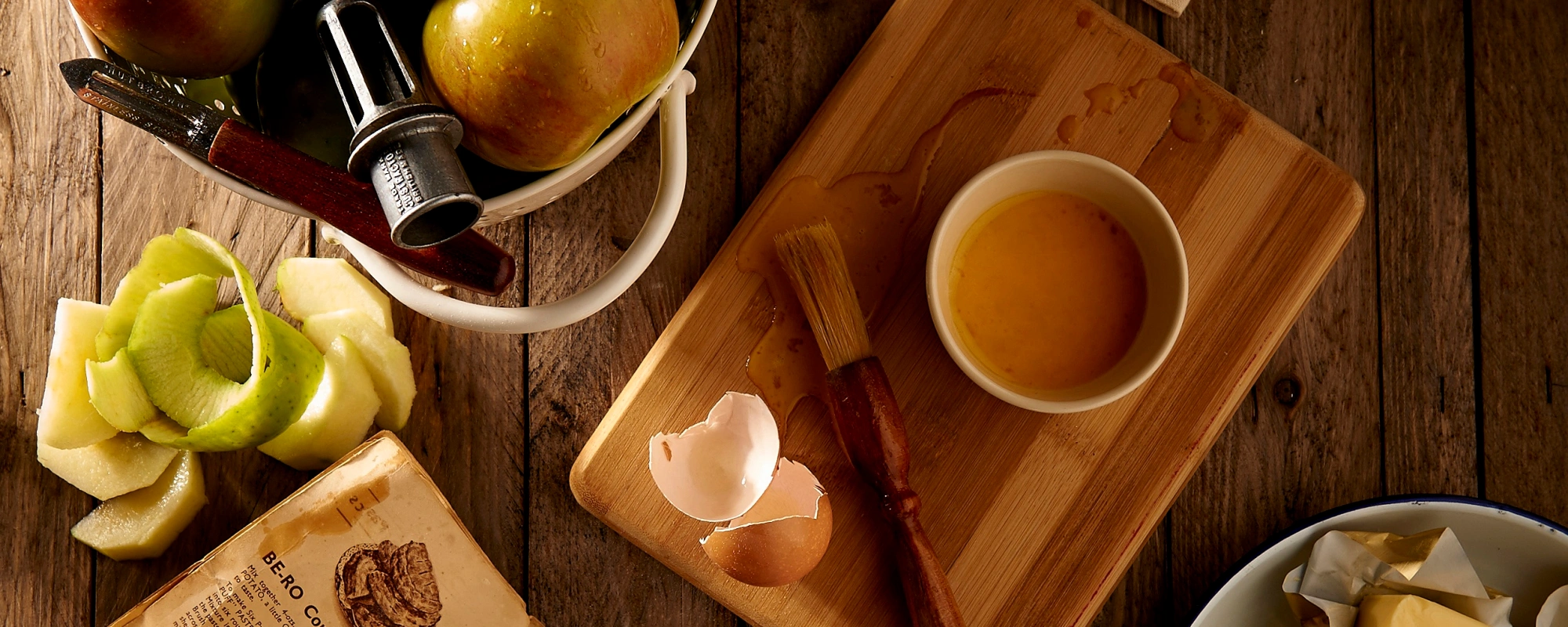
I have been working on getting my recipes out of my head and onto paper. This requires a type of skill that is somewhat foreign to me. I know what to do and how much to add by habit, by reflex even, not by measurement. How do I get the crust of my Lemon Delight just thin enough? I just do. No really, it takes patience and practice to get that little ball of dough flattened out just right to serve as the crust at the bottom of a family favorite dessert. I have to examine whether or not to use the grated frozen butter in my biscuits or if they are good enough just as drop biscuits or pat them out and cut them… Should I share that sometimes I use tarragon in my chicken broth and sometimes I don’t? Do I include it in the recipe if I don’t always use it? It is a labor of love to get my cooking and baking knowledge out of my head and onto paper. I then wondered why I enjoy cooking for people so much. Because I do love to cook and bake. I also had a student ask me once why I didn’t open a restaurant. I think I couldn’t open a restaurant because then the cooking and baking would be an obligation and maybe I wouldn’t love it so much. I don’t ever want to stop loving the cooking and baking that I do for my loved ones. I think that is the secret ingredient in all of my recipes, LOVE. I learned that too, from my Granny and my Mom, and even my Dad the few times he made friend eggs, sausage, gravy and biscuits for breakfast. I’ll get the measurements down eventually. Until then, the following are some thoughts about cooking and why we can use it to connect, especially with the weather getting colder and the holiday season upon us.

Why We Enjoy and Connect with Cooking So Much

Cooking is more than just a means to feed ourselves; it’s a rich tapestry of culture, emotion, and creativity. Whether we’re flipping pancakes on a Sunday morning, crafting a complex dinner for friends, or baking cookies on a rainy afternoon, the act of cooking resonates deeply within us. But what is it about cooking that captivates so many? Let’s explore the reasons behind our love for this age-old practice.

1. Creativity and Self-Expression

At its core, cooking is an art form. It invites us to express ourselves through the colors, flavors, and textures we combine. Each dish we create tells a story, reflecting our preferences, experiences, and even our moods. From experimenting with spices to plating a dish beautifully, cooking allows us to unleash our creativity and try something new. The kitchen becomes our canvas, and the ingredients are our paints.

2. Connection to Culture and Tradition

Food is deeply intertwined with culture and history. Recipes are often passed down through generations, carrying with them the memories and traditions of our families. Cooking traditional dishes can be a way to connect with our heritage, celebrate our roots, and share these experiences with others. This sense of connection can be profoundly comforting, reminding us of home, family gatherings, and shared celebrations.

3. Mindfulness and Presence

In a fast-paced world filled with distractions, cooking offers a chance to slow down and be present. The process of chopping vegetables, stirring a pot, or kneading dough engages our senses and demands our attention. This mindfulness can be therapeutic, providing a break from daily stresses and allowing us to focus on the moment. The rhythmic motions of cooking can create a sense of calm, turning a mundane task into a meditative practice.

4. Nourishment and Care

Cooking is an act of nourishment—not just for ourselves but for others as well. Preparing a meal can be a way to show love and care for those around us. Whether it’s a family dinner, a potluck with friends, or a meal for someone in need, cooking allows us to nurture relationships and foster connections. Sharing food is a universal gesture of hospitality and community, creating bonds that go beyond mere sustenance.

5. The Joy of Discovery

Each culinary endeavor is an opportunity for discovery. Trying out new ingredients, techniques, or cuisines can be an exciting adventure. Cooking teaches us about the world, as we explore different cultures through their food. It challenges our palates and expands our culinary horizons, encouraging us to be adventurous and embrace change. This joy of discovery keeps cooking fresh and exciting, always inviting us to learn more.

6. Sense of Accomplishment

There’s a unique satisfaction that comes from creating something from scratch. The aroma of a dish as it cooks, the beautiful presentation of a plated meal, and the smiles of those who enjoy it all contribute to a sense of accomplishment. Cooking can boost our confidence and reinforce our skills, reminding us that we have the power to create something delicious and meaningful.

7. Community and Togetherness

Cooking often brings people together. Whether we’re cooking with family, hosting a dinner party, or participating in a cooking class, the kitchen can be a gathering place. Sharing the experience of preparing a meal fosters communication, teamwork, and collaboration. These moments create lasting memories and strengthen our bonds with others.

Wrapping it up.

Cooking is a multifaceted experience that goes beyond just preparing food. It allows us to connect with ourselves, our culture, and our loved ones. Whether we’re seeking creativity, mindfulness, or a sense of accomplishment, cooking fulfills a deep human need for connection and expression. So, the next time you find yourself in the kitchen, take a moment to appreciate the joy and richness that cooking brings to your life. Embrace the process, savor the flavors, and celebrate the connections you create along the way. Happy cooking!