
Mental Health Helps: Contacts for reaching out

How to Reach Out for Help When Struggling with Mental Health: Resources for Support

Mental health struggles are incredibly personal, and sometimes reaching out for help can feel overwhelming. Whether you are struggling with anxiety, depression, substance abuse, or issues related to sexual identity, there are multiple ways to get support. Seeking help is the first step toward healing, and there are numerous resources available to assist you in moments of crisis or to simply provide a listening ear when needed.

Here’s a guide on how to access the support you deserve.

1. Immediate Help: National Hotlines and Text Services

If you are in immediate distress, there are national helplines that offer confidential and free support, 24/7. These services can provide crisis intervention, emotional support, and guide you toward further resources.

National Suicide Prevention Lifeline (USA)

This is a free, confidential, 24/7 service that provides immediate support for anyone in crisis or experiencing suicidal thoughts. They also offer resources to help with mental health struggles such as depression, anxiety, and emotional distress.

Crisis Text Line

  • Text: Text “HELLO” to 741741
  • Website: Crisis Text Line
  • Available 24/7, Crisis Text Line offers text-based crisis intervention. It’s available for anyone experiencing stress, anxiety, panic attacks, or other emotional distress. Whether it’s a small issue or a life-threatening crisis, text lines offer help wherever you are.

The Trevor Project (LGBTQ+ Crisis Support)

  • Phone: 1-866-488-7386
  • Text: Text START to 678678
  • Website: The Trevor Project
  • The Trevor Project provides crisis intervention and suicide prevention services specifically for LGBTQ+ youth, offering help in a safe, nonjudgmental space.

Substance Abuse and Mental Health Services Administration (SAMHSA)

  • Phone: 1-800-662-HELP (1-800-662-4357)
  • Website: SAMHSA Helpline
  • This is a free, confidential, 24/7 helpline for individuals and families facing mental and/or substance use disorders. SAMHSA offers referrals for treatment facilities, support groups, and more.

2. Specialized Support: Mental Health Resources for Specific Issues

For LGBTQ+ Youth:

  • PFLAG National
    • Phone: 1-202-467-8180
    • Website: PFLAG National
    • PFLAG is the first and largest organization for LGBTQ+ people, their parents, families, and allies. They offer local chapters that provide resources, support, and guidance for individuals navigating identity, especially in challenging times.

For Survivors of Sexual Abuse:

  • RAINN (Rape, Abuse & Incest National Network)
    • Phone: 1-800-656-HOPE (1-800-656-4673)
    • Online Chat: RAINN Online Chat
    • RAINN provides confidential support for survivors of sexual violence. Whether you need to speak with a counselor or are seeking help finding resources, RAINN is a trusted resource.

3. Mental Health Support Through Therapy and Counseling

If you’re feeling overwhelmed, talking to a therapist can provide professional support. There are numerous platforms that offer therapy services online or in-person. Many providers offer sliding scale fees to make counseling more affordable.

BetterHelp

  • Website: BetterHelp
  • BetterHelp is an online therapy platform where you can connect with licensed counselors through text, video calls, or phone calls. It’s a flexible option for people who may not have access to in-person therapy.

Talkspace

  • Website: Talkspace
  • Like BetterHelp, Talkspace connects you with licensed therapists for online sessions. You can access therapy through text, voice, or video chats, giving you a private and accessible way to reach out for help.

4. YouTube Resources and Mental Health Education

Sometimes, we just need a bit of guidance or even just to hear someone else’s story. YouTube has a variety of resources that offer mental health tips, coping strategies, and motivational support. Here are some helpful channels to check out:

  • Kati Morton
    • Channel: Kati Morton
    • Kati Morton is a licensed therapist who shares videos on mental health topics, ranging from anxiety and depression to relationship struggles and self-care.
  • Psychology In Seattle
    • Channel: Psychology In Seattle
    • Dr. Kirk Honda is a licensed therapist and professor who discusses real-world mental health topics, psychological theory, and personal experiences in a relatable way.
  • The Mighty
    • Channel: The Mighty
    • The Mighty shares empowering stories and educational videos on a wide range of topics, from mental health to chronic illnesses, and offers a supportive community for individuals living with disabilities and mental health challenges.

5. Local Support Groups and Services

In addition to national services, there are often local support groups that provide in-person or online gatherings. These groups can offer safe spaces to talk about your experiences and hear from others who may be going through similar struggles.

NAMI (National Alliance on Mental Illness)

  • Phone: 1-800-950-NAMI (1-800-950-6264)
  • Website: NAMI
  • NAMI offers support groups, resources, and education for individuals and families affected by mental health issues. They have local chapters across the United States that provide peer-led groups.

6. Apps for Mental Health and Wellness

Sometimes, technology can offer a supportive, non-judgmental way to practice self-care and manage mental health. Here are a few apps designed to help with mental wellness:

  • Calm
    • Website: Calm
    • Calm provides guided meditation, breathing exercises, and sleep stories to help reduce stress and promote relaxation.
  • Headspace
    • Website: Headspace
    • Headspace is another app that offers mindfulness and meditation resources to help manage anxiety, stress, and mental clarity.
  • Sanvello
    • Website: Sanvello
    • Sanvello offers a range of tools, from meditation to mood tracking and therapy. It’s designed to help with stress, anxiety, and depression.

You Are Not Alone

Struggling with your mental health can be isolating, but it’s important to remember that help is available. There is no shame in reaching out, whether it’s through a crisis hotline, therapy, or community resources. You deserve support, and these resources are here to offer just that.

Whether you’re dealing with mental health challenges, identity struggles, or substance abuse, there are people who care and who can help you navigate these tough times. Don’t hesitate to reach out—healing is possible, and taking the first step is often the hardest part. You are worth it.
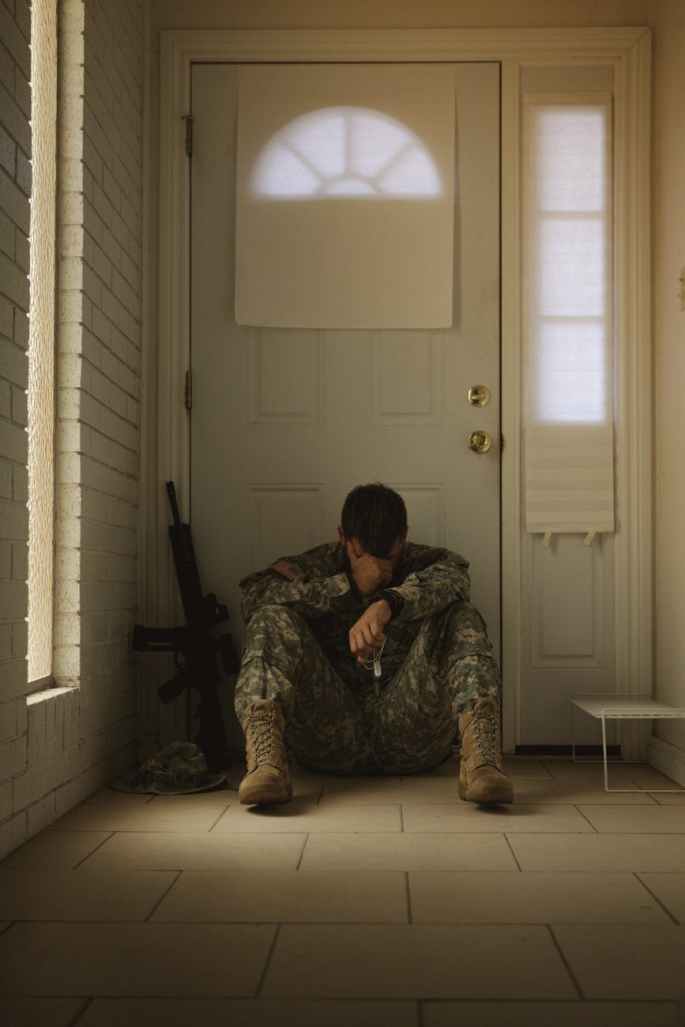
September – A personal Story

Suicide Awareness Month

Here we are smack dab in the middle of September!! Here in Texas the weather is starting to change, but we know it’s just a false fall, so we hold out for the real thing. It will be here before you know it. Today the sun shone through my blinds in my bedroom creating an effect that was ethereal. I figure it was time to post one of our stories.

Suicide Prevention and Awareness Month– who is not aware of suicide? We know it happens. We know someone who has attempted. We may even know someone who succumbed to their struggle. I am a mother of adult children who attempted suicide in adolescence. Let’s have that conversation. But, before I get too deep into this conversation, please be advised it might be triggering, or it may be healing. My child has given me permission to speak about their struggles with mental health because they want to try to get rid of the stigma. They believe we HAVE to talk about it or it gets ignored and ignoring leads to so many bad outcomes. 

I could begin with explaining that they have diagnoses as far back as the 5th grade. They struggled with social cues, bullying, mood swings, meltdowns, overstimulation and so much more. School was hard for them. Kids can be cruel and for a child that felt that everyone that smiled to their face was their friend, the reality was hard to digest. They felt betrayed, and I was Momma Bear and giving the school what for trying to protect my baby. I felt the school was not doing enough to stop the bullying so I took it to the parents. The results were mixed, from “boys will be boys” to “my child would never” I got to hear all of the excuses for these children being mean spirited and discovered that they had learned the behavior at home, from their families. That broke my heart too. These were what I believed to be good people and their children were essentially torturing my child in school and no one would do anything to stop it.

 So to save them the grief, I took a proactive approach,I pulled them from public school towards the end of 5th grade and sent them to a day program in a mental health facility. The idea was that I know being a teen is tough enough. Add in the mental health struggles they were already facing; I wanted them to have an arsenal of coping strategies to face those difficult years. It worked for a while. They were homeschooled, partly because of the struggles, partly because there were so many appointments to keep. We had to see a psychiatrist for prescriptions for anxiety and ADHD, a neurologist for the migraines and abdominal migraines, gastroenterology for GERD, the PCP for basic check ups and bloodwork. There was also cognitive behavioral therapy to work in conjunction with the medications for getting through everything from house fire trauma to basic meltdowns due to overstimulation. 

It was so much at times, and keep in mind while they were going through this there were 4 other children with their own needs that had to be met and soccer, football, band, church, 4-H, FFA, and just life in general. I didn’t sleep much while they went through all of this, typically 4 hours or so each night. I got through on caffeine and adrenaline I suppose. Looking back there is so much of it a blur for them. They don’t remember certain things with much clarity when I ask, but other things they remember with perfect clarity. I think we were both in some sort of survival mode.

And then came 2016. It all caught up to everyone. My husband at the time had given up hope on ever getting better, he refused to attend any further physical therapy. He told me that he “couldn’t afford to get better.” I lost it. I decided right then and there that my children deserved better, that I deserved better and if he wasn’t going to work on being better; he needed to leave. He left and really never looked back.

Cue returning the kids to public school. By this point they were a freshman, the older two had moved out of our home. The oldest son was in Lubbock with his girl-friend and my oldest daughter had decided to move to Kansas with her aunt. 

The struggles were almost immediate, they tried to jump from the mezzanine at the school. Police and school counselor insisted that they be placed in a mental health facility. It was hard, they were locked up away from us and the doctors switched up meds and had them in group therapy. It helped for a little while but about 6 months later, it happens again, another facility and again roughly six months after that. In September 2019, my beautiful, loving, sweet, intuitive, kind “child” (they were over 18 at this point), dissolved the psychiatric meds in a glass of water. They drank that water, behaved as though everything was normal, announced they were going to get in the shower and walked through the house. A few minutes later they are screaming “Mommy” and they are laying in the tub telling me they don’t want to die. 911 is called. While waiting for them to arrive, their sister and I attempt to at least get them out of the tub and a t-shirt and shorts on them. The paramedics secure their airway and by the time they are wheeled out on a gurney, they are completely unconscious. 4 days. 4 days sitting by their bedside while they are unconscious, while the meds work their way out of their system and medical staff ensure that medically they are stable. They survived. They went through this and came out the other side. It changed everything for us. 

We learned through their recovery from this near death experience that they didn’t really want to die. They wanted to stop suffering from mental illness. They wanted the hurting to stop. They wanted to be “normal.” They learned that normal is just a setting on a washing machine. We learned not to take 1 single second of this precious life for granted. They learned to embrace their differences and find their village of people. We became part of that village, but let go of the idea that WE were the only ones in that village. Letting go of the baggage of the past, moving forward into better things for us all. 

We learned so much in this season and we are all the better for it. Letting go is still the hard part. They had to figure some things out for themselves, and it hurt to watch. But they had to learn in their own way, in their own time. I couldn’t protect them forever as much as I would have liked to do that, it just wasn’t possible. They wasted time and energy and LOVE on the wrong people, but it made them appreciate the people who have always been there. The people who didn’t waver in their love and support. 

We survived that September and all of the months thereafter, learning as we go and learning to let go. 

Yes September is suicide awareness month, but for us it is every month. Although they have been true to their word and they have not made another attempt to end things, the struggle didn’t end. They still need support. There are still bad days, bad weeks even. We just handle them better; we use our coping skills. They take a walk, take a shower, eat a favorite meal. All of these things, these coping skills they have acquired, reminds them that they do actually enjoy being alive. They traveled to Canada; they have taken road trips with friends. They are currently travelling with their significant other, who is a kind and compassionate person. They are exploring the world around them and taking care of themselves, I never thought I would see this day!! They have learned to embrace themselves and the struggle, but not let the struggles keep them down. They got THAT from their Memaw! And Memaw would be proud!

If you are struggling or feel overwhelmed:

Crisis line 988 text or call

Crisis Text   HELLO to 741741

For teens: Text teen2teen to 839863, or call 1-877-968-8491

National Domestic Violence Hotline: Text “START” to 88788 or call 1-800-799-7233