Healing Through Creation: The Power of a Creative Outlet

There’s something magical that happens when we put our pain, joy, confusion, or hope into words, images, or melodies. Lately, I’ve been writing songs, poetry, short stories, and sharing pieces of my journey here on this blog. Each piece—whether it flows easily or arrives stubborn and raw—has been a small but powerful step forward in my healing.

Creating isn’t just about making something beautiful or polished. Sometimes it’s messy. Sometimes it’s just about getting through the day, giving shape to a feeling that doesn’t have a name yet. But over time, I’ve come to see that this act of expressing—of making—has been one of the most effective tools in my emotional toolbox.


Why Creative Outlets Heal

When we go through pain, trauma, stress, or even just the overwhelming pressure of day-to-day life, it can feel like everything inside us is swirling out of control. Creative outlets give us a way to take back the narrative. They allow us to externalize what’s internal, and suddenly, what felt chaotic becomes a canvas we can look at, understand, and maybe even learn to appreciate.

Here’s what I’ve noticed about using creativity to heal:

  • It makes space for truth. There are things I didn’t even realize I needed to say until I wrote them down. That truth, however small, opens a door.
  • It reduces the pressure to “fix” everything. Healing doesn’t need to be linear. Sometimes it’s just about showing up and writing the next verse or paragraph.
  • It empowers me. Whether I’m writing a powerful lyric or a quiet line of poetry, it reminds me that I have a voice. That I’m not just surviving—I’m creating.

Balancing Healing and Hustling

Right now, I’m also deep in study mode, working toward earning my securities licenses. It’s a grind. It’s mentally exhausting. But even in that structured, analytical world, I find moments where creativity sneaks in—whether it’s the way I reframe a financial concept to help it stick, or the way I motivate myself with a lyric I wrote last week. Studying for these exams is part of my future, but writing keeps me present.

It’s strange but comforting how these two seemingly opposite parts of my life—rigid test prep and freeform writing—are actually balancing each other out. One grounds me, the other sets me free.


How’s Your Healing Journey Going?

If you’re reading this, maybe you’re on a healing path of your own. Maybe you’re creating something, or maybe you haven’t yet, but the idea is tugging at you. I encourage you to try. You don’t have to show anyone. You don’t have to be good at it. You just have to let it be real.

So how’s your healing journey going? What helps you feel a little more whole?

Leave a comment or just reflect quietly—but know that your story matters. And maybe, just maybe, your next step forward begins with a blank page.


Until next time,
Keep creating. Keep healing. Keep going.

✨🖊️🎶

Simplify Your Financial Journey with a Free Needs Analysis

I have been feeling pretty good today and decided to be extra and do another blog post. It will clue you in on what I have been working on besides my physical and mental health. Trust me, with a chronic health condition, you start to worry about finances, looking at insurance options, staring down the barrel of “retirement age” and what all of that means and definitely “what if the worst happens?” So keep reading and I will give you some insight.

Getting Your Finances on Track — One Step at a Time

When it comes to money, most of us aren’t looking for a sales pitch—we’re looking for clarity. Whether you’re drowning in bills or sitting on some savings and wondering if it’s really working for you, the idea of sitting down for a financial review might sound overwhelming. But here’s the truth: no matter where you are on your financial journey, a free Financial Needs Analysis (FNA) can be a game-changer.

I work with families and individuals every day who are trying to make sense of it all—budgeting, paying down debt, saving for the future, and protecting what matters most. As a licensed Primerica representative, my job isn’t to sell you something you don’t need. It’s to help you get your financial house in order, starting with the basics.

Why a Financial Needs Analysis?

Think of the FNA as a roadmap. It takes a full view of your current financial situation—income, expenses, debt, insurance, savings—and helps identify areas where you can improve. Even if you’re not sold on the idea of buying term life insurance and investing the rest (a strategy we believe in because of its flexibility and potential for growth), this analysis still provides real, actionable insight into your finances.

Here’s what we’ll cover together:

  • Budgeting: Let’s find out where your money is going and how to make it go further.
  • Debt payoff strategies: Whether it’s credit cards, student loans, or other debt, I can show you how to develop a plan to eliminate it faster.
  • Emergency savings: We’ll talk about realistic ways to build your safety net.
  • Protection: If something unexpected happens—like a death or illness—you need to be sure your family is financially secure. I can help you assess your life insurance needs and see what’s already in place.
  • Estate planning basics: It’s not just for the wealthy. Everyone should have a plan for their family and their legacy.
  • Home and auto coverage: I have access to partners that can help you review and potentially improve your existing coverage.
  • Retirement and investment review: Already saving for the future? Let’s make sure that money is working for you, not just sitting in an underperforming account.

No Pressure. Just a Path Forward.

Let’s be honest—finances can be intimidating. But with the right guidance and tools, it becomes manageable. And more importantly, it becomes empowering. The goal isn’t to push a product—it’s to partner with you to make informed decisions about your money, with clarity and confidence.

So whether you feel completely stuck or you think you’ve already got everything figured out, take advantage of the free Financial Needs Analysis. You might be surprised at what we uncover and how simple some solutions can be.

Let’s connect. Partner with me and let’s take that first step toward financial peace of mind- TOGETHER.

Love and light y’all!

Heart-Healthy Living: Your Guide to Safe Movement


My journey so far has been pretty successful. I am still waiting for a couple of consults. I am adjusting as are the folks at home with me. I think it’s easy to forget that I have this condition sometimes. I look like I always have. I still enjoy the same things. I don’t look sick, and honestly, that’s the idea!!! I want to be able to continue to live a long life. I want to see all of my children grow up. I hope they follow their dreams. So here is my contribution to encouraging you to take care of yourself, even when it is challenging.

🫀 Heart-Healthy Movement, Sleep, and Peace of Mind

1. Moving with Cardiomyopathy: Start Small, Go Slow

If you’re living with cardiomyopathy—regardless of whether it’s dilated, hypertrophic, or arrhythmogenic—it’s important to move safely under medical supervision. A personalized plan starts with a thorough evaluation, stress testing, and medication optimization. Moderate exercise—such as walking, gentle strength or resistance work, yoga—is generally recommended. High-intensity or competitive sports may be allowed only after careful risk assessment and shared decision-making with your cardiologist (cardiology.theclinics.com, American College of Cardiology).

Patients without high-risk markers in dilated cardiomyopathy (ejection fraction LVEF ≥ 40–45%, no arrhythmias) can safely engage in low to moderate intensity recreational exercise. That includes walking, Pilates, light resistance training under guidance (IMR Press). Avoid heavy lifting, sprinting, or competitive sports until cleared by your doctor (cardiomyopathy.org, American College of Cardiology).

Pro Tip: If you feel dizziness, chest tightness, unusual shortness of breath, or palpitations during activity, stop and check in with your care team (cardiomyopathy.org).


2. Gentle Movement That Counts

  • Walking breaks: Even a short walk to the driveway counts—especially during hot Texas days. Keep hydrated and take shade breaks.
  • Restorative yoga & Pilates: Ideal for increasing flexibility, releasing neck/shoulder tension, and easing posture issues from computer use.
  • Neck and shoulder rolls: Simple, effective micro-movements you can do at your desk or between emails.
  • Dance breaks: Lunch break dance sessions spike your heart rate gently and boost mood—plus, being your fun self is priceless.

These kinds of movement help maintain blood circulation without overtaxing your heart.


3. Building Yoga, Meditation & Mindful Relaxation

  • Yoga poses/pilates: Focus on gentle flows: Shoulder stretches, neck relief, cat-cow, child’s pose, and seated twists.
  • Mindful breathing or meditation: Even 5 minutes daily can lower stress, reduce tension, and improve cardiac rhythm control.
  • When tension shows up—pause work, take some shoulder rolls, stand up for a moment, or do a small stretch. These small pauses build up over time.

Your awareness around tension — especially in neck/shoulders—shows smart self-care in action.


4. Sleep: Your Heart and Body Depend on It

Sleep is a cornerstone of heart health. Experts recommend 7–9 hours per night for adults aged 18–64 and 7–8 hours for older adults (Wikipedia).

  • About one‑third of adults fail to meet that goal, increasing risk of heart disease, cognitive decline, and metabolic issues (EatingWell).
  • A large-body study found that consistently sleeping 7–8 hours per night improves so-called healthy aging odds by ≈18 % (verywellhealth.com).
  • Sleeping significantly less—or more—regularly has been linked to poor brain function, higher anxiety, and increased cardiovascular risk (health.com).

Tips to improve sleep:

  • Go to bed and wake up at the same time daily.
  • Avoid caffeine, heavy meals, and electronics in the 1–2 hours before bedtime.
  • Keep your bedroom cool, dark, and quiet. Use blackout curtains or white noise if needed.
  • Use the bed only for sleep (and sex)—not for work or scrolling (Wikipedia).

5. Medications + Heart-Smart Lifestyle

  • Take meds as prescribed—especially those that support heart function like beta-blockers, ACE inhibitors, or others tailored to your condition.
  • Maintain regular cardiology follow-up so dosage or activity levels can be safely adjusted.
  • Remember: movement, sleep, diet, meds, meditation—they all work together to help you find your new normal.

6. Putting It All Together: A Personalized Daily Rhythm

Time of DayActivity Suggestion
MorningGentle yoga/stretch (e.g. cat-cow, shoulder rolls), mindful breathing for 5 min
Midday/LunchDance break with your favorite tunes to move and uplift your mood
AfternoonStand/stretch break, walk to end of driveway, sip water
EveningLight resistance or Pilates session (15–20 min), especially targeting neck/shoulders
Before BedCalm routine: dim lights, stretch, avoid screens, breathe deeply for relaxation

Each activity is low impact, heart-conscious, and designed to fit your lifestyle—not overtax your heart.


✨ Final Thoughts

You don’t need vigorous jogging or high-stress workouts to stay active. In fact, for cardiomyopathy patients:

  • Low-to-moderate aerobic movement, strength training, and mind-body practices offer heart and mind benefits without overstressing the heart (childrenscardiomyopathy.org).
  • Prioritizing 7–8 hours of restorative sleep supports healing, heart resilience, and emotional well-being.
  • Combined with medication adherence and regular cardiology check-ups, these lifestyle steps define your new normal—one where you move, rest, and breathe in ways that feel good and are medically appropriate.

You’re doing an amazing job adapting to life and its changes. Keep listening to your body, loving yourself through the process—and celebrating every small, intentional move you make. You’ve got this!

Simple Practices for Grounding Yourself in Change

ChatGPT said:

Embracing Change with Grace, One Breath at a Time

It’s late—again—and the house is quiet, save for the occasional creak of settling floors and the low hum of our overworked fridge. These nights have become familiar, comforting even, as I sit with my thoughts, making adjustments not just to my own routine and eating habits, but also alongside my husband as he navigates changes in his job. Life feels like it’s in a constant state of transition lately—waves of change washing over our home, our schedules, our expectations. And there’s more on the horizon.

With all of this shifting, it’s easy to get swept up in the chaos. I’ve been doing my best to hold on to my anchors: my meditation practice, yoga sessions, staying consistent with my medications, and trying—really trying—to get the sleep I need. But let’s be honest: insomnia is a familiar friend, one that creeps in just as I finally find a moment of calm.

So I’m reminding myself daily: pause. Breathe. Find joy in the little things.

Because the truth is, mindfulness isn’t about perfection or having it all together—it’s about noticing. Noticing the way the sunlight filters through the blinds in the morning. The quiet satisfaction of a warm cup of tea. The soft exhale at the end of a yoga pose. Even the way my dog sighs contentedly at my feet.

If you’re navigating your own season of change, here are a few mindfulness techniques that have been helping me stay grounded:

1. The Five Senses Check-In

Take a moment and notice:

  • 1 thing you can taste
  • 2 things you can smell
  • 3 things you can hear
  • 4 things you can feel
  • 5 things you can see

This is especially useful when I’m feeling overwhelmed or spiraling into anxious thoughts.

2. Box Breathing

This simple breathing technique works wonders for calming my nervous system—especially in the middle of the night.

  • Inhale for 4 counts
  • Hold for 4 counts
  • Exhale for 4 counts
  • Hold for 4 counts

Repeat for a few minutes. It helps me feel like I’m back in control of at least one thing: my breath.

3. Gratitude Journaling

Even if I can only come up with one thing, I write it down. Some days it’s as small as “I made my bed,” or “the soup didn’t burn.” But these little victories matter.

4. Gentle Sleep Rituals

When insomnia comes knocking, I’ve found a few rituals that soften its grip:

  • A warm shower before bed
  • Soft ambient music or white noise
  • A good book (no screens!)
  • Magnesium supplements or a calming herbal tea
  • Legs-up-the-wall yoga pose (amazing for winding down)

Change is never easy. And when it comes all at once—internally and externally—it can feel like too much. But we’re adapting. Slowly, intentionally, with grace when we can and forgiveness when we fall short.

So tonight, I’m reminding myself—and maybe you too—that it’s okay to be in the middle of the mess. That peace isn’t the absence of change, but the presence of awareness. And that the little things? They’re not so little after all.

Here’s to embracing the changes, honoring the chaos, and still finding quiet in the corners.

— With love and a sleepy heart 💛

Life Transitions: Finding Peace Amidst Chaos

MIA, But Not Gone

I know I’ve been MIA.

Sometimes, life demands that we step back—not just from work or social media—but from everything. I had to hit pause. I had to give myself permission to simply be.

Over the past few months, I’ve been dealing with some health issues that forced me to reassess my routines and my life in a real, deep way. It wasn’t as easy as just adding a new pill to my morning or nighttime regimen and calling it a day. These were foundational shifts. Things had to change—mentally, physically, emotionally.

I had to move more. I had to get better at managing my stress. And I don’t mean just more yoga, more meditation, or another breathing exercise. I mean truly facing some things I’ve carried for a long time. Things that made me feel angry, sad, and raw. Grief came back around—like it always does—and knocked the wind out of me when I least expected it.

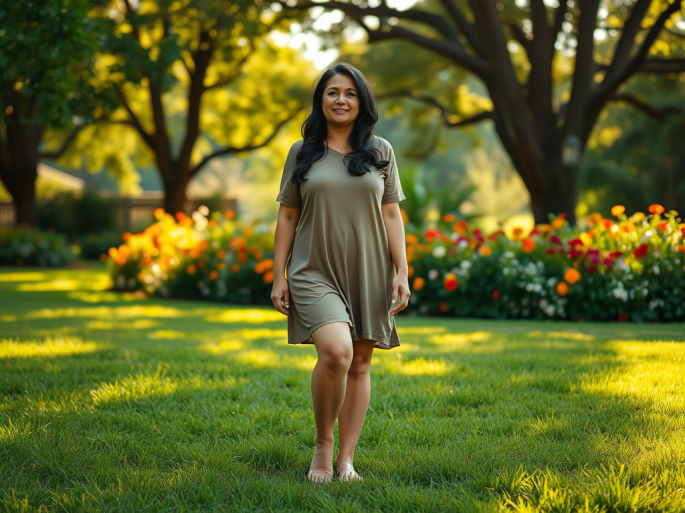
So I’ve been sitting with my feelings. Letting them breathe. Giving them space instead of stuffing them down like I’ve done so many times before. I’ve had to re-center. To literally touch grass. I know it sounds cliché, but there was something healing about standing barefoot in the yard, letting the sun warm my skin and the earth hold me up.

All this while life keeps moving forward at full speed.

My youngest son is heading into his sophomore year of high school—talking about getting a job, becoming more independent, stepping into the world in new ways. And my oldest daughter… she’s getting married. Married. There’s so much to be proud of, so much to be pleased about—but also this deep ache. Because they’re not babies anymore.

They will always be my babies. But we’re not in that chapter anymore. And letting go of those earlier seasons, even while embracing the beauty of what’s now, has been its own kind of mourning.

It’s a strange, tender time. A phase of life where things are shifting—again. We’re growing. We’re changing. And while I know, deep down, that this next chapter is going to be beautiful—it’s also really messy. It’s hard. It’s uncertain. And sometimes it’s just plain exhausting.

But here’s what I do know: I’ve survived 100% of the days I thought would break me. And I’m still here. We’re still here. Finding our footing. Creating new routines. Learning how to breathe deeply again.

So if you’re in the thick of it too—whatever your “it” looks like—just know that you’re not alone. Healing isn’t linear. Growth isn’t neat. And the hard days don’t last forever.

We’re adjusting. And it’s going to be okay. Maybe even more than okay.

We’re making something beautiful.

Mess and all.