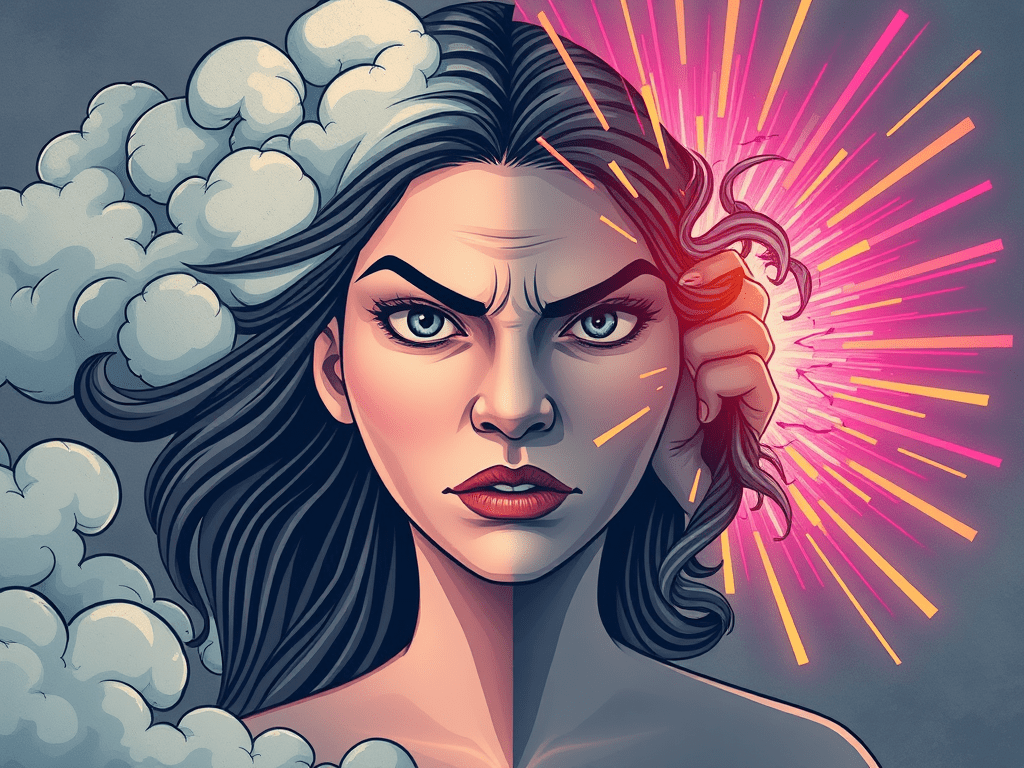
Good Monday to you!! Whew!! The days of 2025 have been flying by, January is nearly half-way over. Thirteen days into a new year and I have experienced several anxiety attacks and 2 panic attacks. You may ask me: “Aren’t they the same thing?” I would have to answer you and tell you: “Absolutely not!”
Anxiety and panic attacks can feel overwhelming and terrifying, often hitting without warning. Whether you’re dealing with a long-standing anxiety disorder or just experiencing the occasional panic episode, or if you are a lucky duck like me, you get both, learning how to manage these attacks effectively can significantly improve your mental and emotional well-being. In this post, we’ll explore ways to cope during a panic or anxiety attack, as well as strategies for dealing with the aftereffects, often referred to as the “hangover” feeling, which can leave you feeling drained, disoriented, or emotionally worn out.
Understanding Anxiety and Panic Attacks
Anxiety attacks and panic attacks are related but distinct experiences. Anxiety attacks are usually tied to heightened worry and tension over a specific situation or set of circumstances. These attacks may build up over time and can manifest in physical symptoms like increased heart rate, muscle tension, dizziness, or irritability.
On the other hand, panic attacks occur suddenly and typically come without any clear trigger. They are often intense and overwhelming, causing shortness of breath, chest pain, rapid heartbeat, sweating, chills, and feelings of impending doom. A panic attack might make you feel as though you’re losing control or even having a heart attack, though they are not life-threatening.
While panic attacks can be deeply distressing in the moment, both types of attacks can leave emotional and physical aftereffects once they subside. This period of time, often described as a “hangover,” can make it feel even harder to cope with daily life. But with the right tools and techniques, it’s possible to better manage these episodes and reduce their impact on your day-to-day life. It may take some time and practice to experience fewer episodes, and it may even require medication, but it can be managed.
Coping Strategies During an Anxiety or Panic Attack
- Grounding Techniques: Grounding is one of the most effective strategies to bring your focus back to the present moment. One popular method is the 5-4-3-2-1 technique, where you engage your senses to distract your mind:
- 5 things you can see
- 4 things you can touch
- 3 things you can hear
- 2 things you can smell
- 1 thing you can taste
- This method helps break the cycle of anxious thinking and can provide a sense of control during an attack.
- Deep Breathing: During an anxiety or panic attack, your breathing tends to become shallow or erratic. Focusing on slow, deep breaths can help calm your nervous system. Try breathing in for a count of four, holding for a count of four, and exhaling for a count of four. Repeat this process several times until you begin to feel more centered.
- Progressive Muscle Relaxation (PMR): PMR involves tensing and then relaxing different muscle groups in your body, starting from your toes and working up to your head. This technique helps to release the physical tension that often accompanies anxiety and panic attacks and can promote a sense of calm.
- Mindfulness and Self-Talk: Anxiety and panic attacks can fuel irrational thoughts. Challenge these thoughts by reminding yourself that the attack, although uncomfortable, is not life-threatening. Reassure yourself with affirmations such as, “This will pass,” or “I am safe.” Mindfulness techniques, such as focusing on your breath or engaging in a simple task, can also help to pull you out of the fight-or-flight response.
- Finding a Safe Space: If possible, remove yourself from the situation that is triggering the attack. Find a quiet, calm space where you can regain control of your breathing and thoughts. This may help prevent the attack from intensifying.
Managing the “Hangover” After an Anxiety or Panic Attack
After the intensity of an anxiety or panic attack subsides, many people experience lingering effects. The “hangover” of an anxiety or panic attack can include feelings of exhaustion, irritability, brain fog, and heightened sensitivity. Here are some strategies to help you manage this period:
- Rest and Recover: Panic and anxiety attacks can be physically and emotionally draining. Allow yourself time to rest, hydrate, and eat well to replenish your energy. Don’t be too hard on yourself if you need to take it easy for a while after an episode.
- Gentle Movement: While rest is important, gentle movement like stretching or a short walk can help release the remaining tension in your body. It can also boost your mood by increasing the production of endorphins, which promote feelings of well-being.
- Journal Your Experience: After an attack, journaling can be a helpful way to process your emotions. Write down what happened, how you felt, and any triggers that may have contributed to the episode. Reflecting on these experiences can give you insight into your anxiety and help you identify patterns, which may be useful for future coping strategies.
- Self-Compassion: It’s easy to fall into negative self-talk after an anxiety or panic attack, especially if you feel like you’ve lost control. Be kind to yourself and recognize that anxiety is a condition that many people experience. Acknowledge your efforts in managing the situation and give yourself credit for coping in a difficult moment.
- Talk to a Professional: If the hangover effects persist or interfere with your daily life, it may be helpful to speak with a therapist or counselor. Cognitive-behavioral therapy (CBT) and other therapeutic approaches are effective tools for managing anxiety and preventing future panic attacks. Additionally, if you’re not already under the care of a mental health professional, they can help you create a treatment plan tailored to your needs.
Long-Term Strategies for Managing Anxiety and Panic Attacks
While coping during an anxiety or panic attack is essential, it’s also important to develop long-term strategies for managing your overall anxiety. These may include:
- Regular Exercise: Physical activity can help reduce overall anxiety by releasing tension, improving mood, and promoting better sleep.
- Meditation and Mindfulness: Incorporating daily mindfulness practices can help train your mind to stay calm and present, making you less likely to be overwhelmed by anxiety.
- Adequate Sleep: Lack of sleep can heighten anxiety. Prioritize sleep hygiene and aim for a consistent sleep schedule.
- Healthy Lifestyle Choices: Balanced nutrition, hydration, and reducing caffeine and alcohol intake can all play a role in managing anxiety.
- Support System: Talking with friends, family, or support groups can make you feel less isolated and more connected.
Final Thoughts
Anxiety and panic attacks can be difficult to navigate, but with practice, you can learn to manage and cope with them more effectively. By using grounding techniques, deep breathing, and other coping mechanisms, you can reduce the intensity of these attacks and feel more in control when they occur. Additionally, learning to manage the emotional and physical aftereffects—what some call the “hangover”—will help you recover and move forward more quickly.
Above all, be gentle with yourself. It’s okay to have moments where things feel out of control. What matters most is how you respond and the strategies you develop to take care of yourself in the aftermath. With time, patience, and the right tools, you can reduce the impact of anxiety and panic attacks on your life and regain a sense of peace and stability
 Mothersense and Miscellaneous