Embracing the Wake-Up Call:

My Heart, My Health, My Future

Just recently, I faced a terrifying moment that shook me to my core. Hearing the words “heart failure” was like a punch to the gut. Thankfully, after further testing, I was told there were no blockages and I wasn’t in heart failure. The relief was overwhelming—but I know I’m not out of the woods yet.

I’ll be wearing a portable telemetry monitor for a week to track my heart’s activity, keeping a blood pressure log, and likely starting a food diary for my upcoming GI appointment. New medications are now part of my daily routine, and I’m adjusting to a new normal. My heart acted up, and now it’s on the mend.

But here’s the truth: I know about diet. I know about exercise and stress management. I know I have to do better. This scare brought all my past posts and promises flooding back—reminders of what I’ve said I’d do and haven’t followed through on.

Listening to the Body’s Whispers Before They Become Screams

Our bodies are constantly communicating with us. Minor aches, fatigue, shortness of breath—these are often early warning signs. Ignoring them can lead to serious consequences. As highlighted by Southwest General Health Center, understanding and responding to these signals is vital for maintaining optimal health .medhelpclinics.com+1MindMate+1Southwest General

Even individuals who appear healthy can face unexpected heart issues. A 28-year-old techie from Bengaluru suffered a heart attack despite daily workouts, revealing an 80% heart blockage . Similarly, Gigi Campos experienced a heart attack at 34, despite being active and receiving reassurances from doctors about her health .@EconomicTimesSELF

A New Normal: Monitoring, Medication, and Mindfulness

Adjusting to this new phase means embracing tools and practices that support heart health. Wearing a telemetry monitor, logging blood pressure, and maintaining a food diary are proactive steps. These measures not only provide valuable data for healthcare providers but also foster a deeper connection with one’s own health journey.

Medication adherence is crucial. Understanding the purpose and potential side effects of each medication empowers patients to manage their health effectively. Regular consultations with healthcare providers ensure that treatment plans remain aligned with evolving health needs.

The Emotional Toll and the Power of Support

Facing a health scare is not just a physical challenge—it’s an emotional one. Feelings of fear, anxiety, and uncertainty are common. Seeking support from mental health professionals, support groups, or loved ones can provide comfort and guidance.

Sharing experiences, like those found in the American Heart Association’s “Stories From the Heart,” can be therapeutic and inspiring . These narratives highlight resilience and the human capacity to overcome adversity.www.heart.org

Looking Ahead: Celebrating Life’s Milestones

Life is fragile, and moments of crisis often bring clarity about what truly matters. For me, the upcoming wedding of my baby girl in September is a beacon of hope and motivation. I plan on being there, celebrating this momentous occasion with her.

This journey has reinforced the importance of self-care, vigilance, and the support of a caring community. Embracing a proactive approach to health, staying informed, and cherishing life’s precious moments are now at the forefront of my priorities

Budget friendly meals

Easy Recipes and Smart Shopping Tips

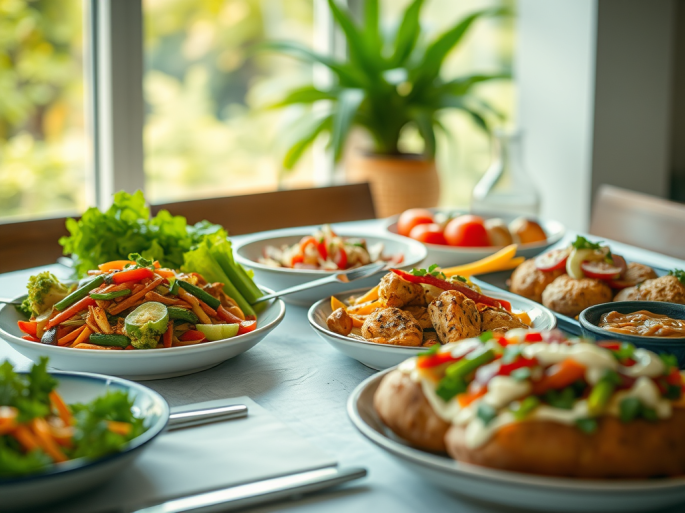
Eating healthy doesn’t have to break the bank! With a little planning and some easy recipes, you can enjoy nutritious meals without overspending. Here are three dinner recipes, three lunch ideas, and three breakfast-to-go options, along with tips on budgeting and shopping smartly. You do not have to overhaul your entre menu just add these to a standard rotation for some variety and check back later for more kid friendly foods that are good for you and your pocketbook!!


Dinner Recipes

  1. One-Pot Veggie Stir-Fry
    • Ingredients:
      • 2 cups mixed vegetables (frozen or fresh)
      • 1 cup cooked rice or pasta
      • 2 tablespoons soy sauce
      • 1 tablespoon olive oil
      • Optional: tofu or chicken for added protein
    • Instructions:
      1. Heat oil in a large skillet over medium heat.
      2. Add tofu or chicken if desired, and cook until protein is done.
      3. Add vegetables and sauté for 5-7 minutes.
      4. Stir in cooked rice or pasta and soy sauce; cook until heated through.

  1. Chicken and Vegetable Bake
    • Ingredients:
      • 4 chicken thighs (bone-in or boneless)
      • 2 cups mixed vegetables (like carrots, potatoes, and broccoli)
      • 2 tablespoons olive oil
      • Salt, pepper, and herbs (like thyme or rosemary) to taste
    • Instructions:
      1. Preheat the oven to 400°F (200°C).
      2. In a baking dish, toss chicken and vegetables with olive oil, salt, pepper, and herbs.
      3. Bake for about 30-40 minutes or until chicken is cooked through and veggies are tender.

  1. Baked Potato Bar
    • Ingredients:
      • 4 medium potatoes
      • Toppings: Greek yogurt, shredded cheese, chopped green onions, canned beans, steamed broccoli
    • Instructions:
      1. Preheat the oven to 400°F (200°C).
      2. Bake potatoes for about 45 minutes or until tender.
      3. Serve with a variety of toppings for a customizable meal.

Lunch Ideas

  1. Pasta Salad
    • Ingredients:
      • 2 cups cooked pasta (like rotini or penne)
      • 1 cup cherry tomatoes, halved
      • 1/2 cup diced cucumber
      • 1/4 cup Italian dressing
      • Optional: diced cheese or olives
    • Instructions:
      1. Toss all ingredients in a bowl and chill before serving.

  1. Hummus and Veggie Wrap
    • Ingredients:
      • Whole wheat wrap
      • 1/2 cup hummus
      • Assorted veggies (carrots, bell peppers, spinach)
    • Instructions:
      1. Spread hummus on the wrap, layer with veggies, roll up, and slice.

  1. Lentil Soup
    • Ingredients:
      • 1 cup lentils
      • 1 onion, diced
      • 2 carrots, diced
      • 4 cups vegetable broth
      • 1 teaspoon cumin
    • Instructions:
      1. In a pot, sauté onion and carrots until soft.
      2. Add lentils, broth, and cumin; bring to a boil.
      3. Simmer for 30 minutes until lentils are tender.

Breakfast-to-Go Recipes

  1. Overnight Oats
    • Ingredients:
      • 1/2 cup rolled oats
      • 1 cup milk (dairy or plant-based)
      • 1 tablespoon chia seeds
      • Toppings: fruits, nuts, or honey
    • Instructions:
      1. Combine oats, milk, and chia seeds in a jar.
      2. Refrigerate overnight; add toppings before eating.

  1. Banana Pancake Bites
    • Ingredients:
      • 1 ripe banana
      • 2 eggs
      • 1/4 cup oats
    • Instructions:
      1. Mash banana and mix with eggs and oats.
      2. Cook small pancakes in a skillet; store for an easy grab-and-go option.

  1. Smoothie Packs
    • Ingredients:
      • Assorted frozen fruits (berries, bananas, spinach)
      • 1 cup yogurt or milk
    • Instructions:
      1. Pre-pack bags with your choice of frozen fruits.
      2. Blend with yogurt or milk in the morning for a quick breakfast.

Budgeting and Shopping Tips

  1. Plan Your Meals: Create a weekly meal plan before grocery shopping. This helps you avoid impulse buys and ensures you buy only what you need.
  2. Make a Shopping List: Stick to a list to keep your focus and reduce unnecessary purchases.
  3. Buy in Bulk: Purchase staple items like rice, pasta, and oats in bulk. They’re usually cheaper and last longer. You can also buy larger packages of meat and break it up into smaller sizes and store in freezer bags.
  4. Shop Seasonal: Fruits and vegetables that are in season tend to be cheaper and fresher.
  5. Look for Sales and Coupons: Check store flyers for weekly sales, and use coupons when possible. Apps for grocery stores can help you keep track of discounts. Fall is a good time when you can stock your pantry with many staples for the kitchen go on sale because of holiday baking and cooking.
  6. Use Frozen Produce: Frozen fruits and veggies are often less expensive and last longer than fresh ones, making them a great choice for budget meals.

By incorporating these recipes and tips into your routine, you can enjoy delicious, healthy meals without straining your budget. Remember that food is our fuel for energy and brain foods are important! Happy cooking!

**Mom tip: If you have a picky eater, always suggest 2 bites of new foods, and keep doing it every time because our tastebuds change over time and kids will discover that they like things and surprise even themselves. Also works on grownups who claim to not like things, just give it 2 bites!!

We are what we eat…

The Connection Between Food and Mental Health

As a 49-year-old mother of five, I’ve spent years juggling the chaos of family life, a career, and trying to stay healthy. Over time, I’ve learned that what I put on my plate does far more than just feed my body—it feeds my mind, too. Our daily diet plays an integral role in how we feel, think, and cope with the ups and downs of life. Here’s what I’ve discovered about the relationship between the food we eat and mental health, from my perspective as a busy mom navigating life’s many demands.

The Busy Mom Diet: When Convenience Comes First

Let’s face it—when you’re raising kids, and juggling their homework and activities, meal planning often takes a back seat to convenience. I’ve been there, reaching for quick fixes like processed snacks, fast food, and sugary treats just to get through the day. But as I hit my 40s, I began to notice that not only was my energy tanking, but my mood was all over the place. I felt anxious, irritable, and, honestly, a little down more often than I’d like to admit. 

It wasn’t just the physical toll of running a household; I began to suspect that my diet was playing a big role in how I was feeling mentally. And my doctor warned me that my A1C was putting me in a borderline state. I had to take a look at what I was eating and how it made me FEEL. This was my suspicion, what I was eating was affecting my mood swings and my sugar levels.

The Science Behind Food and Mood

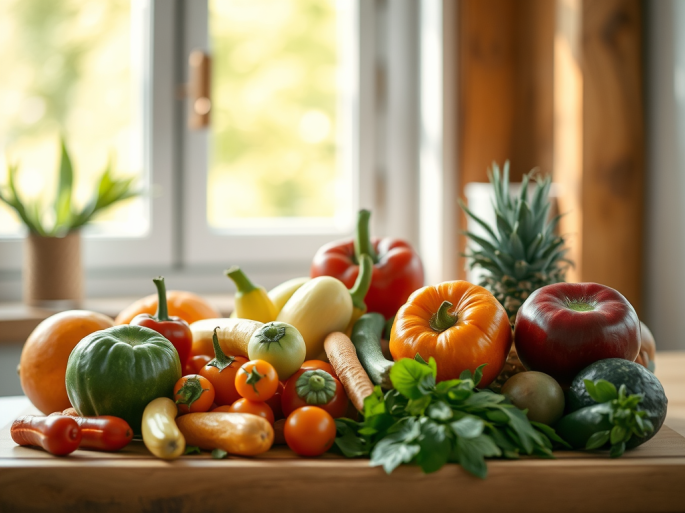
It turns out, I wasn’t wrong. Research shows that the food we eat has a direct impact on our mental health. A diet high in processed foods, sugar, and unhealthy fats can increase the risk of depression, anxiety, and mood swings. In contrast, a balanced diet rich in whole foods—think fruits, vegetables, lean proteins, and healthy fats—provides the brain with the nutrients it needs to function optimally.

Gut Health: The Second Brain

When the girls were playing soccer, one of the soccer parents introduced me to an idea about the gut-brain connection. Did you know that your gut is sometimes called your “second brain”? The gut is home to trillions of bacteria that help regulate not only digestion but also mood. These bacteria produce neurotransmitters like serotonin, the “feel-good” chemical that plays a key role in keeping our mood stable.

When I started focusing on feeding my gut with fiber-rich foods like fruits, vegetables, and whole grains, I noticed a significant improvement in my mood. I also incorporated shots of kefir sometimes to help the gut biome. Although it wasn’t overnight, a few weeks of eating more mindfully, I felt calmer, more focused, and better equipped to handle the stress of daily life. And sometimes we still ate processed foods, but I was more mindful of the fuel we were putting in our bodies. 

Sugar and Mental Health: A Love-Hate Relationship

If there’s one thing I’ve learned from raising kids and being around kids, it is that sugar is everywhere! It is the big ugly thing that hides in so many things we eat! It’s in snacks, drinks, and even foods we wouldn’t expect, like bread and sauces. For years, I leaned on sugary treats or sugary drinks with caffeine to get that quick energy boost, especially during the long days of parenting. But what I didn’t realize was how sugar affects mental health.

Sugar may give you an instant lift, but it’s followed by a crash that can leave you feeling irritable, tired, and foggy. Over time, these fluctuations in blood sugar can contribute to symptoms of anxiety and depression. Once I started cutting back on sugar and replacing it with healthier alternatives like fruits, nuts, and even dark chocolate (yes, I still need my treats!), I felt more balanced both mentally and physically.

Omega-3s: The Brain’s Best Friend

One dietary change that helped make a difference for me was incorporating more omega-3 fatty acids into my meals and snacks. These healthy fats, found in foods like salmon, chia seeds, and walnuts, are essential for brain health. Omega-3s help reduce inflammation in the brain and have been shown to reduce symptoms of depression and anxiety.

Making simple swaps—like adding a handful of walnuts or a tablespoon of chia seeds to my morning oatmeal or cooking salmon or making a salmon salad once a week started to become routine. And honestly, I could feel the change. My mind felt clearer, and I was able to manage stress in ways I hadn’t been able to before. I do not always keep all of these ingredients on hand, but I do notice the difference when I haven’t been keeping up with watching what I eat. I feel it and then remember to add them to the grocery list. This isn’t a passing “diet” it is just making small changes to give your body the fuel it needs to operate at its best and occasionally we lapse back into the bad eating habits. When you do that just course correct and begin again, it’s not a failure, just a backslide.

The Power of Routine and Self-Care

As a busy mom, balancing everything can be a challenge. I know that self-care often falls to the bottom of the to-do list. But I’ve learned that prioritizing what I eat is one of the most important forms of self-care I can practice. It doesn’t have to be complicated or time-consuming; even small changes can have a big impact.

I now make an effort to prepare balanced meals, drink plenty of water, and include foods that nourish both my body and mind. And if I am missing something I also take a multivitamin to try to keep my body functioning at its best. Eating regularly has kept my blood sugar stable, which has been a huge game-changer for my energy and mood. No more need for the snickers in the afternoons because I was getting “hangry.” I also snack on things that are better for me than a candy bar, maybe some almonds or sunflower seeds and dried cranberries, just enough to get me to dinner. You can do what works for you and your tastes, read the labels.

Setting an Example for My Kids

The absolute best motivator for me has been setting a good example for my children. I wanted them to understand that what they eat doesn’t just affect how they look or their physical health—it affects how they feel emotionally and mentally. Encouraging them to make healthy food choices and teaching them the importance of balance and moderation has always been a “thing” in this household. Sometimes my insistence that they give me two bites of anything I cooked led to them discovering that they actually did like the weird looking stuff or the green stuff. I really did raise some of the least picky eaters. 

Final Thoughts

At 49, I’m still learning, growing, and making changes to support my health and well-being. But one thing I know for sure is that the connection between food and mental health is real. As a mother, wife, and woman juggling many roles, the food I eat has become one of the most powerful tools I have to support my mental clarity, emotional balance, and overall happiness.

If you’re feeling overwhelmed, anxious, or just not yourself, take a look at what’s on your plate. It might be the key to feeling better, stronger, and more mentally resilient. Trust me—if this busy mom can do it, anyone can! If you need help with ideas or recipes to help do better, let me know. I have been there, it is a journey, and you are not alone!

Love and light, y’all! 

If you or someone you know is feeling overwhelmed Crisis help line: Call or Text 988