Game Day Delight: Healthy Alternatives to Your Football Season Favorites

Keeping it healthy while enjoying American football!!!

Football season is in full swing!! My family prefers college football to the NFL but are fans of former OU quarterbacks Baker Mayfield, Jalen Hurts and of course Travis Kelce who played for the University of Cincinnati. With that said, many of us look forward to gathering with friends and family for game day festivities. However, traditional game day foods can often be heavy and unhealthy. The good news is that you can enjoy your favorite snacks while making healthier choices! Here’s a guide to delicious, nutritious alternatives that cater to gluten-free and vegan diets, ensuring everyone can join in on the fun. You can always mix and match your offerings to balance and have some other favorites, but here we are offering some healthier options.

Classic Game Day Favorites and Their Healthier Alternatives

1. Chips and Dip

Traditional Option: Potato chips and creamy dips.

Healthy Alternatives:

  • Baked Sweet Potato Chips: Slice sweet potatoes thinly, toss with a little olive oil and sea salt, and bake until crispy. Sweet potatoes are high in fiber and vitamins.
  • Guacamole or Hummus: Pair with veggie sticks (carrots, celery, bell peppers) or gluten-free tortilla chips. Guacamole is rich in healthy fats, while hummus offers plant-based protein.

2. Buffalo Wings

Traditional Option: Fried chicken wings with spicy sauce.

Healthy Alternatives:

  • Cauliflower Buffalo Wings: Toss cauliflower florets in a mix of gluten-free breadcrumbs and hot sauce, then bake until crispy. They’re low in calories and high in fiber.
  • Vegan Chickpea Salad Sandwiches: Mash chickpeas with vegan mayo, celery, and hot sauce for a flavorful filling on gluten-free bread or lettuce wraps.

3. Pizza

Traditional Option: Pepperoni or cheese pizza with a wheat crust.

Healthy Alternatives:

  • Cauliflower Crust Pizza: Make a crust using riced cauliflower, almond flour, and vegan cheese. Top with your favorite veggies and marinara sauce for a guilt-free treat.
  • Portobello Mushroom Pizzas: Use large portobello caps as a base, topped with tomato sauce, vegan cheese, and assorted veggies.

4. Nachos

Traditional Option: Tortilla chips topped with cheese and ground beef.

Healthy Alternatives:

  • Black Bean Nachos: Layer baked corn tortilla chips with black beans, fresh salsa, avocado, and jalapeños. Black beans add protein and fiber, making this a more nutritious option.
  • Vegan Cheese Sauce: Create a delicious cheese sauce using blended cashews, nutritional yeast, and spices for a creamy topping.

5. Desserts

Traditional Option: Cookies or brownies.

Healthy Alternatives:

  • Energy Bites: Mix oats, nut butter, chia seeds, and a touch of honey or maple syrup. Roll into balls for a sweet, protein-packed snack.
  • Vegan Chocolate Avocado Mousse: Blend ripe avocados with cocoa powder and a natural sweetener for a creamy, rich dessert that’s also dairy-free and gluten-free.

Tips for a Healthy Game Day

  1. Plan Ahead: Preparing snacks in advance can save time and ensure you have healthy options on hand. Consider batch cooking items like the cauliflower wings or energy bites.
  2. Stay Hydrated: Replace sugary sodas or alcoholic beverages with sparkling water infused with fruits or herbal teas. Staying hydrated will help you feel your best during the festivities.
  3. Portion Control: Use smaller plates or bowls for snacks to help manage portions. This allows you to sample a variety of foods without overindulging.
  4. Mindful Eating: Focus on the flavors and textures of your food. Eating mindfully can enhance satisfaction and help prevent overeating.

Wrapping up 

Football season doesn’t have to mean sacrificing health for enjoyment. With these delicious and nutritious alternatives, you can savor your favorite game day snacks while keeping your meals gluten-free and vegan. Gather your friends, fire up the grill, and enjoy a healthy game day that everyone will love! Let the festivities begin!
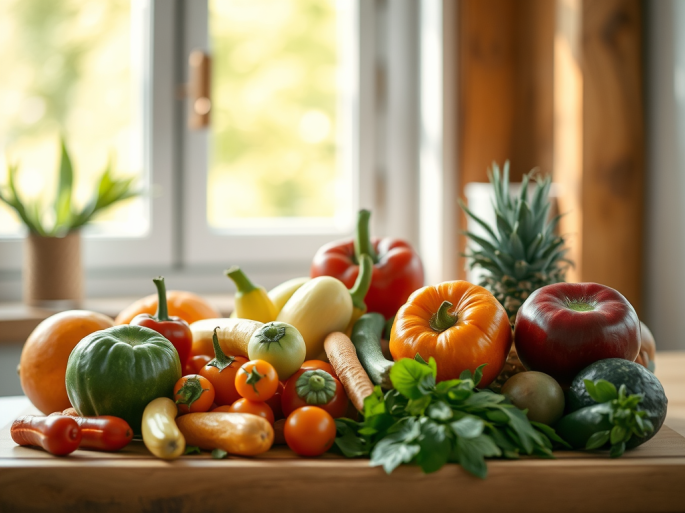
We are what we eat…

The Connection Between Food and Mental Health

As a 49-year-old mother of five, I’ve spent years juggling the chaos of family life, a career, and trying to stay healthy. Over time, I’ve learned that what I put on my plate does far more than just feed my body—it feeds my mind, too. Our daily diet plays an integral role in how we feel, think, and cope with the ups and downs of life. Here’s what I’ve discovered about the relationship between the food we eat and mental health, from my perspective as a busy mom navigating life’s many demands.

The Busy Mom Diet: When Convenience Comes First

Let’s face it—when you’re raising kids, and juggling their homework and activities, meal planning often takes a back seat to convenience. I’ve been there, reaching for quick fixes like processed snacks, fast food, and sugary treats just to get through the day. But as I hit my 40s, I began to notice that not only was my energy tanking, but my mood was all over the place. I felt anxious, irritable, and, honestly, a little down more often than I’d like to admit. 

It wasn’t just the physical toll of running a household; I began to suspect that my diet was playing a big role in how I was feeling mentally. And my doctor warned me that my A1C was putting me in a borderline state. I had to take a look at what I was eating and how it made me FEEL. This was my suspicion, what I was eating was affecting my mood swings and my sugar levels.

The Science Behind Food and Mood

It turns out, I wasn’t wrong. Research shows that the food we eat has a direct impact on our mental health. A diet high in processed foods, sugar, and unhealthy fats can increase the risk of depression, anxiety, and mood swings. In contrast, a balanced diet rich in whole foods—think fruits, vegetables, lean proteins, and healthy fats—provides the brain with the nutrients it needs to function optimally.

Gut Health: The Second Brain

When the girls were playing soccer, one of the soccer parents introduced me to an idea about the gut-brain connection. Did you know that your gut is sometimes called your “second brain”? The gut is home to trillions of bacteria that help regulate not only digestion but also mood. These bacteria produce neurotransmitters like serotonin, the “feel-good” chemical that plays a key role in keeping our mood stable.

When I started focusing on feeding my gut with fiber-rich foods like fruits, vegetables, and whole grains, I noticed a significant improvement in my mood. I also incorporated shots of kefir sometimes to help the gut biome. Although it wasn’t overnight, a few weeks of eating more mindfully, I felt calmer, more focused, and better equipped to handle the stress of daily life. And sometimes we still ate processed foods, but I was more mindful of the fuel we were putting in our bodies. 

Sugar and Mental Health: A Love-Hate Relationship

If there’s one thing I’ve learned from raising kids and being around kids, it is that sugar is everywhere! It is the big ugly thing that hides in so many things we eat! It’s in snacks, drinks, and even foods we wouldn’t expect, like bread and sauces. For years, I leaned on sugary treats or sugary drinks with caffeine to get that quick energy boost, especially during the long days of parenting. But what I didn’t realize was how sugar affects mental health.

Sugar may give you an instant lift, but it’s followed by a crash that can leave you feeling irritable, tired, and foggy. Over time, these fluctuations in blood sugar can contribute to symptoms of anxiety and depression. Once I started cutting back on sugar and replacing it with healthier alternatives like fruits, nuts, and even dark chocolate (yes, I still need my treats!), I felt more balanced both mentally and physically.

Omega-3s: The Brain’s Best Friend

One dietary change that helped make a difference for me was incorporating more omega-3 fatty acids into my meals and snacks. These healthy fats, found in foods like salmon, chia seeds, and walnuts, are essential for brain health. Omega-3s help reduce inflammation in the brain and have been shown to reduce symptoms of depression and anxiety.

Making simple swaps—like adding a handful of walnuts or a tablespoon of chia seeds to my morning oatmeal or cooking salmon or making a salmon salad once a week started to become routine. And honestly, I could feel the change. My mind felt clearer, and I was able to manage stress in ways I hadn’t been able to before. I do not always keep all of these ingredients on hand, but I do notice the difference when I haven’t been keeping up with watching what I eat. I feel it and then remember to add them to the grocery list. This isn’t a passing “diet” it is just making small changes to give your body the fuel it needs to operate at its best and occasionally we lapse back into the bad eating habits. When you do that just course correct and begin again, it’s not a failure, just a backslide.

The Power of Routine and Self-Care

As a busy mom, balancing everything can be a challenge. I know that self-care often falls to the bottom of the to-do list. But I’ve learned that prioritizing what I eat is one of the most important forms of self-care I can practice. It doesn’t have to be complicated or time-consuming; even small changes can have a big impact.

I now make an effort to prepare balanced meals, drink plenty of water, and include foods that nourish both my body and mind. And if I am missing something I also take a multivitamin to try to keep my body functioning at its best. Eating regularly has kept my blood sugar stable, which has been a huge game-changer for my energy and mood. No more need for the snickers in the afternoons because I was getting “hangry.” I also snack on things that are better for me than a candy bar, maybe some almonds or sunflower seeds and dried cranberries, just enough to get me to dinner. You can do what works for you and your tastes, read the labels.

Setting an Example for My Kids

The absolute best motivator for me has been setting a good example for my children. I wanted them to understand that what they eat doesn’t just affect how they look or their physical health—it affects how they feel emotionally and mentally. Encouraging them to make healthy food choices and teaching them the importance of balance and moderation has always been a “thing” in this household. Sometimes my insistence that they give me two bites of anything I cooked led to them discovering that they actually did like the weird looking stuff or the green stuff. I really did raise some of the least picky eaters. 

Final Thoughts

At 49, I’m still learning, growing, and making changes to support my health and well-being. But one thing I know for sure is that the connection between food and mental health is real. As a mother, wife, and woman juggling many roles, the food I eat has become one of the most powerful tools I have to support my mental clarity, emotional balance, and overall happiness.

If you’re feeling overwhelmed, anxious, or just not yourself, take a look at what’s on your plate. It might be the key to feeling better, stronger, and more mentally resilient. Trust me—if this busy mom can do it, anyone can! If you need help with ideas or recipes to help do better, let me know. I have been there, it is a journey, and you are not alone!

Love and light, y’all! 

If you or someone you know is feeling overwhelmed Crisis help line: Call or Text 988