Winter, Short Days, and the Quiet Weight They Carry
*What the darker season does to our moods—and what nature gently teaches us in return*
Winter has a way of sneaking up on us.
One day the light lingers into the evening, and the next it feels like darkness settles in before dinner is even started. The days shrink. The air sharpens. Schedules remain the same, but our energy quietly changes. For many people, winter is not just a season—it’s a shift in mood, motivation, and mental health.
And for some, it’s really hard.
Why Winter Can Affect Our Moods
There’s a very real, biological reason winter feels heavier for many of us. Shorter days mean less exposure to sunlight, which directly affects how our brains function.
Sunlight helps regulate:
* **Serotonin**, a neurotransmitter that stabilizes mood and promotes feelings of well-being
* **Melatonin**, the hormone that controls sleep cycles
* **Circadian rhythms**, our internal clock that tells us when to wake, sleep, eat, and rest
When daylight decreases, serotonin levels can drop while melatonin production increases—leading to fatigue, low mood, disrupted sleep, and a sense of emotional fog.
For some people, this shows up as:
* Low energy or constant tiredness
* Difficulty concentrating
* Increased irritability or sadness
* Wanting to withdraw socially
* Changes in appetite (often cravings for carbs and comfort foods)
For others, it can be more intense and clinical, known as **Seasonal Affective Disorder (SAD)**. But even without a diagnosis, many people feel the winter blues deeply and personally.
And here’s the part that matters most: **struggling in winter doesn’t mean you’re weak or ungrateful or failing at life.** It means you’re human.
The Emotional Toll of Shorter Days
Beyond biology, winter brings a psychological shift.
The world feels quieter. Social plans slow down. Cold weather limits movement and spontaneity. We spend more time indoors, often alone with our thoughts. If you’re already navigating grief, stress, loneliness, or burnout, winter can amplify those feelings.
There’s also pressure—spoken and unspoken—to “push through” as if productivity should remain unchanged year-round. But humans were never meant to operate at full speed in every season.
Nature certainly doesn’t.
Ways to Cope When Winter Feels Heavy
Coping with winter isn’t about forcing happiness or pretending the darkness doesn’t exist. It’s about **meeting yourself where you are** and making small, supportive adjustments.
Here are some ways to soften the season:
**1. Seek light intentionally**
Open curtains as soon as you wake up. Step outside during daylight, even if it’s cold. Consider a light therapy lamp if winter hits you hard—many people find real relief with consistent use.
**2. Adjust expectations, not just schedules**
Winter is not the time to demand peak performance. It’s okay to slow down, simplify, and rest more. Productivity doesn’t have to look the same in January as it does in July.
**3. Keep your body moving gently**
Movement helps regulate mood, but it doesn’t need to be intense. Walks, stretching, yoga, or even dancing in your kitchen count. Consistency matters more than intensity.
**4. Protect your sleep**
Short days can disrupt sleep patterns. Try to keep regular sleep and wake times, limit late-night scrolling, and create a calming evening routine that signals your body it’s time to rest.
**5. Stay connected, even when you want to isolate**
Winter can make withdrawal tempting. Gentle connection—texts, phone calls, coffee with a trusted person—can make a huge difference. You don’t need big social events, just meaningful touchpoints.
**6. Nourish yourself intentionally**
Craving comfort foods is normal in winter. Balance them with meals that include protein, healthy fats, and warm vegetables. Warm, nourishing foods are grounding for both body and mind.
**7. Name what you’re feeling**
Sometimes the hardest part is pretending we’re fine. Saying “winter is hard for me” is not complaining—it’s honest. Naming it often reduces its power.
What Nature Teaches Us About Seasons
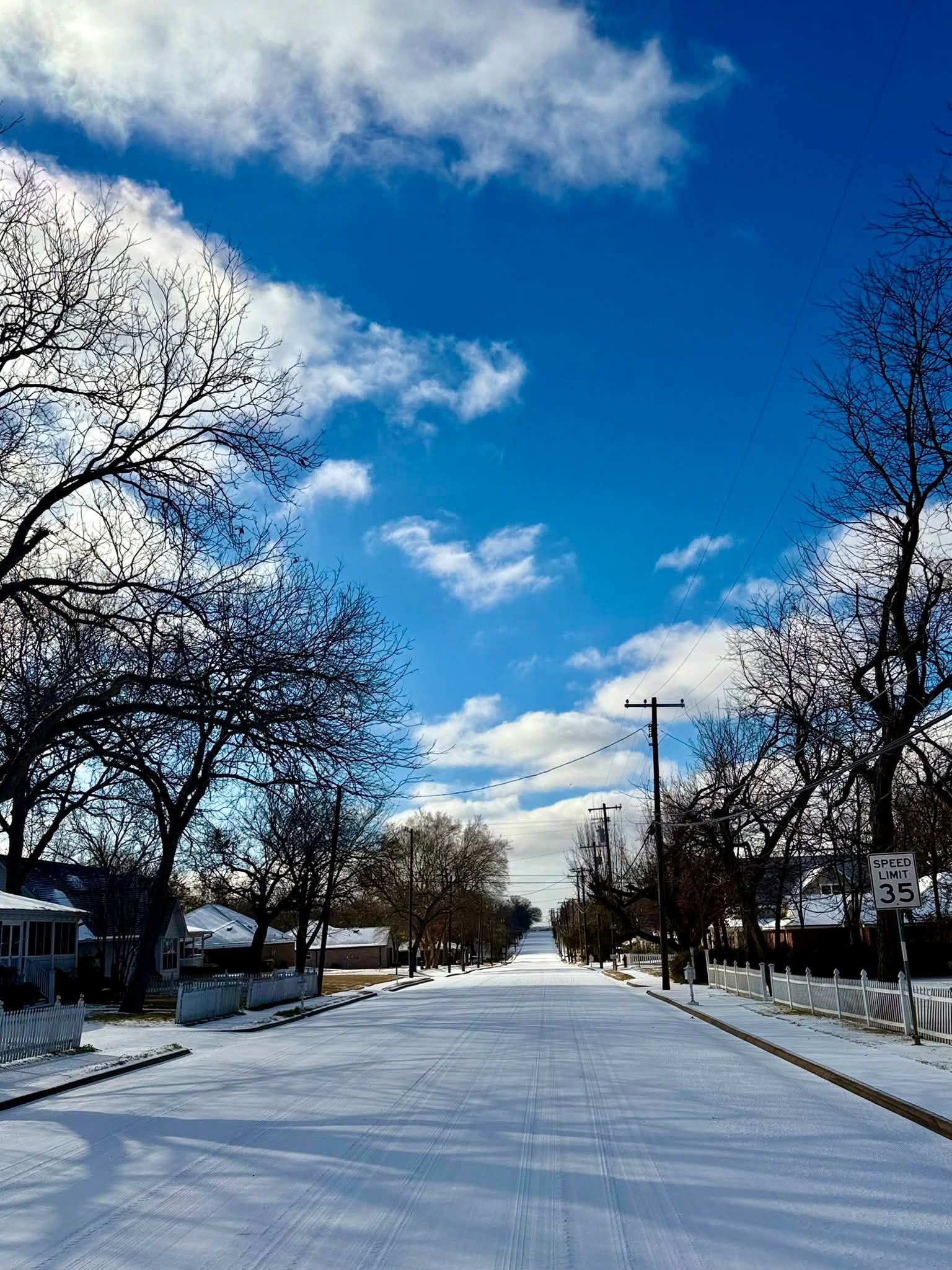
Nature does not fight winter.
Trees don’t cling desperately to leaves that no longer serve them. Animals don’t shame themselves for hibernating. The earth rests—quietly, purposefully—trusting that growth will return.
Winter exists for a reason.
It is a season of:
* **Rest**
* **Reflection**
* **Conservation of energy**
* **Invisible preparation**
Beneath frozen ground, roots are strengthening. Seeds are waiting. Nothing looks productive on the surface, but essential work is happening out of sight.
Humans are part of nature, even if modern life tries to convince us otherwise. When winter asks us to slow down, it isn’t punishing us—it’s inviting us to listen.
Lessons We Can Carry Forward
Winter reminds us that:
* Rest is not laziness
* Stillness has value
* Darkness does not mean permanence
* Growth does not always look loud or visible
It teaches patience. It teaches compassion—for ourselves and others. It teaches that survival itself is enough some days.
And perhaps most importantly, winter teaches us that **every season passes**. The light does return. The days lengthen. Energy slowly resurfaces. What felt unbearable becomes survivable—and then softer.
A Gentle Closing Thought
If winter is hard for you, you are not broken.
You are responding exactly as a sensitive, thoughtful human might to a season that asks a lot while giving less light. Honor where you are. Take what you need. Learn from the quiet without judging yourself for it.
Spring will come.
But until then, resting is allowed.
 Mothersense and Miscellaneous